Europe rejects attempts to rewrite continental security architecture after Trump–Kushner intervention
EU officials say talk of a new "security architecture" downplays Russia's responsibility for the invasion of Ukraine and could fracture NATO allies.
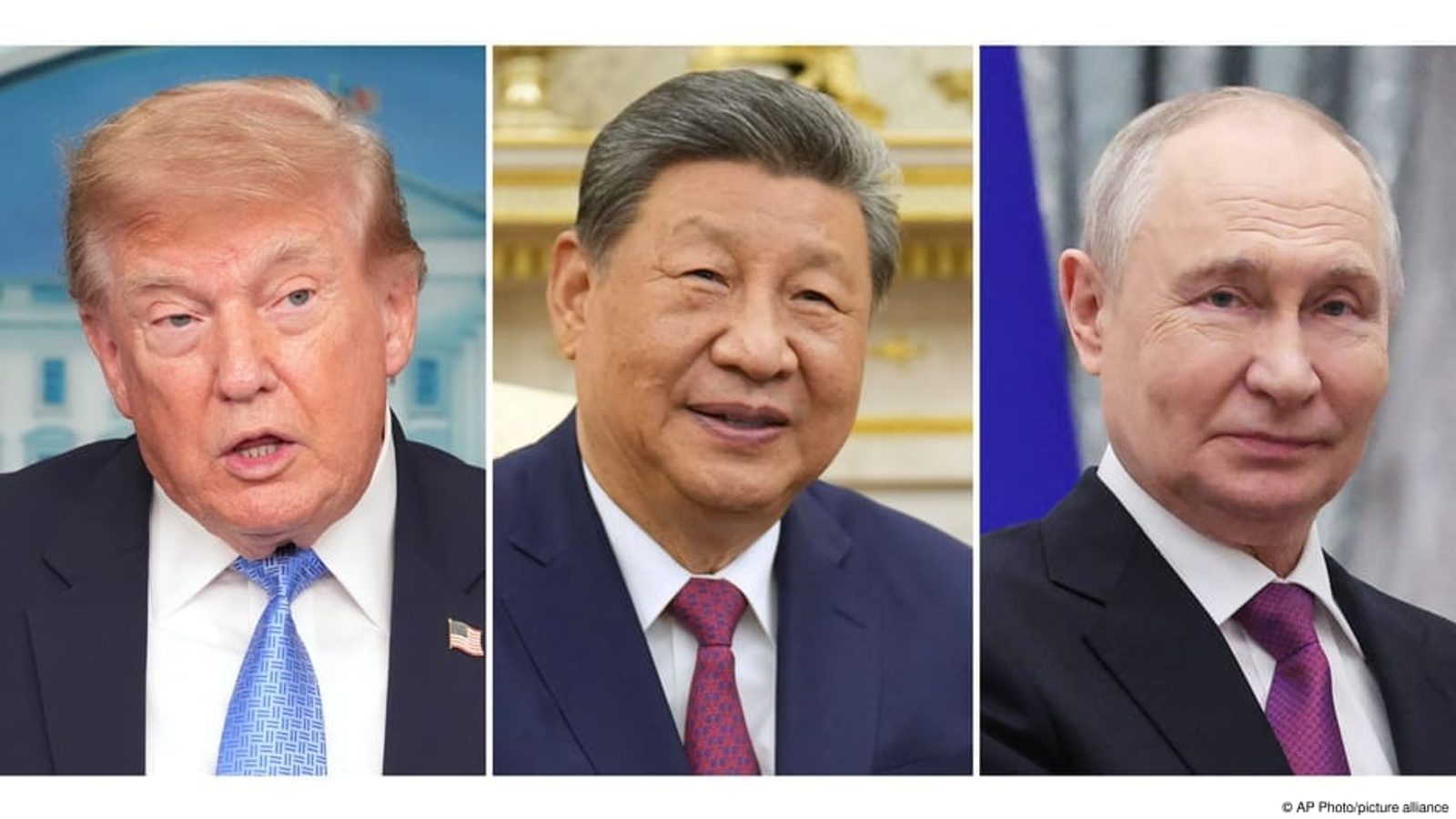
European capitals reacted sharply after comments from US President Donald Trump and a follow-up message by his envoy Jared Kushner that put the idea of a new "security architecture" for the continent back at the centre of diplomacy. European officials say the phrase risks minimising Russia’s responsibility for the invasion of Ukraine and could be used to shift attention toward broader, Kremlin-favoured questions about who gets a say over European security.
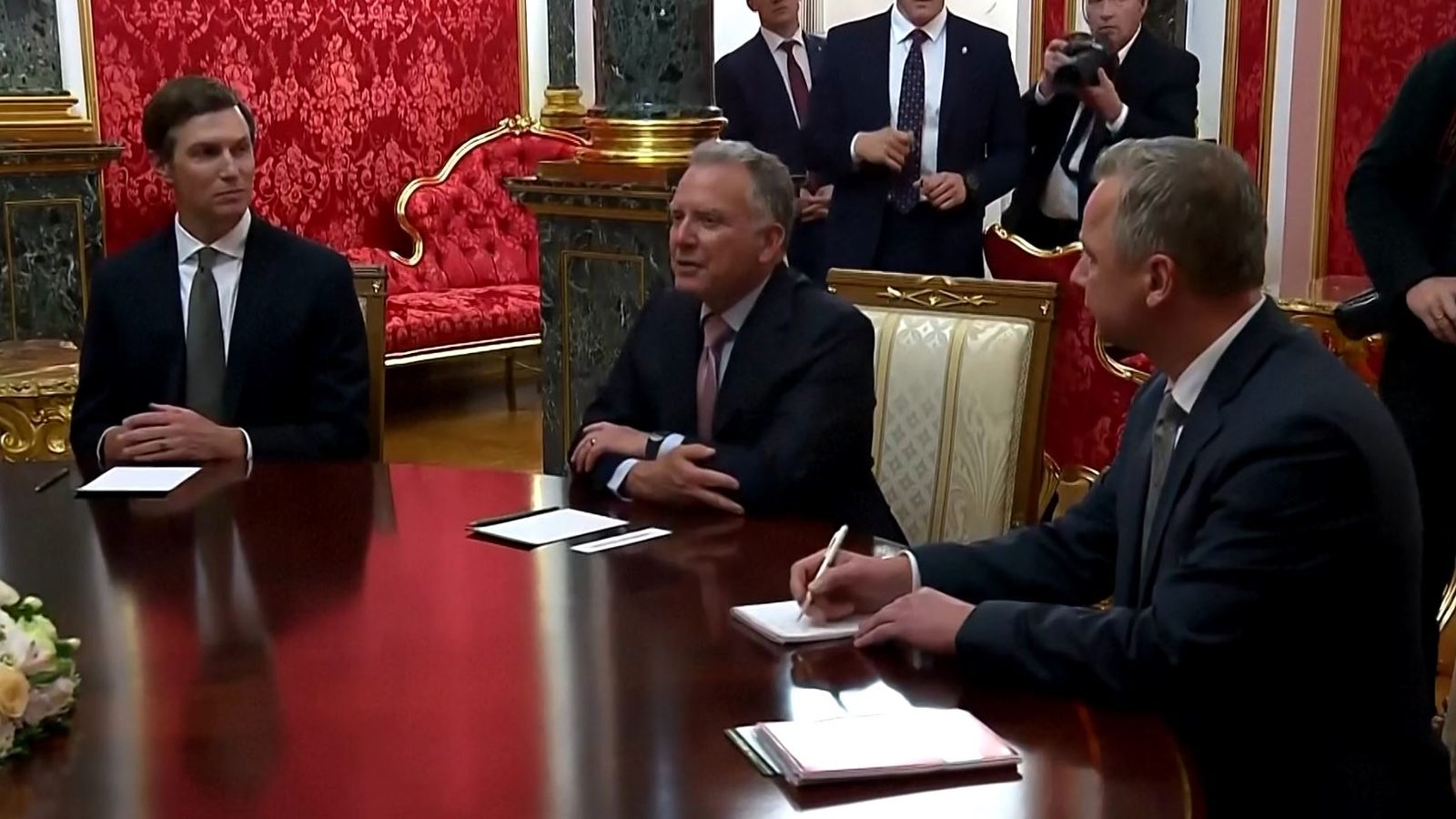
Trump floated a "very big, magnificent deal" that "could cover all of Europe," and Kushner published a longer post outlining principles to build a "stable and more predictable security environment" across the continent. Kushner argued that the problems stem from "decades of distrust" and competing interests between Europe and Russia, writing that "For more than 30 years Europe and Russia have tried to establish a sustainable security framework."
European officials insist the framework already exists
Many European leaders pushed back, insisting there is an established architecture — and arguing that Moscow, not Brussels, violated it. "The European security architecture already exists. The only country breaking it is Russia. Therefore we must secure clear concessions from Russia in talks, otherwise we will continue to see more such attacks," said Kaja Kallas, described in statements at a G7 meeting in Paris as the EU High Representative for Foreign Policy.
Officials point to a series of treaties and agreements that, they say, Russia breached when it launched a full-scale invasion of Ukraine: the Helsinki Final Act (1975), the Paris Charter (1990), the 1994 Budapest Memorandum that forbids the use of force against Ukraine except in self-defence, and the 1997 NATO–Russia Founding Act protecting territorial integrity. Moscow is also accused of war crimes and the crime of aggression, which critics say amount to breaches of international law.
"Europe does not need a new security architecture, as Russia wants to convince us. What is needed is to restore the existing one," said Johann Wadephul, identified as Germany's foreign minister, echoing Kallas's position. European Commission President Ursula von der Leyen warned that meaningful talks on the continent’s security framework should wait until after a ceasefire in Ukraine — and only if Europe has a seat at the negotiating table.
Polish Foreign Minister Radoslaw Sikorski added that "an agreement on the future of Ukraine and Europe, reached behind our backs and without our participation, would not only be unwise. It would, in fact, be impossible." That concern intensified after developments in October when Trump reportedly agreed with Vladimir Putin on a diesel supply deal, eased long-standing sanctions, and publicly attacked Ukrainian President Volodymyr Zelensky — moves that prompted fears in Europe that Washington and Moscow might strike a secret bargain that would force Ukraine to capitulate.
Analysts say the Kremlin has repeatedly raised the issue of wider European security to shift negotiations away from immediate battlefield questions such as a ceasefire and security guarantees for Ukraine. "This is an attempt by the Kremlin and President Trump to bypass NATO and redraw the security architecture of Europe. This rhetoric serves Russia's interests directly," said Judy Dempsey, a senior fellow at Carnegie Europe.
European diplomats worry that including the broader architecture debate in peace talks will slow negotiations, complicate a final settlement and sow discord among NATO allies — outcomes that would benefit Russian objectives. Ahead of a fresh round of talks in Abu Dhabi, the United States and European states issued a joint statement declaring that "a strong NATO will remain a key pillar of collective defence in the Euro‑Atlantic area."
Photo: press material from the event