European ministers at UN warn of rising Russian hybrid attacks but dismiss threat of direct NATO strike
Ministers at the UN describe rising drone, cyber and sabotage incidents across Europe but rule out an imminent conventional assault on NATO.
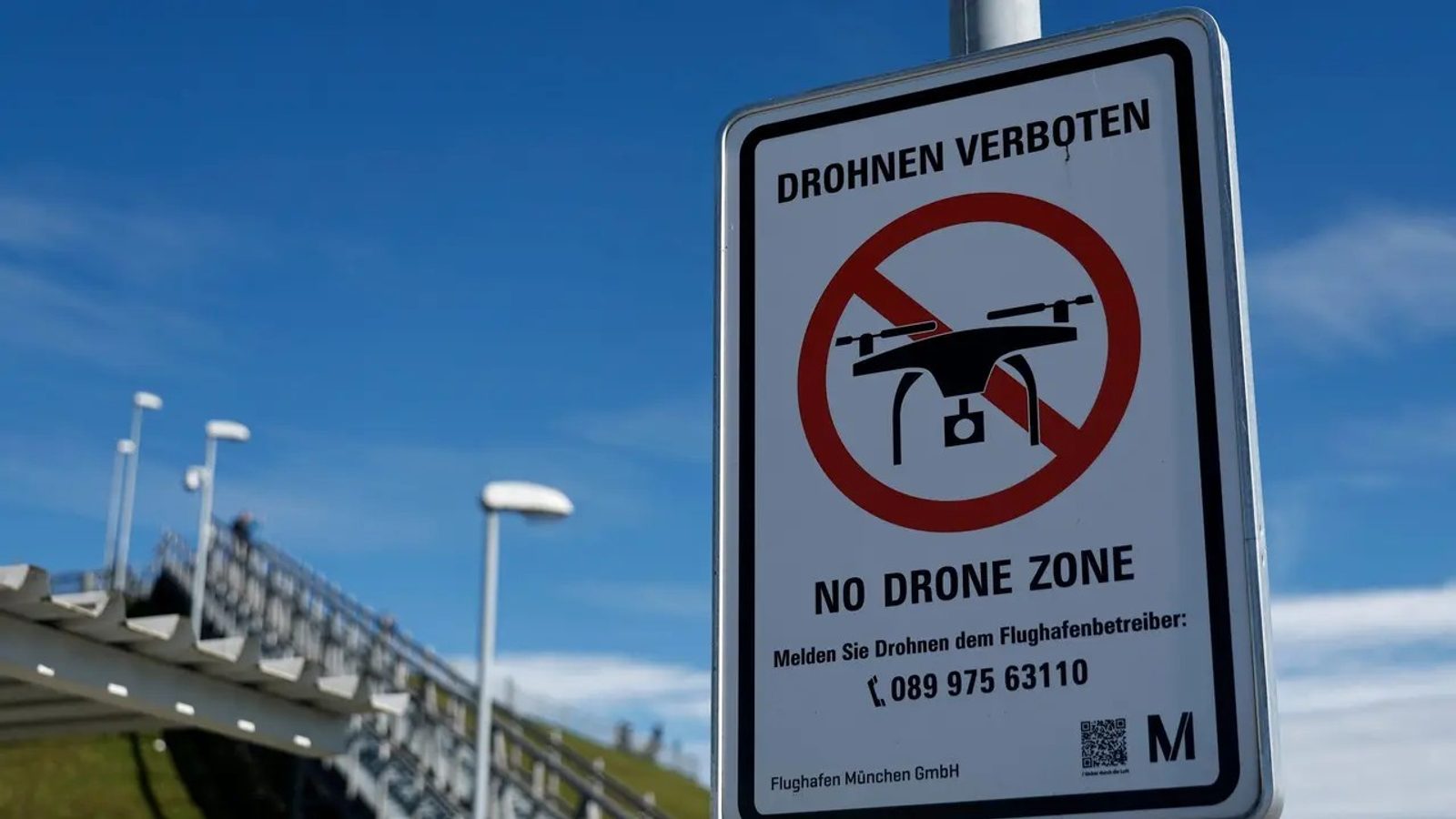
European foreign ministers meeting on the sidelines of the United Nations General Assembly warned that Russia has stepped up a campaign of sabotage, cyberattacks, drone incursions and other covert operations across Europe aimed at weakening support for Ukraine — but said there are no signs Moscow is preparing a direct military strike on NATO territory. ([uk.marketscreener.com](https://uk.marketscreener.com/news/europeans-warn-of-rising-russian-sabotage-but-see-no-imminent-nato-attack-ce785ad9d080f020?utm_source=openai))
Speakers from countries on NATO’s eastern flank described a pattern of deniable and disruptive activity that they say is intended to sow fear, test Western resolve and erode public backing for Kyiv. EU foreign policy chief Kaja Kallas told reporters that the incidents include both sabotage and violations of national airspace. "Europe is facing a rapid spread of sabotage and airspace incursions. Moscow is trying to frighten Europe," she said. ([globalsecurity.orgwww.globalsecurity.org](https://www.globalsecurity.orgwww.globalsecurity.org/military/library/news/2026/09/mil-260902-eeas01.htm?utm_source=openai))
Eastern members name drone strikes, cyberattacks and covert operations
Poland’s foreign minister, Radosław Sikorski, said the attacks have moved beyond threats into concrete actions: "These are not just threats, these are real attacks. Our F‑16s take off almost every day now because of Russian drones and missiles," he said, describing frequent scramble alerts. Officials from Poland’s Operational Command reported that a Russian Mi‑8 military helicopter briefly entered Polish airspace from the Kaliningrad region on Sept. 23. ([uk.marketscreener.com](https://uk.marketscreener.com/news/europeans-warn-of-rising-russian-sabotage-but-see-no-imminent-nato-attack-ce785ad9d080f020?utm_source=openai))
Romanian foreign minister Oana Țoiu said Bucharest has documented numerous drone incidents and pieces of drone debris on its territory after Russia intensified strikes near the Danube and the Black Sea, noting that Romania had recorded more than 100 incursions or fragments linked to drone activity. Her remarks underline concerns about how the war is spilling over into neighbouring countries. ([transcripts.cnn.com](https://transcripts.cnn.com/show/tbwjs/date/2026-08-20/segment/01?utm_source=openai))
At the same time, ministers drew a distinction between those covert, hybrid campaigns and the prospect of an open, conventional attack on NATO. Estonia’s Margus Tsahkna warned against alarmist predictions of an imminent assault, saying Moscow’s aim appears to be to create fear and division rather than to mount a broad offensive against NATO members: "The campaign by Moscow is primarily designed to create fear and division in Western societies. We do not see Russia as capable or preparing for some kind of active military aggression against NATO or European countries," he said. ([internazionale.it](https://www.internazionale.it/ultime-notizie-reuters/2026/09/23/russian-military-helicopter-entered-polish-airspace-briefly-polish-army-says?utm_source=openai))
Ministers called for strengthened detection, tougher enforcement of sanctions and closer cooperation on air‑defence and cyber defences to blunt the hybrid campaign and protect European infrastructure and public confidence. They said sustaining political unity and support for Ukraine remains central to countering Moscow’s strategy of escalation below the threshold of open war.
Photo: Geti)