European governments urge citizens to keep 72‑hour emergency supplies
National campaigns across Europe recommend households keep food, water and medicines to be self-sufficient for at least 72 hours.
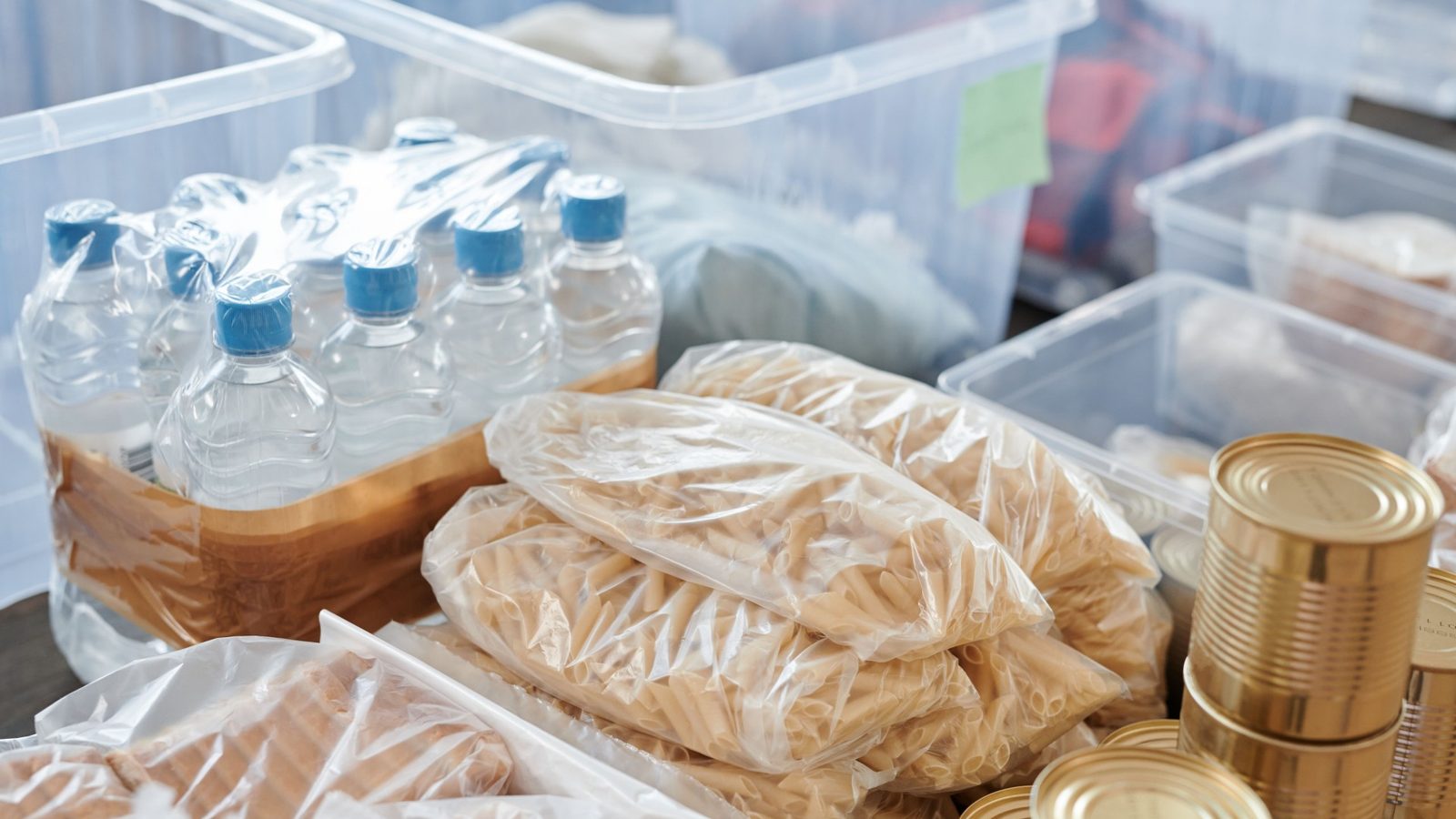
Several European governments are urging households to assemble emergency stocks of food, water, medicine and other essentials so they can be self-sufficient for at least 72 hours in the event of a crisis. Authorities say the guidance forms part of broader preparations for natural disasters, cyberattacks, interruptions to power and water supplies, and security risks tied to armed conflicts.
National campaigns and concrete advice
The topic regained attention in late October after a series of new national campaigns and public advisories. The United Kingdom launched a three-year national campaign called "Be Prepared" on 22 October, asking households to keep supplies for at least three days. The UK guidance lists long-life food, drinking water, medicines, battery lamps, a radio and cash as items to have on hand should power and communications be disrupted.
French authorities are also advising citizens to assemble an emergency kit to allow independent functioning for the first 72 hours. French recommendations include six litres of water per person, tinned food, necessary medicines, batteries, a radio and copies of important documents.
Luxembourg presented a national survival manual on 9 October and began distributing around 300,000 copies to households from 14 October. Belgium’s National Crisis Centre published a practical preparedness guide on 1 October. The Netherlands started a new phase of its emergency-preparedness campaign on 12 October; published data indicate that more than four in ten citizens have already taken measures to be able to withstand 72 hours without power, water or internet.
Similar guidance already exists in Germany, Poland, Finland, Sweden and Norway. Poland and Finland recommend keeping household reserves for at least three days. Sweden and Norway advise being prepared for one week. Germany recommends reserves sufficient for ten days.
These national measures build on a European Commission strategy from March 2025 that foresees EU citizens being able to meet basic needs independently for at least 72 hours in a serious crisis. European institutions warn that geopolitical tensions, armed conflicts, cyber threats and climate change increase the need for improved preparedness.
Officials emphasise that while many countries are intensifying preparedness campaigns, the recommendations cover a range of possible crisis scenarios and are not in themselves a signal of an imminent military or other specific danger.
Photo: press material from the event