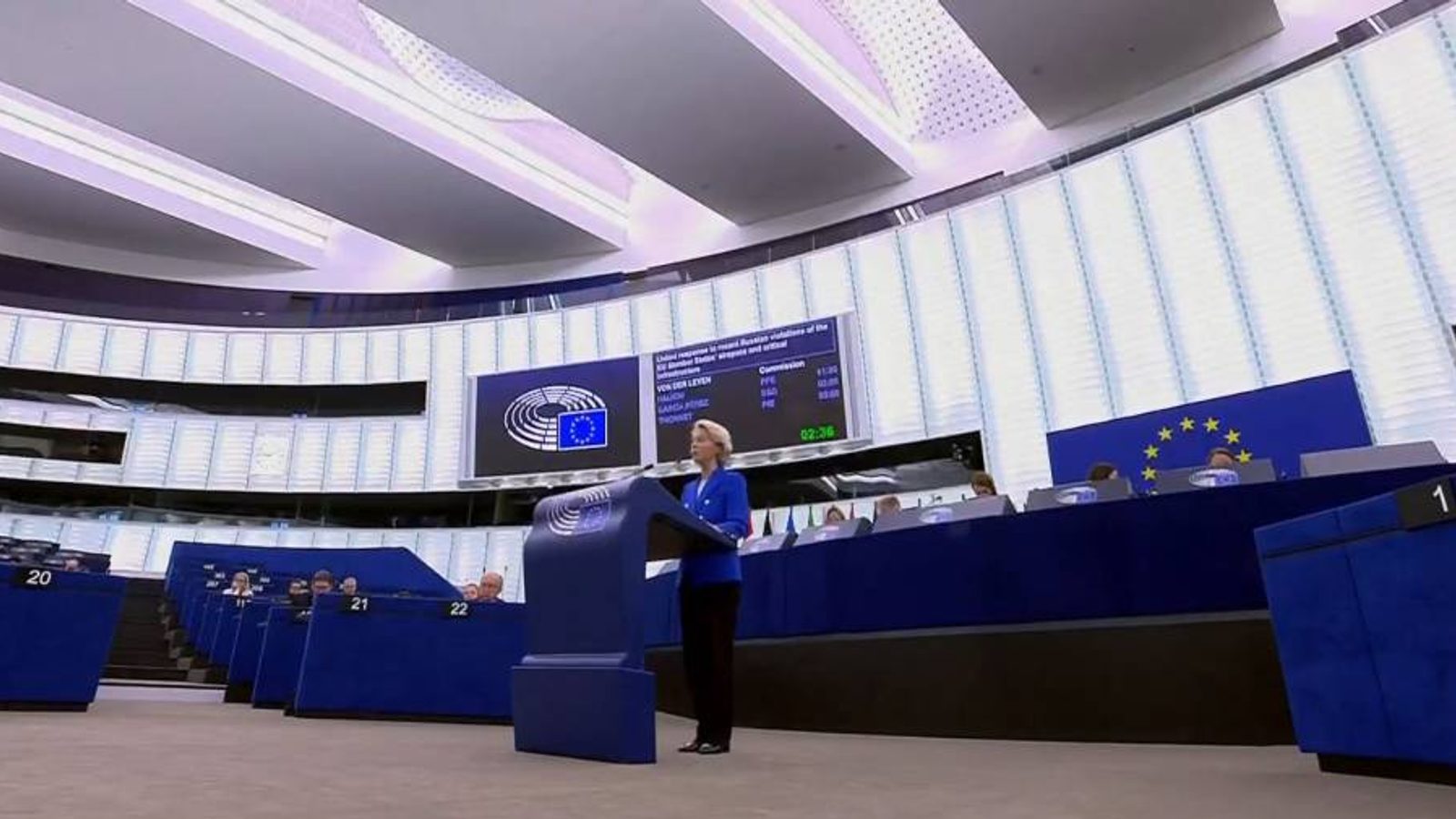
Von der Leyen says reviving Europe’s economy is the Commission’s top priority
At the Strasbourg session the Commission president called for faster permits, less red tape and a doubled electricity share by 2040 to cut fossil‑fuel import costs.
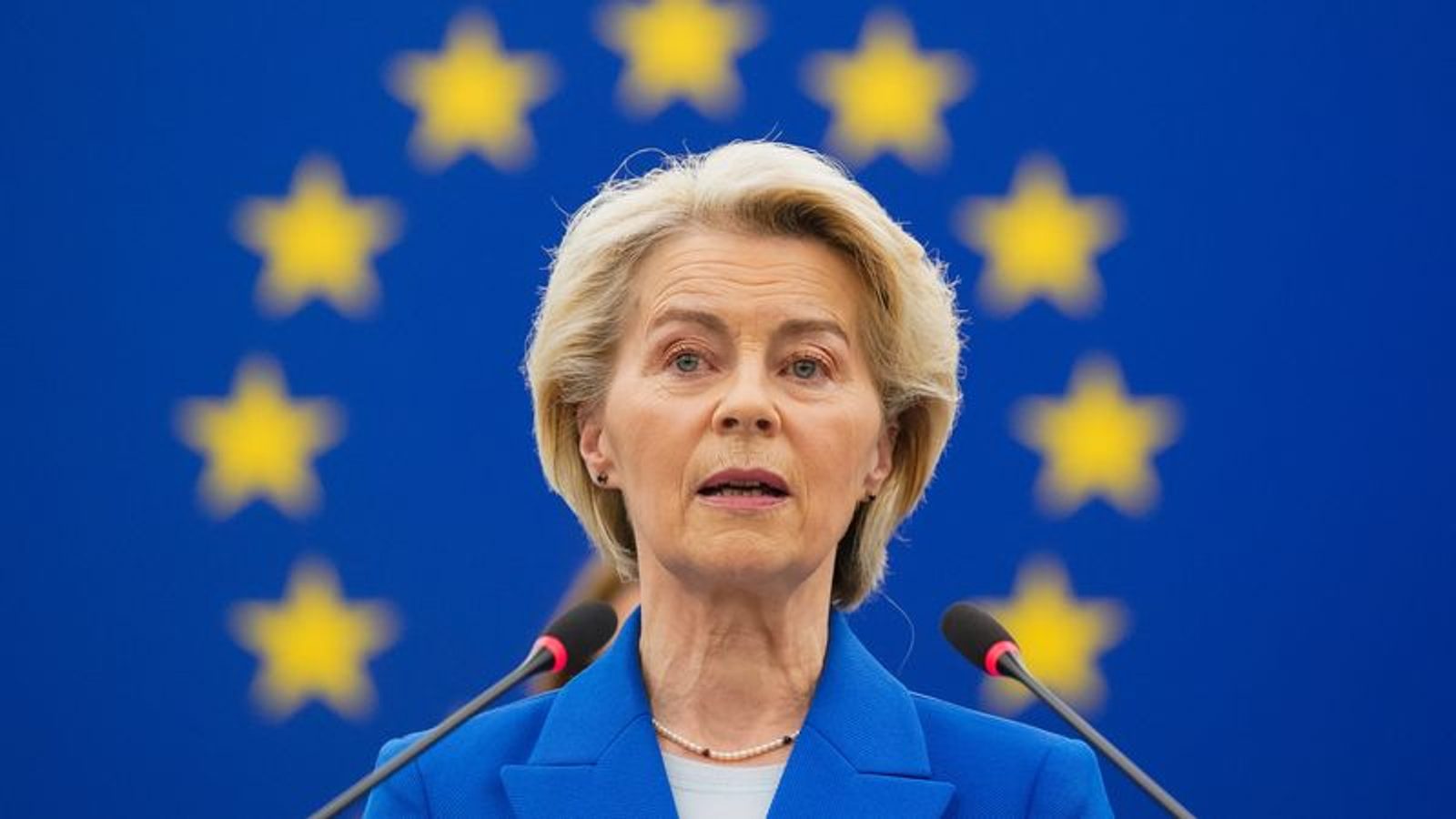
Ursula von der Leyen said reviving the European economy is the European Commission’s highest priority as she opened the Parliamentary session in Strasbourg.
At the opening of the session, von der Leyen noted that Europe’s economy has proven more resilient than expected to the shocks coming from conflicts in the Middle East, and that unemployment stands at nearly record lows. She warned, however, that higher energy prices and rising borrowing costs are hurting both households and businesses.
Measures to speed permits and cut red tape
“We will need to make a clear choice on fiscal policy to ensure sustainability while protecting investment. That is why reviving the European economy is our top priority,” she said, calling for a balance between fiscal responsibility and support for growth and investment.
Von der Leyen argued that the European Union already possesses a huge market, world-class industry and services, a large pool of savings and one of the leading global currencies. “When we took office we introduced a bold plan — to build an economy where innovation and energy flow across borders. Where companies compete and scale across Europe, and savings finance our future,” she added, describing the Commission’s long-term vision.
She announced proposals to speed up permit procedures and to accelerate projects that are of strategic European interest, while cutting administrative burdens that slow down firms, especially small and medium-sized enterprises. “Where projects are of strategic interest to Europe, we must massively accelerate them. And where administrative burdens slow down businesses and SMEs, we must reduce them too,” she said.
Turning to energy, von der Leyen said the EU has diversified its reserves and invested in domestic sources — renewables and nuclear — after Russia cut gas supplies. She also pointed to new disruptions such as a closure of the Strait of Hormuz and underlined the economic cost of fossil-fuel dependence: since the start of the conflict, fossil-fuel imports have cost the EU an additional 90 billion euros.
To reduce that vulnerability, she urged a stronger push for clean domestic energy and electrification. “For this independence, we must electrify Europe and double the share of electricity by 2040, which would reduce Europe’s fossil-fuel import bill by 260 billion euros a year,” von der Leyen said.
Photo: press material from the event