France: Hundreds of thousands march for higher pay and higher minimum wage
Hundreds of thousands marched on 6 November 2026; the government calls a social conference for Monday, 9 November 2026.
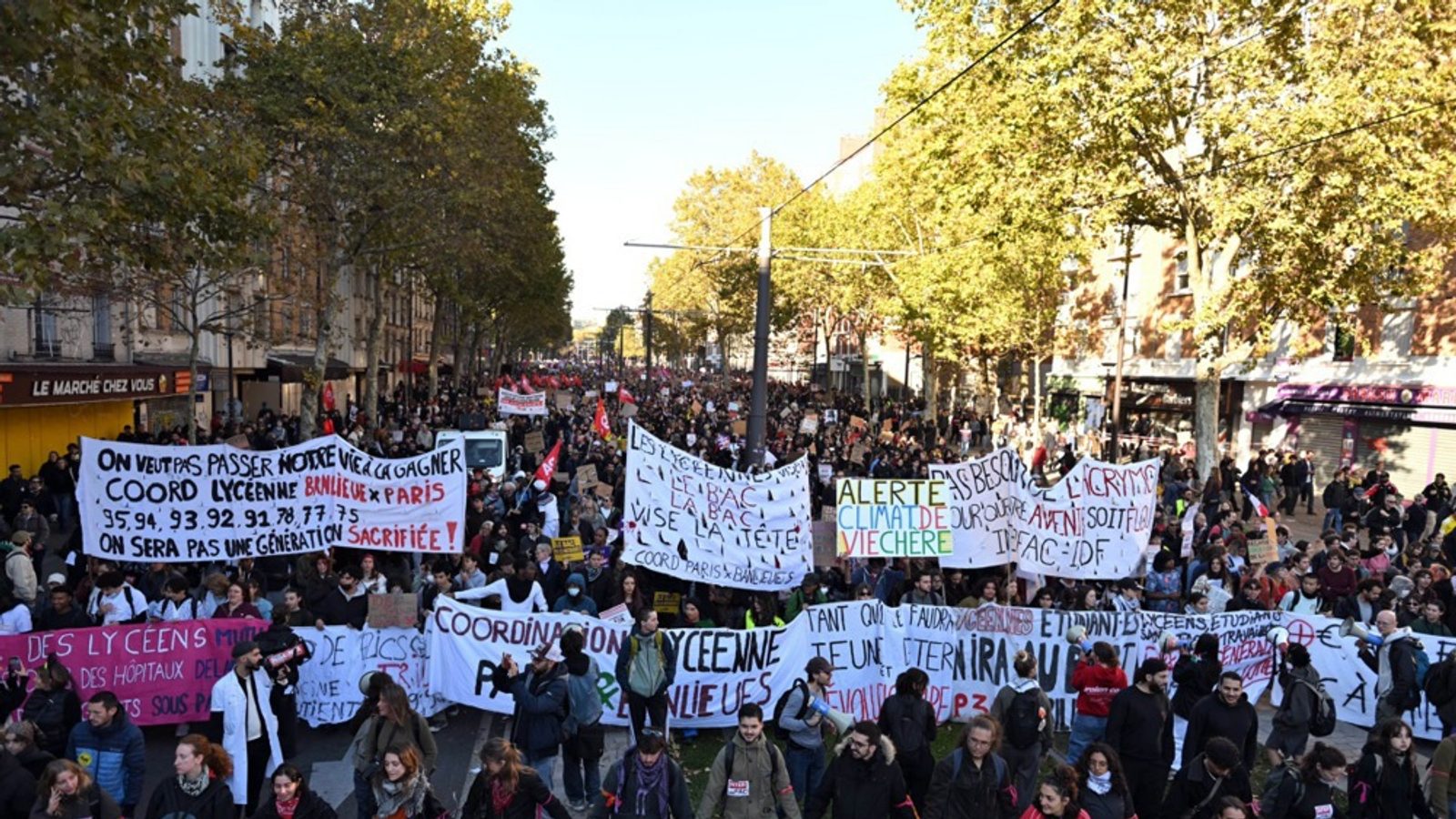
Hundreds of thousands of people took to the streets across France on 6 November 2026 demanding higher wages and an increase to the minimum wage, while clashes and arson marred parts of the demonstrations.
The Interior Ministry reported 575,000 participants in largely peaceful marches, while the CGT union put the figure at nearly 1.6 million — either way the largest mobilization so far this autumn. Demonstrations were held in cities including Rennes, Marseille, Nantes, Lyon, Bordeaux, Strasbourg and Paris.
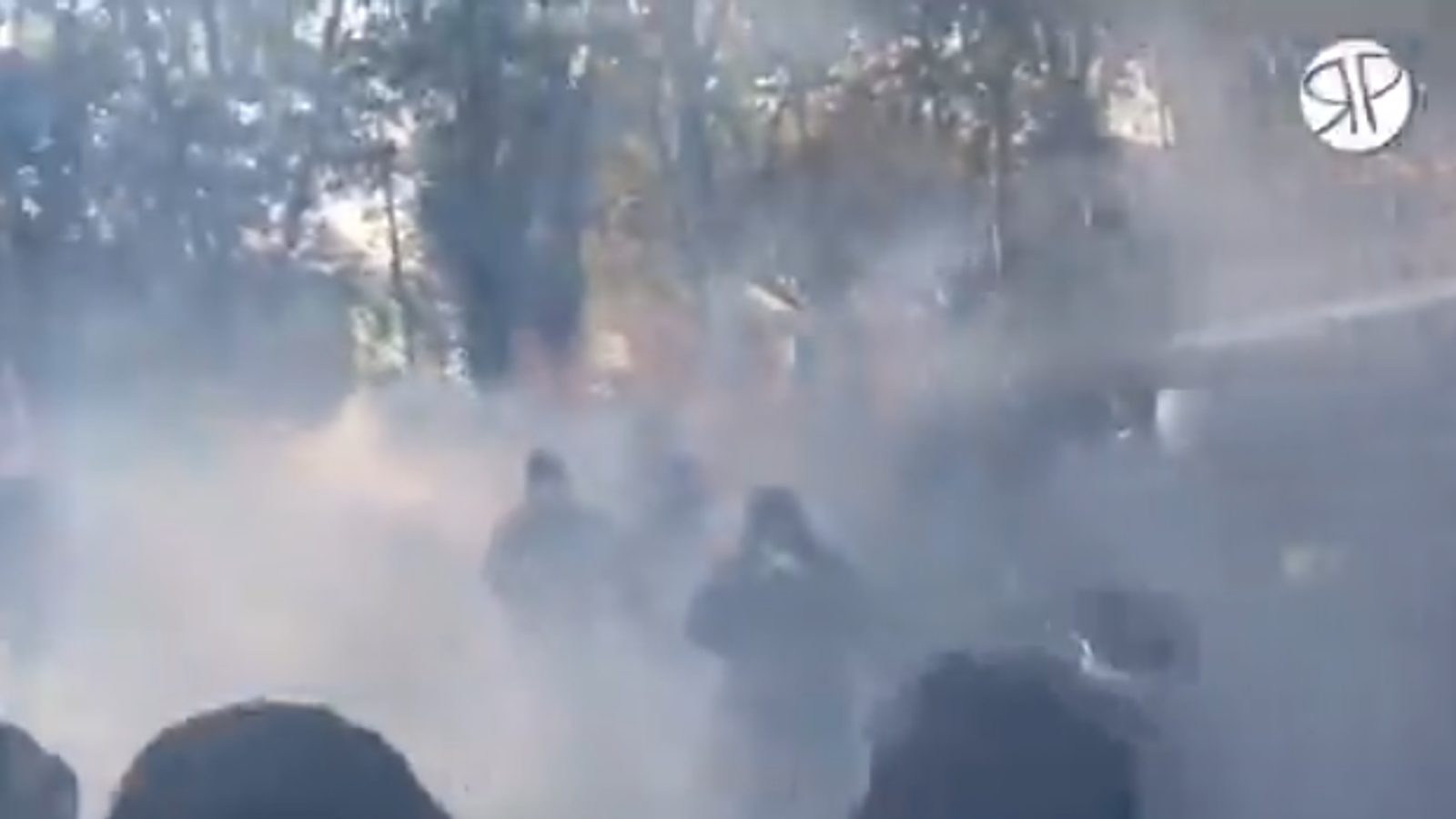
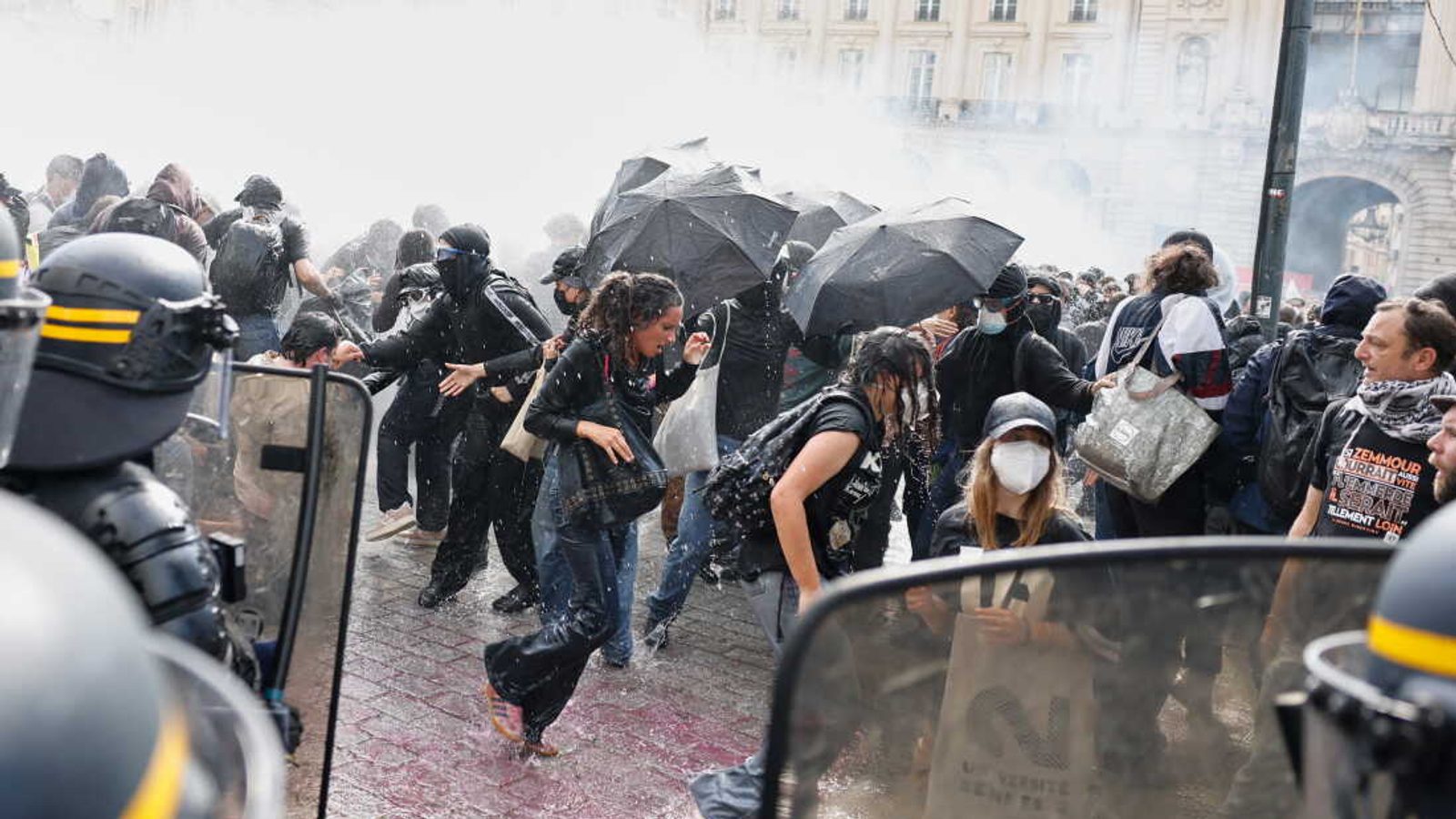
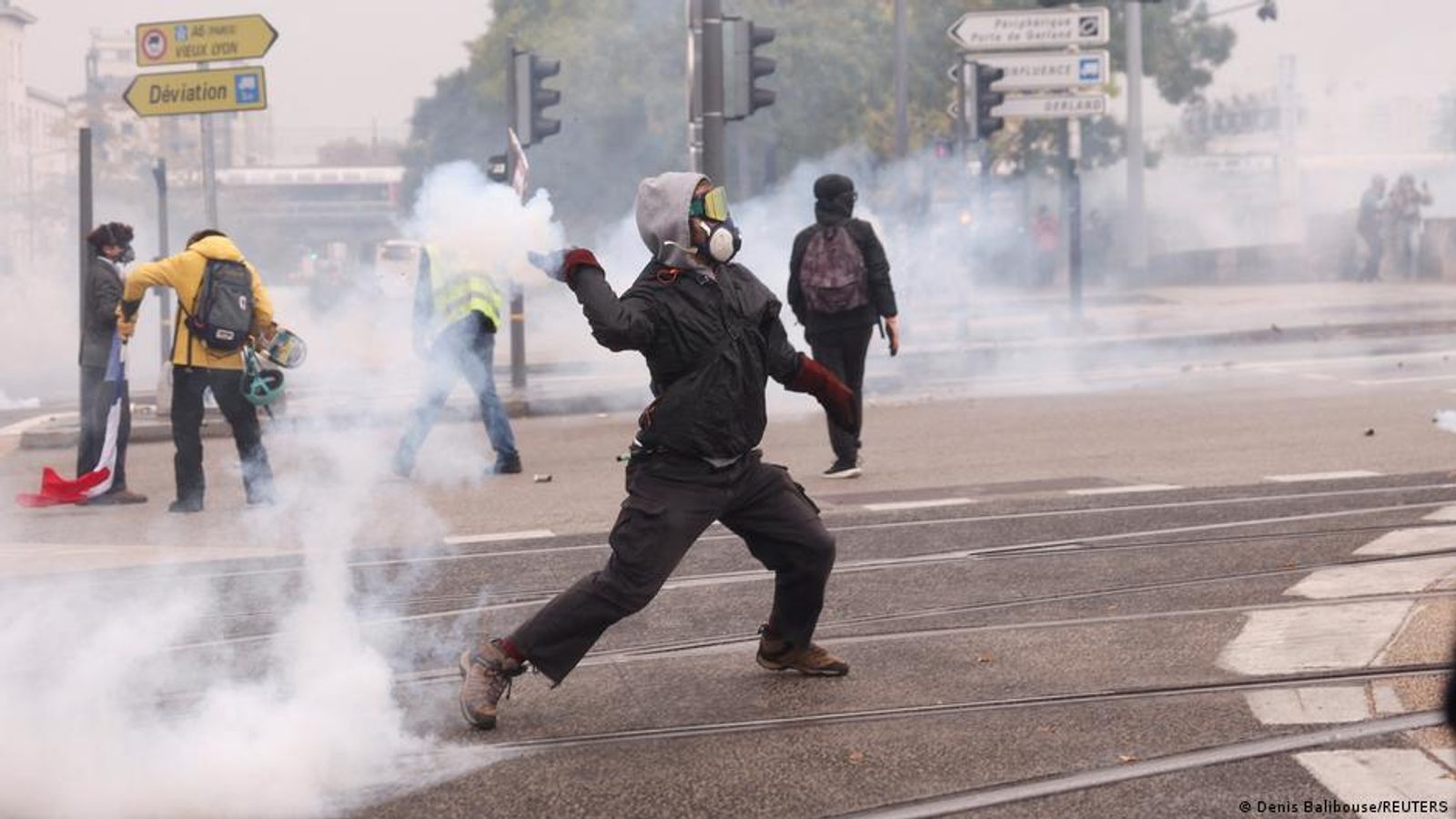
Violent incidents accompanied some of the protests: groups of several hundred radical activists and left-wing extremists reportedly hurled objects and pyrotechnics at police and tried to break away from march columns to push into city centres, authorities said. The initial nationwide tally listed 448 arrests, 53 injured police officers and 86 cases of arson.
Schools attacked, unions push on
There were attacks on schools during the day. In the Paris suburb La Courneuve a young man stabbed a pupil involved in a school blockade. In Toulouse vandals broke into a school, set fires, destroyed classrooms and damaged computers; in Cannes two high schools were badly damaged. In Lille the entrance of a secondary school was set alight and the building evacuated.
The unions signalled they will continue the pressure. "The struggle will continue for as long as necessary for the government and employers to be forced to give in," they said in the evening. "The mobilisation of citizens will continue until the demands related to wages, public services, study conditions and social protection are met."
Marylise Léon, president of the CFDT, called on television for a €100 net monthly increase to the minimum wage. CGT general secretary Sophie Binet welcomed the government’s announcement that the minimum wage will be raised in addition to the increase already planned for January 2027, but said a further rise of 0.5–0.6 percent would be insufficient. "France is the European country where the minimum wage has grown the least over the past ten years. In the meantime we have become a low-pay country," she said.
Prime Minister Sébastien Lecornu announced a social conference with worker and employer representatives to be held on Monday, 9 November 2026 to seek solutions on purchasing power and wages. The minister of labour was ordered to complete consultations by Sunday, 8 November 2026, while the minister for public finances will continue talks with public sector representatives.
The unions’ call for a general strike had limited immediate impact, mostly affecting public-sector workers. Some teaching staff struck, a number of post offices remained closed and regional rail services were disrupted. The mobilisation follows weeks of social unrest in which students, school movements and the Yellow Vest movement objected to rising living costs, police violence and conditions in schools. Unions in red vests are attempting to link the classical pay demands with that broader movement.
Unions warned of a deep squeeze on incomes: "Workers are experiencing an unprecedented social decline. Fuel, food, rents, gas, electricity... everything is getting more expensive, while wages and pensions are not rising," they said in a joint statement. The report noted that the current gross hourly minimum wage in France is €12.31; in Germany it is €13.90 and will be €14.60 from January. A worker on the French minimum paid for 35 hours a week receives about €1,867 gross per month, compared with roughly €2,343 gross in Germany.
Photo: press material from the event