Friedrich Merz defends 2027 budget amid record debt and soaring defence costs
Chancellor Merz argues the package reflects geopolitical and demographic pressures, while opposition brands it a 'debt orgy'.
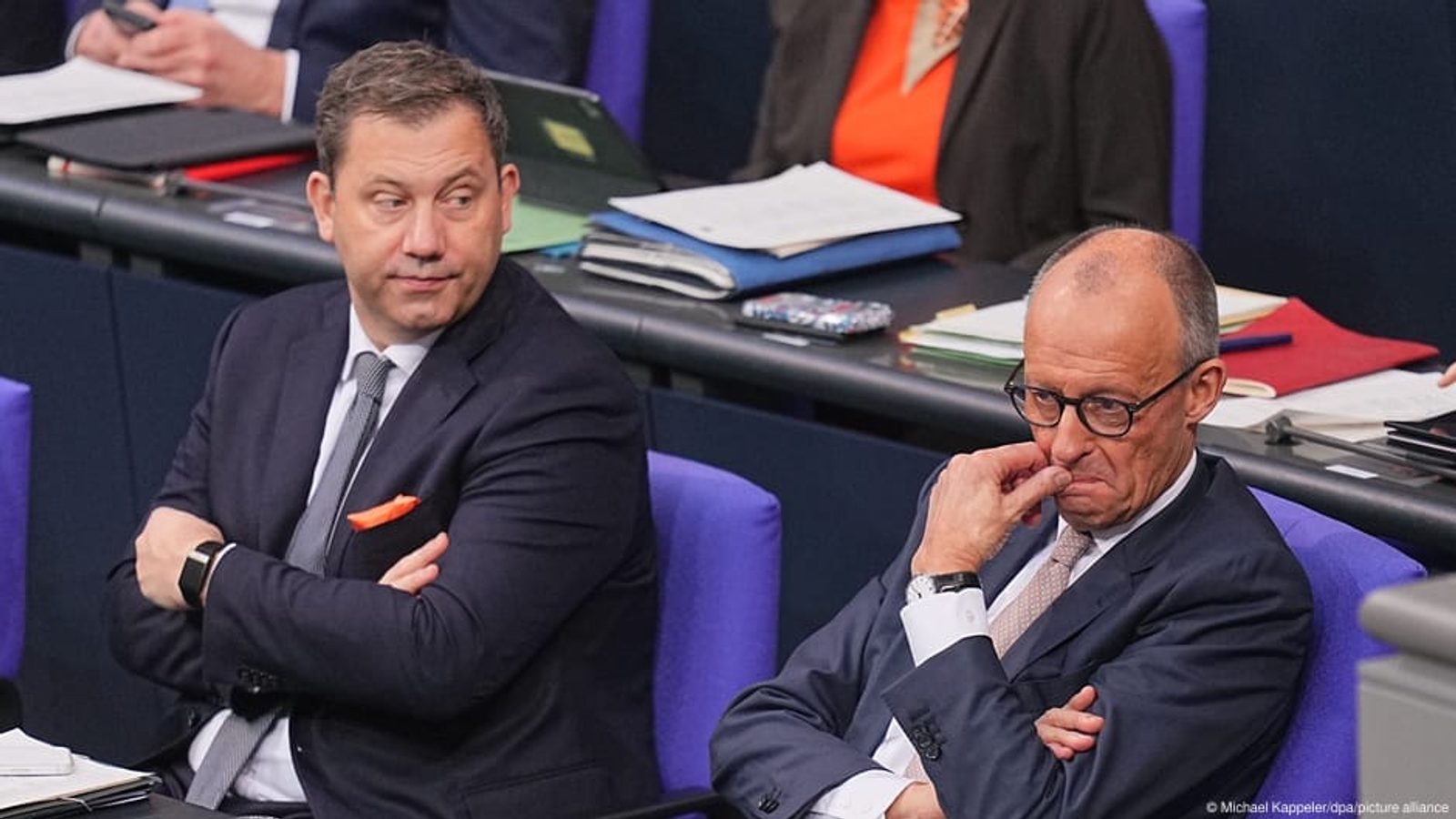
The German coalition government faced a fierce Bundestag debate over the 2027 federal budget after figures showed record spending and unprecedented new borrowing. Chancellor Friedrich Merz defended the package on Wednesday (25 November), warning that Germany’s geopolitical, technological and demographic challenges are reflected in the plan.
The proposed 2027 budget foresees total expenditures just under 561 billion euros and requires fresh borrowing of 210 billion euros because tax receipts fall far short of covering planned outlays. Defence spending rises sharply: 109 billion euros are allocated in the regular defence budget, and together with the multi-year special fund financed by debt the total defence-related spending reaches 139 billion euros.
Defence surge and political fallout
Opposition parties seized on those numbers. The far-right-leaning Alternative for Germany (AfD) calculated that the government will add 401 thousand euros of new debt per minute next year and denounced the package as a "debt orgy," with AfD co-leader Tino Chrupalla saying Merz will "go down in history as the chancellor under whom Germany went bankrupt." The Left and AfD criticised the budget as prioritising rearmament while social spending would face cuts.
Merz, who campaigned on fiscal consolidation, told the Bundestag that the budget is a realistic response to mounting pressures. "As a country geopolitically, technologically and demographically we are in a difficult situation, and next year's budget is a faithful reflection of that," he said. He added: "If we do not change course, we will reach a point at which all federal revenues will be spent on social expenditures, interest payments and defence." He also warned that Russia is escalating tensions across regions and that Germany must "set clear limits for Russia, in the double sense of the word."
Critics from the Greens called the plan "irresponsible," while Green parliamentary leader Britta Haßelmann condemned the AfD's stance on Ukraine as shameful and stressed that support for Ukraine is tied to European and German security. AfD also lambasted victory payments to Ukraine and called the temporary cut in electricity tax insignificant for households.
Rising pension and healthcare costs add to the strain. Pension expenditures and demographic shifts are a central challenge: in 2025 pensions totalled 420 billion euros, with the federal government contributing 127 billion euros. The government aims to save three billion euros in the pension area by 2027, a move that could push up contribution rates split between workers and employers.
Within the coalition, CDU-led calls to reinstate fiscal restraint clash with SPD proposals to increase federal revenues. SPD parliamentary leader Matthias Miersch urged higher taxation on large fortunes and greater inheritance taxation, arguing that "great fortunes" and inheritances should carry a larger share of public costs to avoid deep cuts to social spending. The budget debate underscored growing tensions inside the government over how to reconcile security spending, fiscal rules and the welfare state.
Photo: press material from the event