Gen Z Decides and students stage new protests across Germany
Gen Z Decides and student groups held rallies on 20 November 2026 across German cities, pressing for schools funding, social fairness and stronger climate measures.
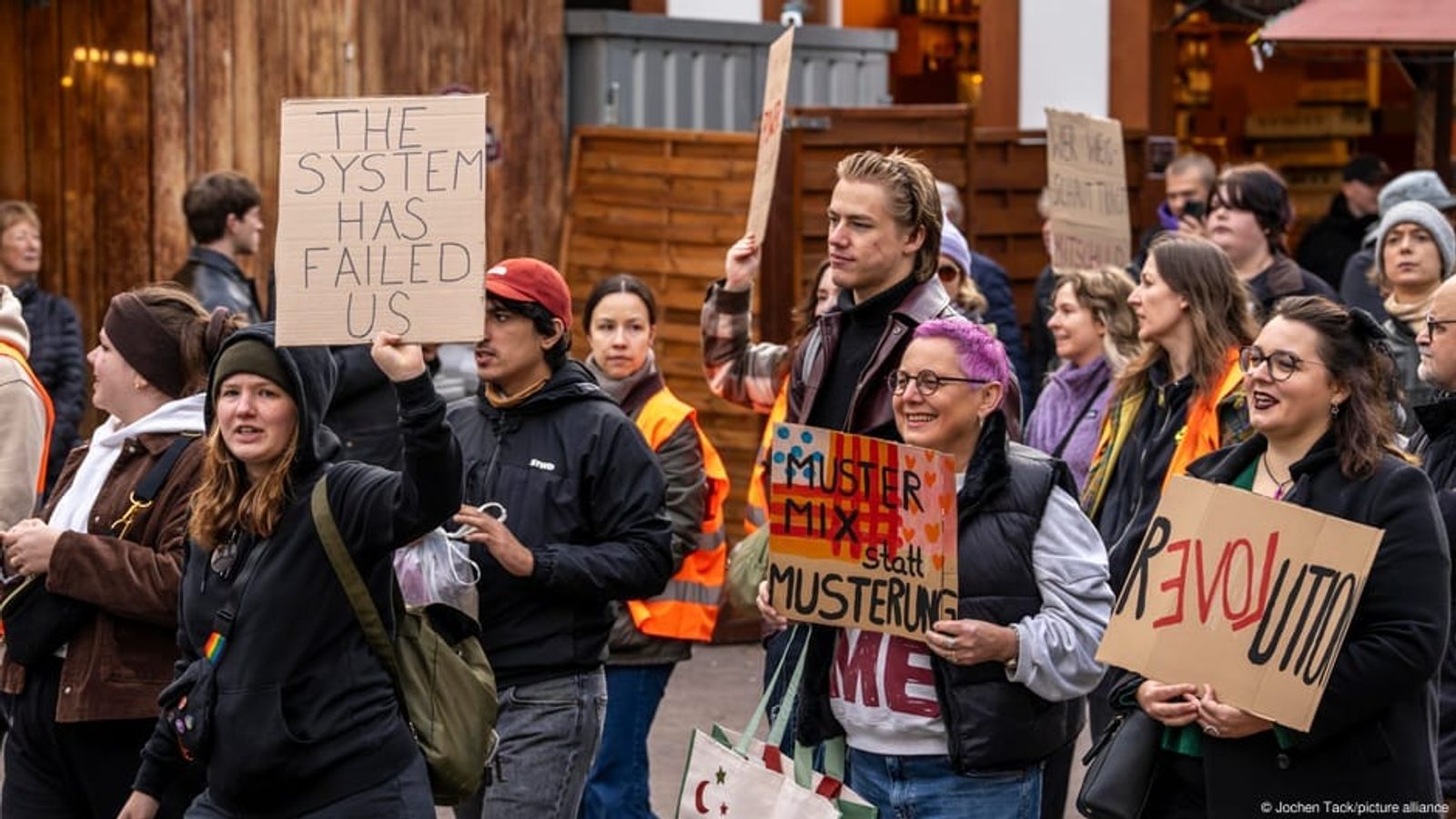
On 20 November 2026 new demonstrations took place across Germany as the youth network Gen Z Decides and several allied groups renewed calls for more funding for education, fairer social policies and stronger climate measures. The renewed mobilisation follows large street actions at the end of October.
Organisers planned major rallies in Berlin, Cologne, Frankfurt am Main and Munich; the Berlin demonstration began at 11:30 on Alexanderplatz. Around 50 additional cities were due to host protests by other initiatives that said they had joined the call from Gen Z Decides, including Hamburg, Hanover, Leipzig and Stuttgart. By Thursday midday about 20,000 people had confirmed attendance — markedly fewer than the roughly 120,000 who took to the streets three weeks earlier, when young people made up the bulk of participants.
Who is marching and where
The Federal Conference of Students (BKS) announced its own large rally in Berlin together with Fridays For Future and the Federal Parents’ Council. That assembly was scheduled to begin at 14:30 in front of the Brandenburg Gate. Organisers framed the educational protest around a single premise: “Our future is not negotiable. Education is our future.”
Gen Z Decides set out six key demands for the day. Instead of budget cuts, the movement calls for higher investment in schools, more funds for addiction support and psychotherapy programmes, and measures to secure an “affordable standard of living”, insisting that citizens’ concerns must sit “at the very top of the political agenda.” The group also opposes a return to mandatory military service and urges stronger protection of fundamental rights, while demanding “consistent protection of the climate immediately, so that we have a future.”
Gen Z Decides describes itself as an independent, non‑partisan and informal network of young people fighting “for our youth and for our future.” The name refers to Generation Z, commonly used for those born between 1995 and 2010. The initiative cites youth protests in France and other European countries as examples it follows.
Not all youth organisations are united behind a single coalition. The BKS had distanced itself from Gen Z Decides ahead of the 31 October demonstrations, citing fears of violent unrest like that seen in France — concerns that Gen Z Decides rejects. The BKS remains more narrowly focused on education policy, even though its call also includes stronger climate measures and a clear stance against right‑wing extremism.
Support for Gen Z Decides came from some political quarters: The Left party voiced backing, and the leader of the Greens, Franciska Brantner, publicly backed the BKS call, while other Green members and supporters backed Gen Z Decides.
Organisers repeatedly emphasised their commitment to peaceful protest. “Our protest is peaceful, without any exceptions,” the movement said. Still, authorities warned that violent groups could try to exploit demonstrations again; after disturbances on the margins of the October rallies — which were mostly caused by other actors — police presence is expected to be bolstered, particularly in larger cities.
Photo: press material from the event