Gen Z protests spread across Europe; student movement in Serbia brings electoral defeat for Aleksandar Vučić
From Paris to Belgrade young people demand better education, work and housing—student-led unrest in Serbia produced a political turning point.
Thousands of young people from Paris suburbs to Belgrade have taken to the streets as a generation-wide wave of protest—driven by education failures, high living costs, corruption and a feeling of no future—sweeps across Europe.
Student-led unrest turns political in Serbia
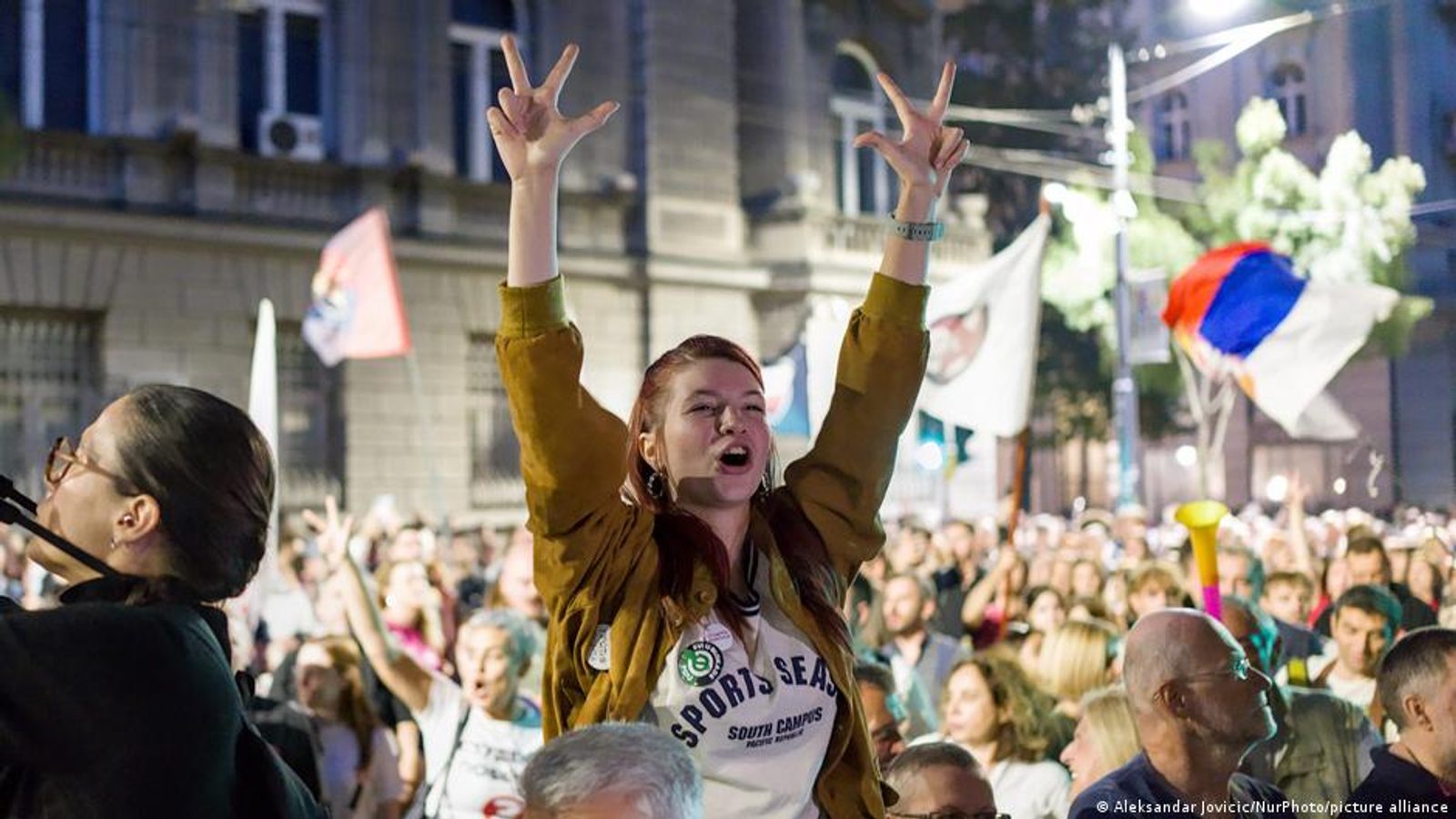
In Serbia the student movement produced a decisive political outcome: the long-standing leader Aleksandar Vučić suffered an electoral setback after nearly two years of demonstrations directed at perceived corruption and rising authoritarianism. The protests were a visible culmination of broader discontent among those born roughly between 1997 and 2012.
Young demonstrators voice overlapping demands: better schools, more job opportunities, affordable housing and a say in decisions that shape their future. Maja Gurdell, a 19-year-old student in Brussels, painted the mood with a slogan taken from popular culture: "If we burn, you will burn too!"
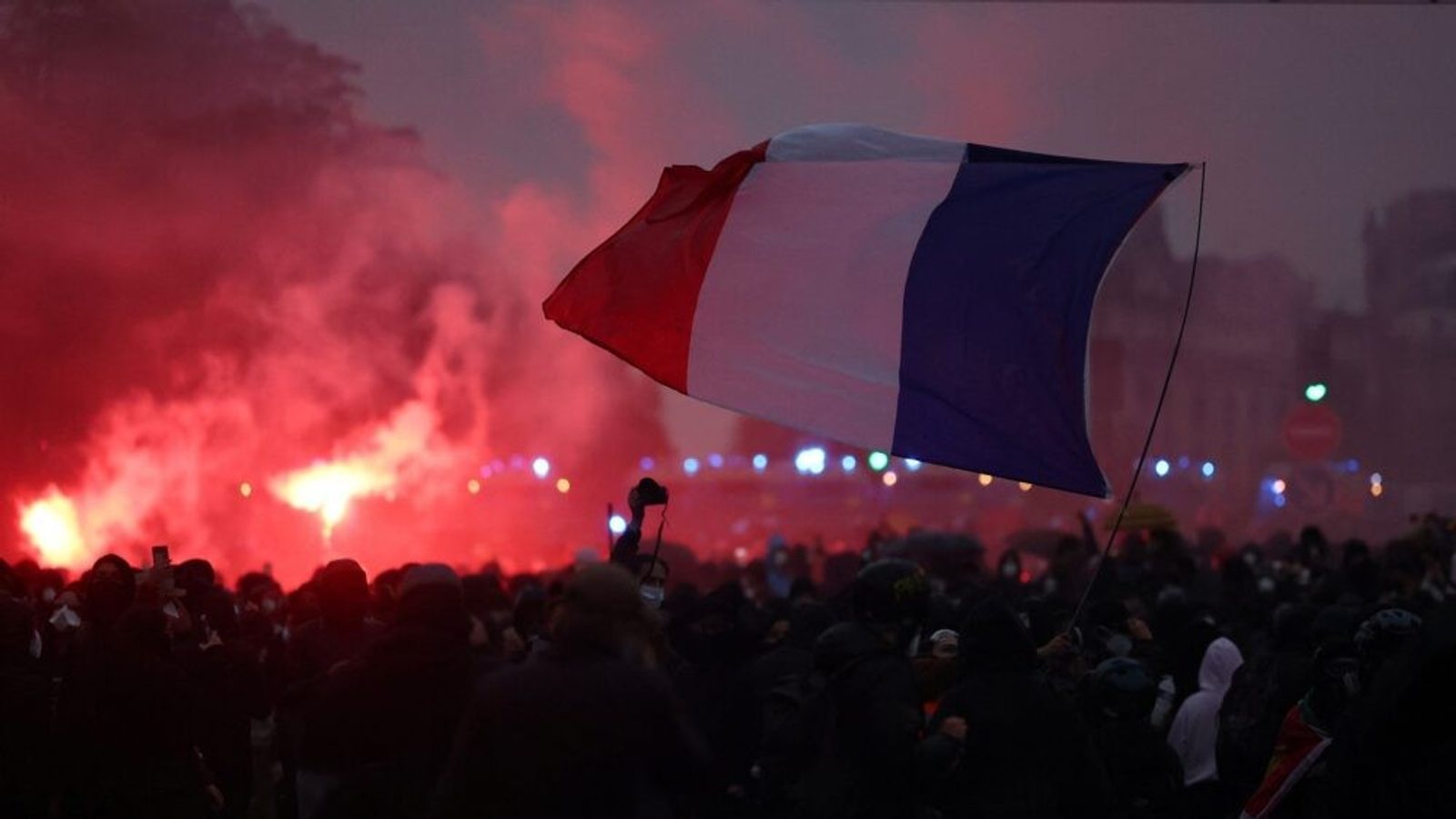
Protests have not been uniformly peaceful. In France recent weeks saw thousands of shops damaged or looted and police using stun grenades and water cannon. In cities such as Milan and Brussels students and pupils have complained about crumbling school buildings and teacher shortages, fears that translate into bleak job prospects and expensive housing outside their hometowns.
Research and official data underline the scale of the problem. A 2025 EU survey found that rising prices and the cost of living worry 40 percent of people aged 16–30. In 2025 some 92.7 million people in the EU were at risk of poverty or social exclusion; the highest exposure was among 18–24 year olds (26.3 percent) and the lowest among those aged 65 or over (18.8 percent). Analysts point to intergenerational imbalances in wealth and public spending as a driver of youth anger: in France people over 60 make up a quarter of the population but hold about 60 percent of the wealth.
Voices from the movements capture both anger and a sense of newfound agency. "When we woke up, the first thing we felt was of course relief and freedom," said student Stasha Piletić. "Personally, I feel victory. I feel that we finally moved from protest to accountability." In Paris suburb demonstrations 17-year-old Bilal Nardzisi recalled rats in his school and a roof collapse that forced evacuation: "There used to be rats," he said, adding that the protests show "that young people in Europe are united."
Across the continent protests continue to expand: Germany saw demonstrations over living costs and inequality, and students in Albania staged actions more than 100 days into their campaign against the government. Activists warn the hard part is about to begin—turning street energy into governance—but many participants, like Luka Stojaković, are sceptical of the old political class: "We saw where people with political experience brought us."
Photo: press material from the event