Germany: Property prices rise for seventh quarter, but flats in major cities dip
Prices rose 0.6% year‑on‑year in Q2 2026, yet flats in the seven biggest cities recorded a small decline amid higher mortgage rates.
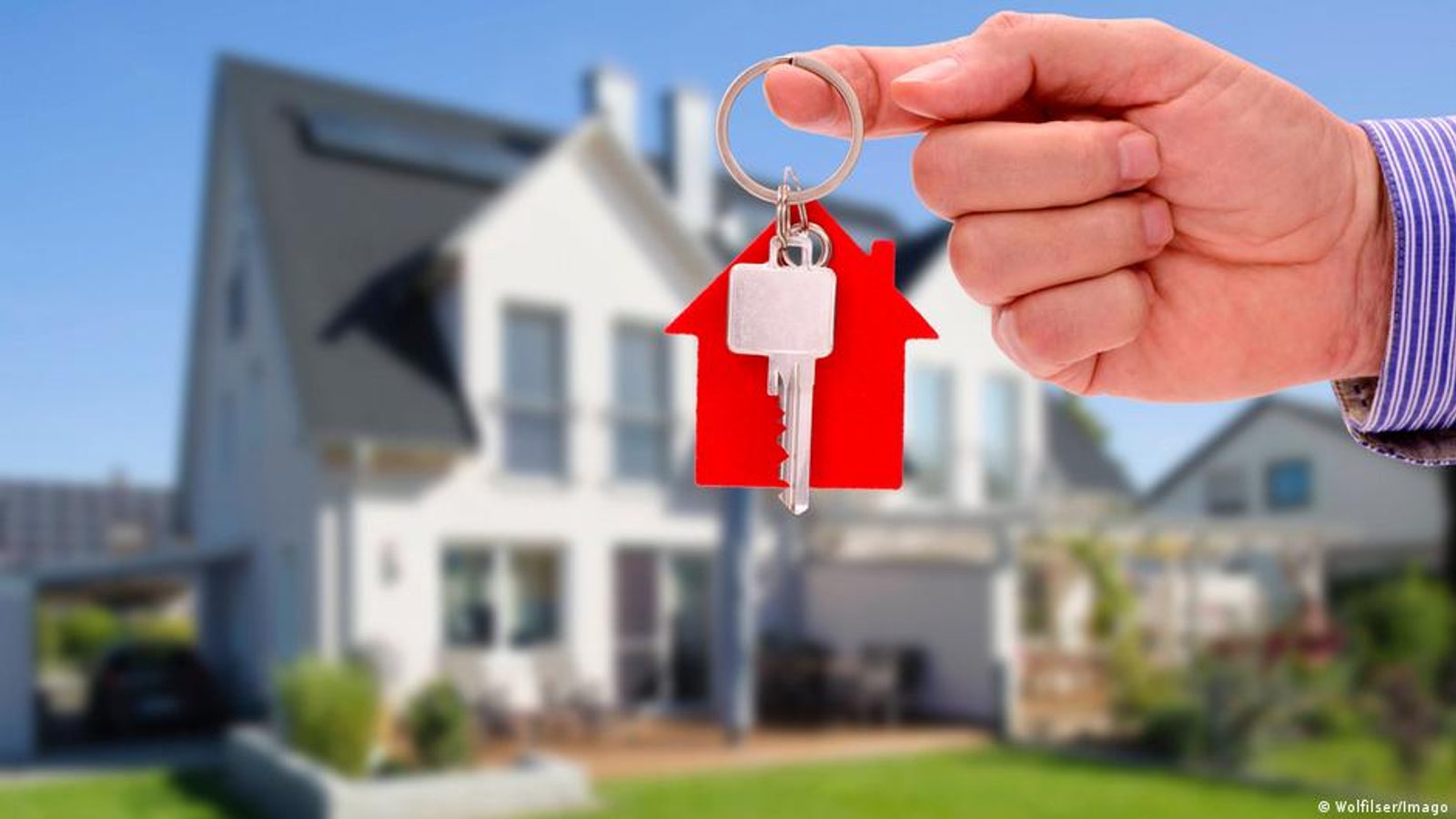
Property prices in Germany continued to rise in the second quarter of 2026, but the pace of growth slowed. Preliminary figures published by the German Federal Statistical Office (Destatis) show that, on average, houses and apartments were 0.6 percent more expensive than a year earlier — the seventh consecutive quarter of annual increases.
Prices slow but remain high in urban cores
Destatis revised its figure for the first quarter of 2026 from 1.4 to 1.2 percent year‑on‑year. Compared with the first quarter of 2026, property prices in spring were 0.3 percent higher.
In the seven largest German cities — Berlin, Hamburg, Munich, Cologne, Frankfurt am Main, Stuttgart and Düsseldorf — prices for flats showed a slight decline. In the second quarter flat prices were 0.4 percent lower than in the same quarter a year earlier and 0.5 percent lower than in the first quarter of 2026, although absolute levels in those metropolitan markets remain relatively high and can easily exceed €10,000 per square metre.
Outside those seven big cities, in larger towns and municipal centres, property prices continued to climb: prices there were up 2.0 percent year‑on‑year and 0.5 percent versus the previous quarter. By contrast, owner‑occupied flats in densely populated rural regions were cheaper than a year before, falling 1.8 percent year‑on‑year and another 1.3 percent compared with the first quarter.
Policymakers in Berlin have made increasing housing supply a priority. The current red‑black German government has signalled plans to accelerate construction through a so‑called “building offensive”, aiming in part to simplify and speed up permitting procedures. The previous SPD‑led government had set a target of building 400,000 homes per year but did not meet that goal; estimates now put Germany’s housing shortfall at around one million apartments.
Analysts point to higher mortgage costs as a key factor slowing price growth: borrowing rates for residential mortgages have recently climbed to more than four percent. At the same time, rising construction costs complicate efforts by both private and professional builders to expand supply.
Photo: press material from the event