Germany plans to widen beverage sugar tax to include nectars, oat drinks and sugar-free sodas
A government outline dated 25 August 2026 shows the planned levy would reach nectars, smoothies, oat drinks and sugar-free soft drinks.
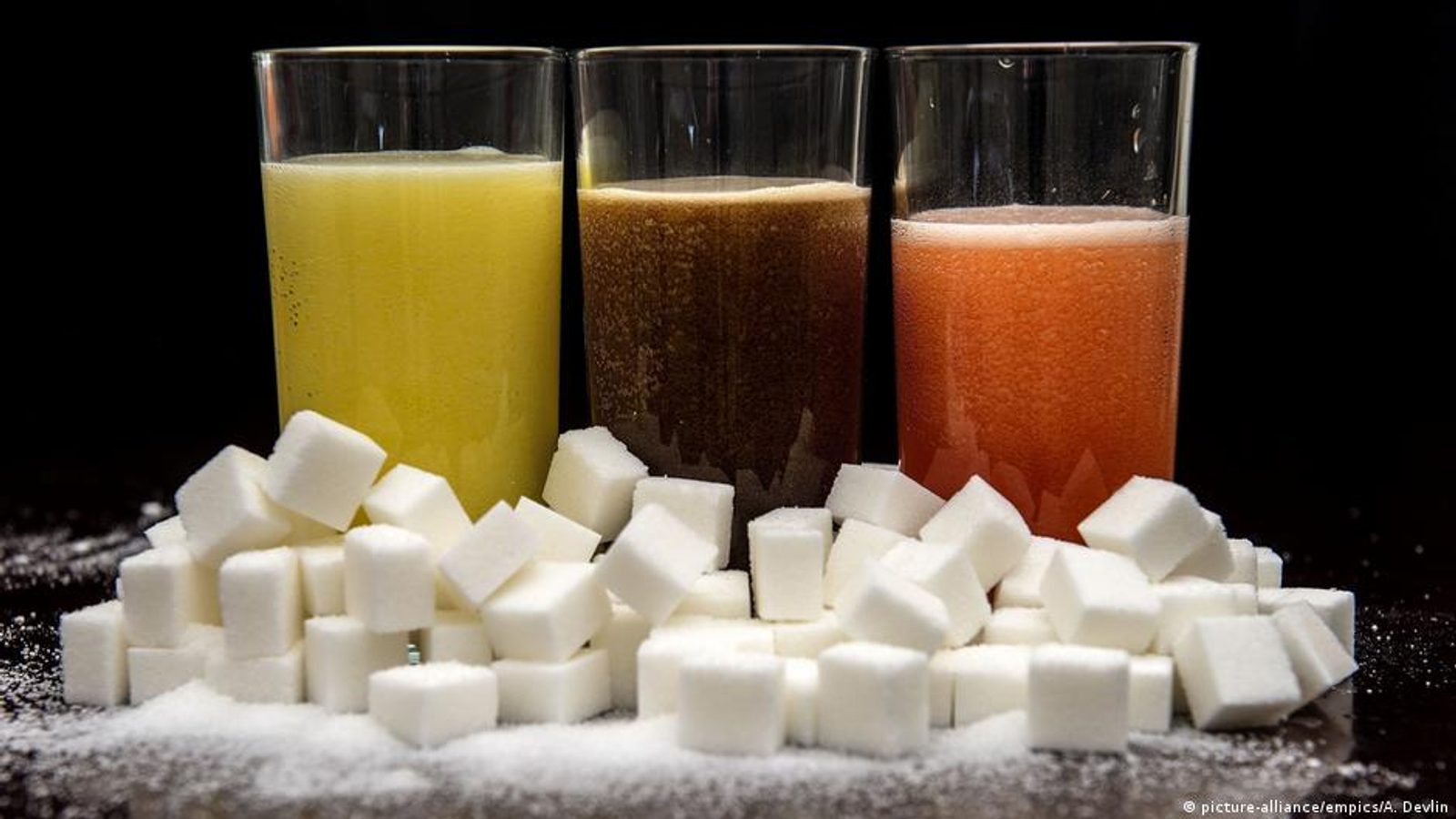
Germany's federal government is preparing to widen a proposed sugar tax so it covers a far broader range of drinks than first expected, including fruit nectars, smoothies, oat-based beverages and even soft drinks that contain only sweeteners, a new government outline shows. The document is dated 25 August 2026.
The draft would tax beverages that contain sugar as well as those sweetened with non-caloric sweeteners. Under the proposal, such drinks would face a levy of €0.26 per litre as a baseline; drinks that actually contain sugar could be charged higher amounts depending on their sugar content. The Finance Ministry has sketched a three-tiered tax scale.
The ministry frames the measure as both health policy and budgetary: it should encourage manufacturers to reduce sugar levels in beverages while generating additional revenue for the federal budget. The government expects the tax to raise about €650 million over the coming year, and the coalition of Christian Democrats and Social Democrats has already agreed in principle to introduce a sugar levy.
Scope and anti-avoidance
To limit loopholes, the Finance Ministry wants a wide taxable base with few exceptions. The outline explicitly mentions including syrups, concentrates and granulates in the tax base so that producers cannot sidestep the charge by selling components instead of finished drinks.
Health and consumer organisations have welcomed the plan, but the proposal has provoked dissent within the Union. The CDU’s general secretary, Carsten Linnemann, will be responsible for winning backing for the initiative inside his parliamentary ranks and for working with the Finance Ministry on the legal details. ([bundestag.de](https://www.bundestag.de/abgeordnete/biografien/L/linnemann_carsten-1048896?utm_source=openai))
Opposition to the outline also comes from the Agriculture Ministry, led by the CSU, which argues the draft would sweep in many more types of beverages than an expert health commission originally recommended.
Photo: press material from the event