Germany closes Russian consulate in Bonn after Leipzig incident
Berlin closed the large Russian Consulate General in Bonn on 1 September after investigators tied a 4 August drone attack attempt near Leipzig to Russia.
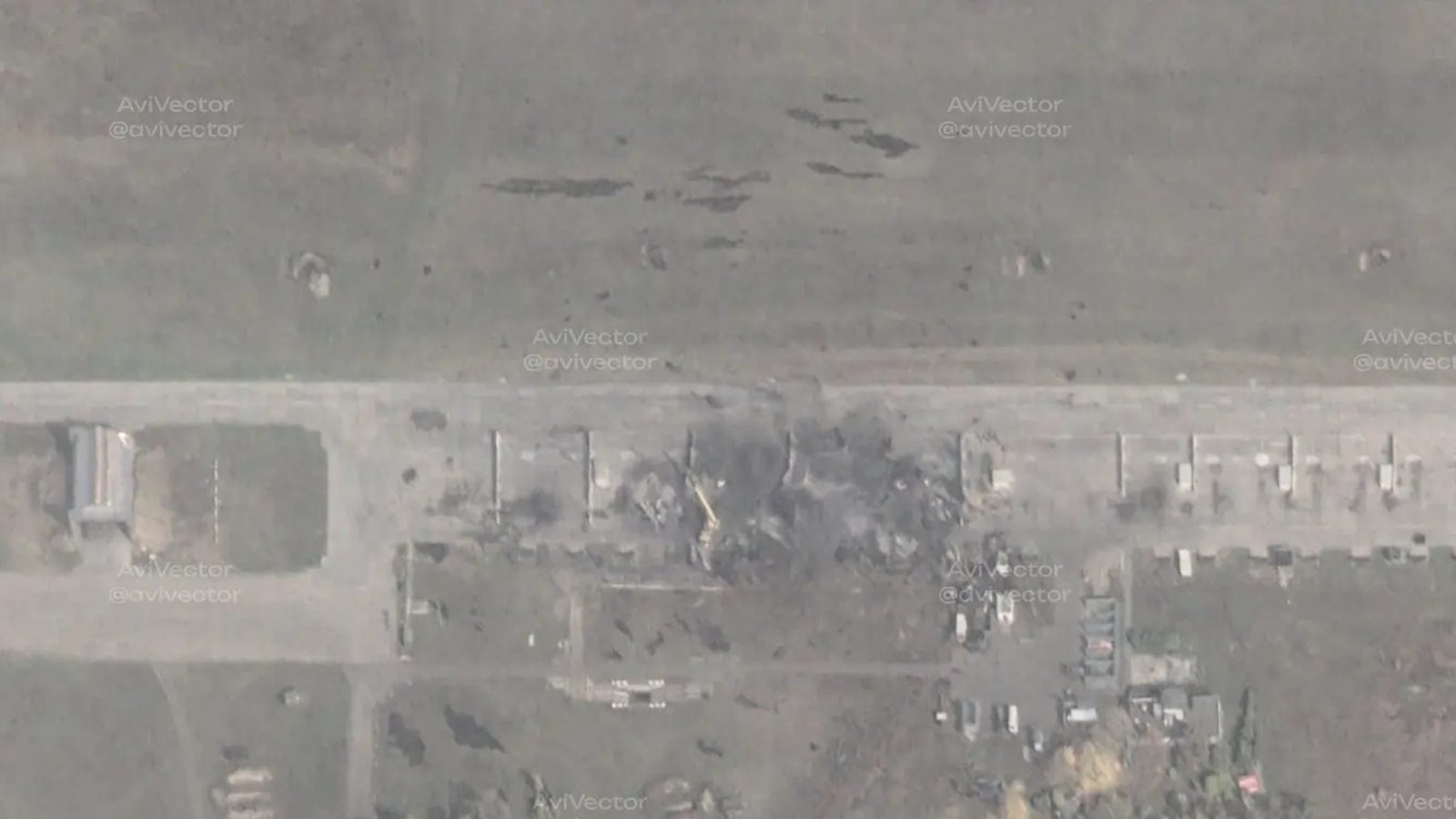
Germany has ordered the closure of the Russian Consulate General in Bonn in response to what Berlin says was an attempt on 4 August to destroy a Ukrainian An‑124 transport aircraft using explosive‑laden drones near Leipzig. The announcement of the measure came on 1 September as part of a package of retaliatory steps the government says hold Moscow responsible for the plot.
Chancellor Friedrich Merz signalled a firm response after the investigation's preliminary findings were shared with the cabinet. "They will pay for it," he said in connection with the attempted attack.
Why Bonn matters
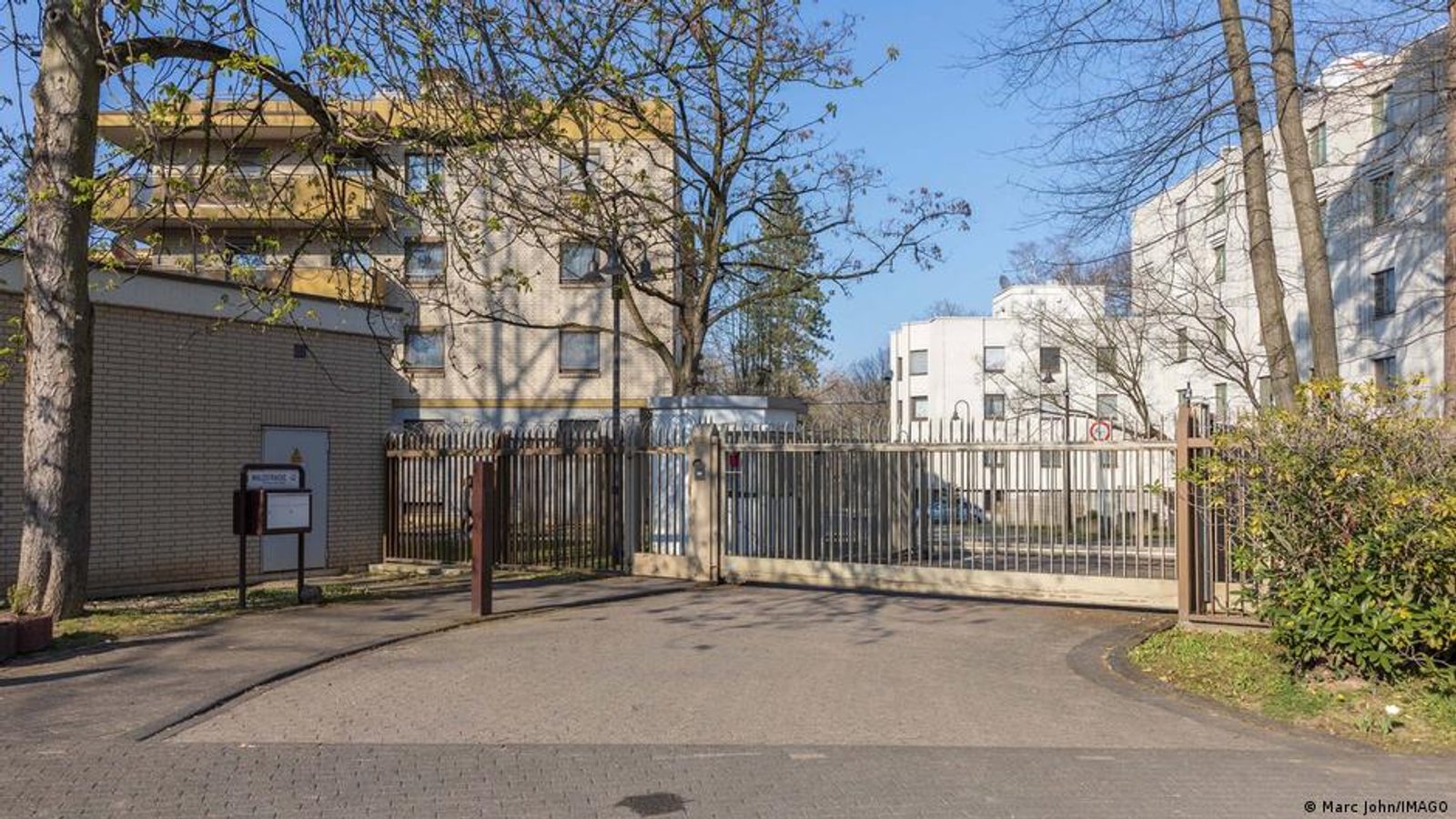
The consulate in Bonn is one of Russia's largest of its type and gained further prominence after Germany in May 2023 shut four of the country's five Russian consulates. Since then Russia and Germany have each maintained one embassy and one consulate on each other's territory, and officials say Moscow is likely to reciprocate by closing the German consulate in Saint Petersburg.
Russian consular services in Bonn have already informed applicants that "appointments for applicants in all consular matters are cancelled." The move will primarily affect holders of Russian passports living in Germany: estimates of that population range from several hundred thousand to a few million, and the loss of the Bonn office will make access to visas and other services considerably harder.
The Bonn site occupies a hill in the former diplomatic quarter of Bad Godesberg. The grounds once contained the residence of the Federal Republic's first president; the property became Soviet—later Russian—diplomatic territory in the early 1970s, with new buildings completed in the late 1980s. With staff expected to return to Russia, the complex will remain empty yet maintained — international law limits how host states may use or repurpose closed diplomatic properties.
Observers note the strategic sensitivity of Bonn: while the German government moved to Berlin in the 1990s, Bonn retains the main headquarters of the Ministry of Defence and is close to military facilities and NATO command structures in neighbouring Belgium and the Netherlands. The consulate's association with espionage cases has also been raised in the past — a former Bundeswehr officer, Thomas H., was convicted in 2025 for spying on behalf of Russia and was sentenced to three and a half years in prison after reportedly offering his services to the consulate.
Berlin's decision marks a second closure of Russian consular facilities, but this time was executed on a markedly shorter timetable — under three weeks — compared with more than six months' notice given during the earlier round of shutdowns. The Bonn consulate had been scheduled to host a polling station for Russian parliamentary elections on 20 September; official figures show that just over 5,000 Russian citizens voted there during the 2024 presidential vote.
Photo: press material from the event