Germany and Kosovo cut CCHF infections through joint monitoring and diagnostics
Long-term German–Kosovo cooperation in surveillance, diagnostics and outreach has reduced Crimean–Congo hemorrhagic fever infections in Kosovo.
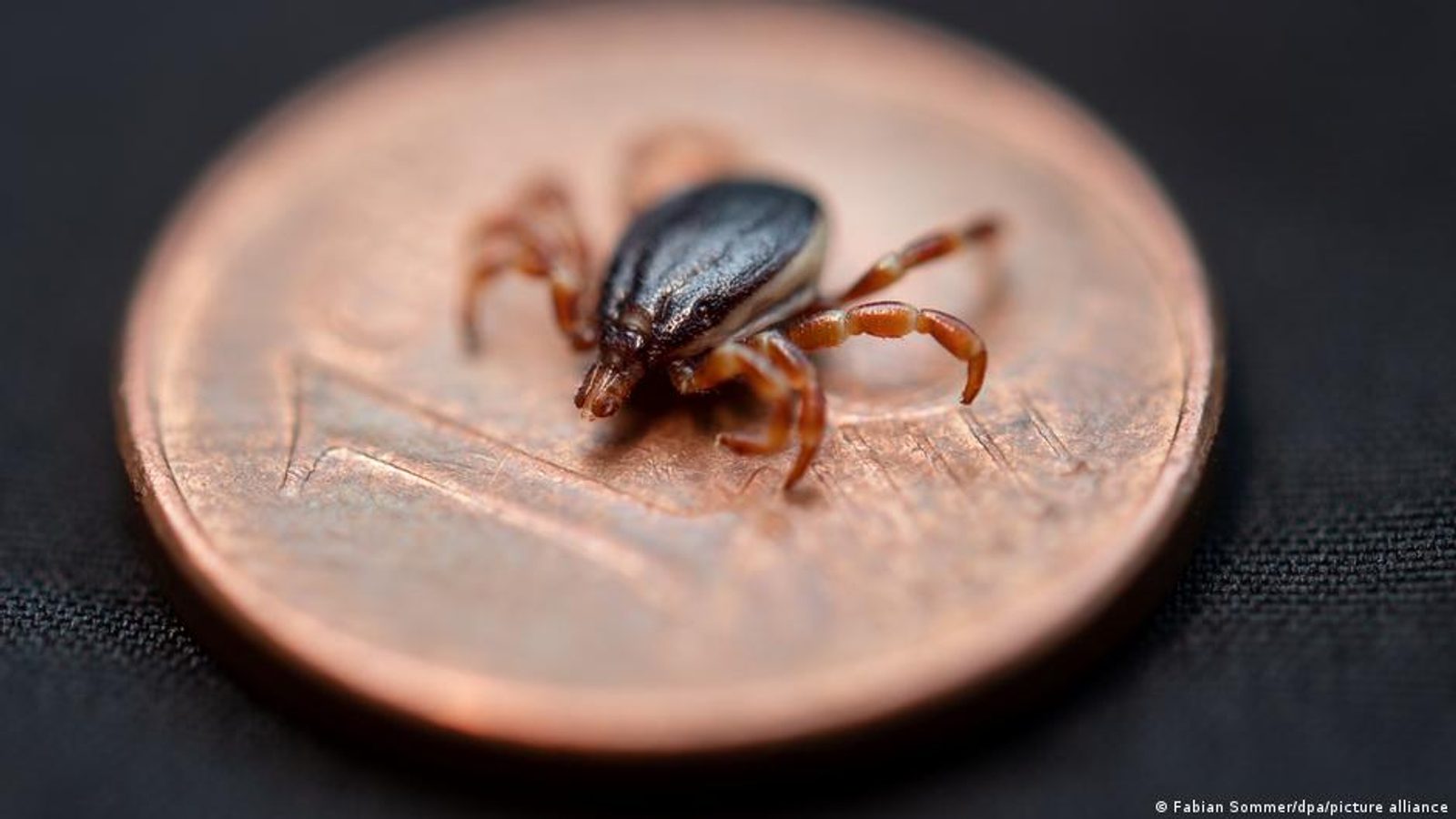
German and Kosovar scientists say their long-term collaboration has sharply reduced human infections with Crimean–Congo hemorrhagic fever (CCHF) in Kosovo, a recognised hotspot for the Hyalomma tick that carries the virus. Kosovo has about 1.6 million inhabitants and historically recorded outbreaks: one early report noted eleven infections and five deaths.
How the partnership began and what changed
The cooperation traces back to 2005, when veterinarian Kurtesh Sherifi read an article on CCHF while completing his doctoral work in Berlin. Returning to the University of Pristina’s Faculty of Agriculture and Veterinary Medicine, Sherifi found Kosovo lacked a high‑security laboratory and diagnostic capacity for the virus. He reached out to the Bernhard Nocht Institute for Tropical Medicine in Hamburg, where virologist Petra Emerich worked on high‑risk pathogens.
Emerich traveled to Kosovo in 2009, and the two built a working partnership that combined local access to patients and livestock with German laboratory expertise. In 2013 the collaboration received additional funding through the German Foreign Ministry’s biosafety programme, which helped expand surveillance and diagnostic testing.
“It is a mutual exchange and cooperation,” Emerich says. “We possess the diagnostic expertise and necessary resources, but we don't have patients.” German clinical teams began regular visits to share experience with Kosovar doctors; local teams set up tick monitoring and serological surveys of domestic animals to map where the virus circulates.
Public awareness campaigns aimed at farmers — a high‑risk group — were another pillar of the effort. People in Kosovo are often exposed not only by tick bites but when removing ticks from livestock: if infected animal blood contacts a skin cut, transmission can occur. “Probably a large part of people in Kosovo become infected exactly in this way,” Sherifi says.
There is neither a vaccine nor a specific antiviral approved for CCHF. Most infections remain asymptomatic, but severe cases can resemble Ebola or Marburg, with bleeding from skin and mucous membranes, gastrointestinal hemorrhage and even organ failure. Patients need intensive care and isolation; physicians may use the antiviral ribavirin, but its benefit is limited. “Ribavirin has very limited effectiveness in acutely ill patients,” Emerich warns, based on studies and clinical experience in Kosovo.
Thanks to ongoing surveillance, extensive tick sampling and seroprevalence studies in livestock, Kosovo has recorded a dramatic drop in confirmed human cases over the past decade — a total of only five cases in recent years — a result the scientists regard as a significant achievement. Nevertheless both researchers expect Hyalomma ticks and CCHF to keep spreading northward: Hyalomma have already been observed in Germany and several Eastern European countries, and ticks infected with CCHF were recently detected in France, though no human cases there have been reported.
“In the last 13 years Hyalomma ticks have significantly expanded their geographic distribution,” Emerich says. “As a virologist, it really worries me and must be followed carefully.” Sherifi adds that the knowledge built in Kosovo should be shared with neighbouring countries such as North Macedonia and Albania, where Hyalomma and the virus are increasingly present.
Photo: press material from the event