Germany’s debate over working until 67: is it realistic?
Debate in Germany about raising the statutory retirement age to 67 highlights physical and psychosocial limits in construction and care work.
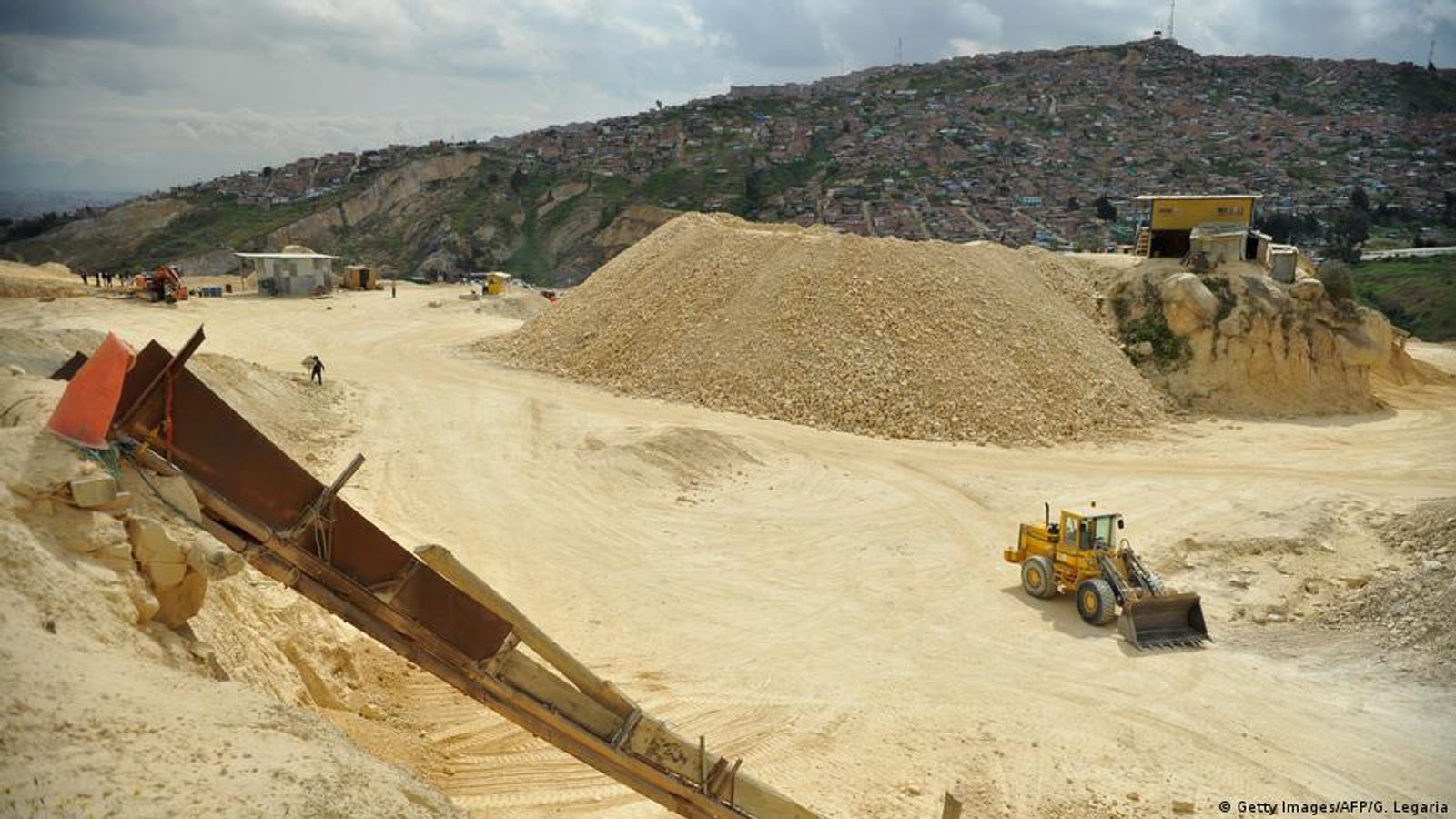
At 6:30 a.m. in a gravel quarry in the Harz region, Uwe Kersten and Axel Bether begin their shift. Kersten is 61 and—under current rules—would have to continue working for several more years if the statutory retirement age is raised to 67; as a long-standing insured worker he will, however, be eligible to retire toward the end of 2029.
In the Göttingen district nearly 3,100 people are employed in construction, but Kersten is one of only 180 staff members older than 60. "That doesn't surprise me at all," he says, recalling colleagues who sought calmer jobs in their mid‑fifties where possible, or took early retirement. "You simply have to say that colleagues could no longer cope. Their joints were simply worn out."
Physical and psychosocial strain across sectors
Kersten has operated heavy machines, climbed onto conveyor systems and balanced on steel structures at heights of about five metres. "I've done this work for 38 years and I notice I need ever longer recovery periods. Five years ago this used to be no problem," he says, adding that he used to come home fit enough for football or to work around the house.
Research by the German Institute for Economic Research (DIW) shows that many people in demanding occupations do not reach the regular pension threshold within their profession, explains Johannes Geyer, who studies pension issues at DIW. Those workers either move to disability pensions for health reasons or change profession. Heavy work is not limited to construction; psychosocial burdens in social services and care for the elderly and ill are also relevant.
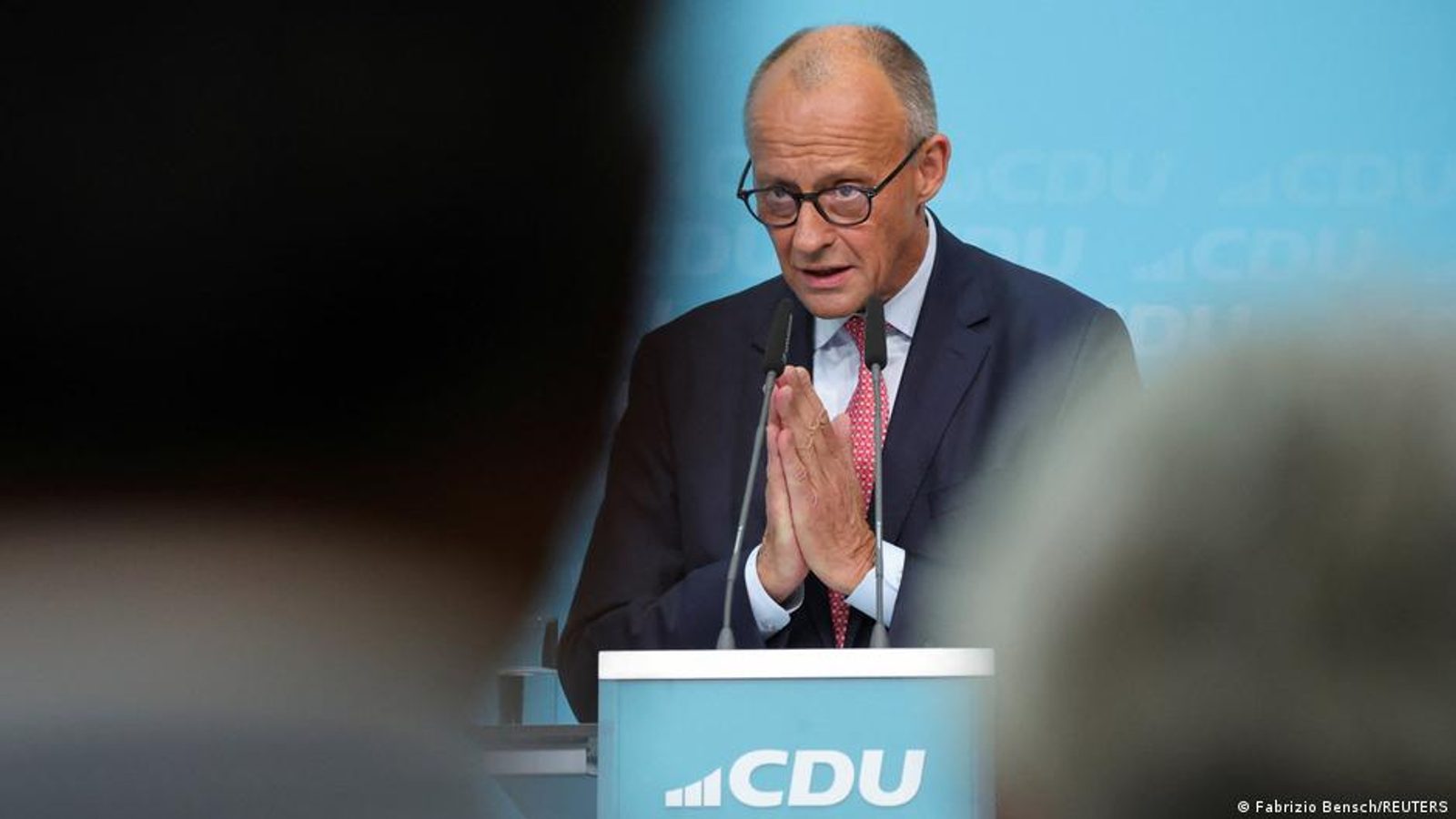
"Those who would be most affected by raising the retirement age are the workers who, for various reasons, have remained healthy enough to age in their profession," Geyer warns. For that relatively fit group, reforms proposed by Chancellor Friedrich Merz could mean working two to three years longer. "Employees already carry the burden of previous years of work, and in the meantime they have also aged," he adds — so every additional year becomes harder.
Unions such as IG BAU argue for preserving the possibility of retirement at 63 at least in its present form. "If you look at how hard the work is, then it is completely unrealistic to expect colleagues to work until age 70," says Ralf Gjuren, a union secretary in southern Lower Saxony. He suggests linking retirement age to the heaviness of work, using categories similar to those in disability-pension classifications. "In that, professional insurance associations could certainly help," Gjuren adds.
Measures frequently discussed include adjusting tasks for older employees, but the current shortage of skilled labour makes that difficult. "In the past it was possible for older colleagues to be given lighter tasks," Kersten says. Today, even with a two‑percentage‑point increase in apprentices in construction compared with last year, that does not come close to filling the gap, Gjuren says.
At the quarry, much equipment is old and repairs still require heavy physical work. "I think the physical strain will always remain," Kersten says. "Noise, vibrations and dust all day — that must not be underestimated." He admits work gives him fulfillment: "For me, work is part of life. It gives me fulfillment and meaning." Still, he would not like to continue longer: "And my life plan is set that way. I want to spend time with my wife, in my house and in the garden."
Photo: press material from the event