Germany's gas storages below target as prices rise
Italy blames German purchases for higher wholesale prices, while German agencies point to global supply and geopolitical disruptions.
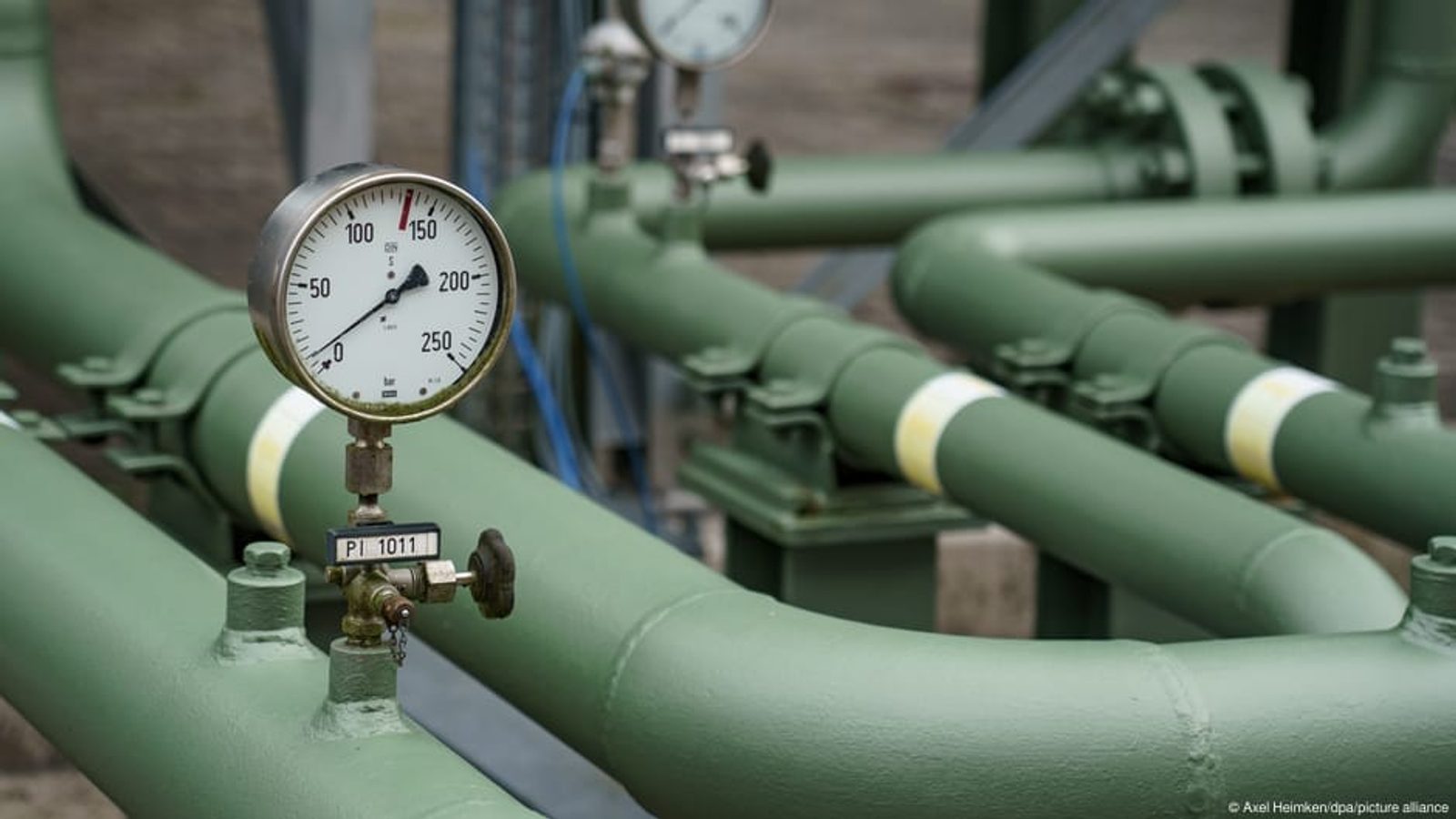
Germany's gas storage levels are running below the formal target as winter approaches, and the recent rise in wholesale gas prices has provoked public accusations from Rome that German buying has pushed up costs for other EU countries.
Dispute over who is driving prices
Alessandro Noche, director for energy markets and infrastructure at Italy's Ministry of Energy, said Italy spent 300 million euros to refill its storage stocks and now faces higher prices because Germany is buying on the market. "The price is currently 100 euros because the Germans are buying; otherwise it would be 70 euros," he told the energy news portal Montel.
Noche pointed to a September order by Federal Minister for Economic Affairs Katharina Reiche instructing the state-controlled company SEFE to procure and hold gas for the winter — a step Reiche had previously resisted. He argues that when Germany refrains from buying, prices were lower, and German purchases have lifted demand and pushed up prices.
The Federal Ministry for Economic Affairs rejected Rome's accusation. A ministry spokeswoman said on October 30: "We categorically reject the accusation that the procurement and storage of natural gas are causing the rise in gas prices in Europe." Independent experts consulted in Germany also dispute the Italian line.
Nadja Afani of the public affairs office at the Federal Network Agency points to another dynamic: "Gas prices are to a large extent linked to recent geopolitical events in the Near and Middle East. Key supply routes in that region are still disrupted, which affects price formation on the global gas market," she said.
Charlie Grineberg of the industry association Gas-h2 offered a more nuanced assessment: "When demand in one country increases, it can affect prices in other countries, because that's how the European single market works. Attributing today's high prices solely to Germany's stock levels, however, is an oversimplification." He added: "The main driver of prices is the limited global supply, which is the consequence of shortages in deliveries from the Gulf region, a situation that affects all European countries."
Germany's authorities stress that current stocks are sufficient. The European Commission, the Federal Network Agency and the Federal Ministry for Economic Affairs have all assessed that available volumes should cover supply needs through the coming winter. Most German storage sites are above 70 percent filled, and many sites report levels above 80 or even 90 percent; only a few are under 40 percent, which pulls down the national average.
Under applicable rules, most German storage capacities were required to reach at least 80 percent fill by November 1. A lower threshold of 45 percent applies to six specific facilities, which mathematically reduces the overall target to roughly 70 percent; the real aggregated figure currently sits about eight to nine percentage points below that goal. Industry figures also point out that there are roughly 150 terawatt-hours held in storage at present — significantly more than the volume withdrawn last winter.
Experts say the market is calm but cautious. "Today's supply situation is built on firmer foundations than during the crisis winter in 2022. LNG terminals, a larger number of international suppliers and strong interconnections within Europe make us less dependent solely on storage fill levels," Grineberg noted. At the same time, he warned: "Gas is available, though at higher prices. Low storage levels reduce the room for manoeuvre in a prolonged cold spell and increase the risk of short-term price spikes."
Photo: press material from the event