German car giants face sharp Q2 2026 declines and looming mass job cuts
Second‑quarter 2026 sales drop across BMW, Mercedes‑Benz and Audi; manufacturers warn of deeper restructuring and further job cuts.
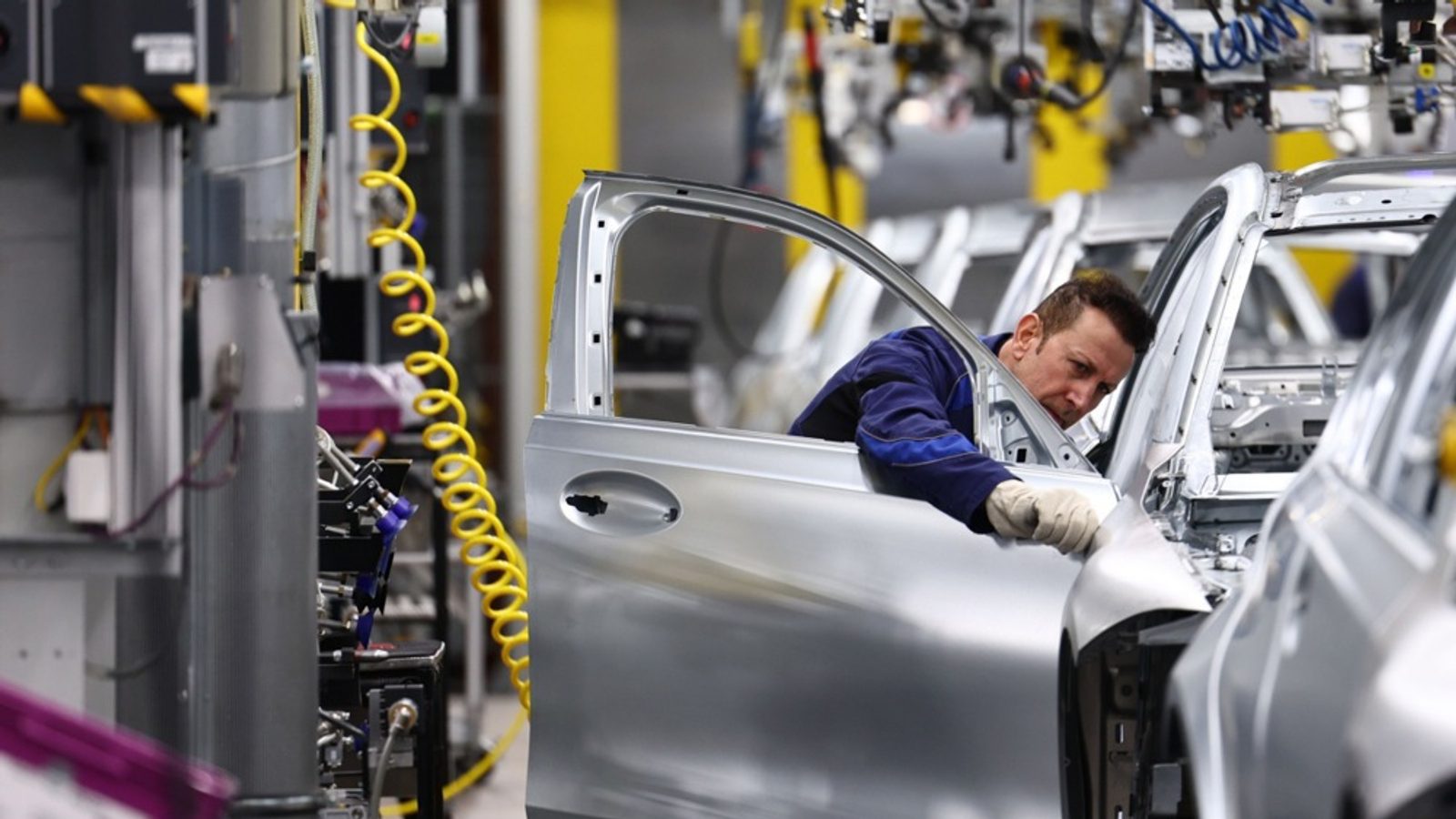
Major German carmakers reported weaker-than-expected second-quarter 2026 results, underlining a widening crisis across the industry as competition from China, U.S. tariffs, rising production costs and an expensive shift to electric vehicles squeeze margins and sales worldwide.
BMW delivered 590,962 vehicles in Q2, a 4.9 percent decline from the same period a year earlier, with sales in China plunging about 30 percent. The company has already launched an aggressive cost-saving programme: it cancelled its appearance at this year’s Paris Motor Show and announced plans to cut 8,000 jobs by the end of 2027.
Weak demand hits core premium brands
Mercedes‑Benz sold 511,900 cars in the quarter, down six percent year-on-year, while Audi’s deliveries fell by more than eight percent to 367,139 vehicles. Audi’s chief financial officer, Jürgen Rittersberger, warned that deep restructuring and capacity reductions are unavoidable if the company is to remain competitive; Audi’s revenues for the first half of the year dropped ten percent to €29.2 billion, and production at the Neckarsulm plant has already been significantly curtailed.
Volkswagen — Europe’s largest carmaker — has begun large-scale job-reduction programmes and faces a structural cost gap of roughly 20 percent against key rivals, according to CEO Oliver Blume. He has estimated that, in a worst-case rebalancing, the company could theoretically eliminate around 50,000 additional jobs worldwide to regain competitiveness. Porsche, part of the Volkswagen Group, has announced plans to cut its workforce by about 20 percent by 2035.
Production chiefs have stopped ruling out the unthinkable: closing plants in Germany and shifting more output to lower-cost countries. Michael Schiebe, Mercedes‑Benz’s head of production, said: "We will have to move even more jobs abroad. In the worst case, this could lead to the closure of factories in Germany." Management says it is trying to avoid such outcomes, but sees measures such as raising the working week from 35 to 40 hours and altering collective agreements as necessary to preserve competitiveness.
Analysts expect 2026 and 2027 to be the toughest years of restructuring in decades for the German auto industry, with further waves of layoffs, plant closures and production relocations possible as firms try to adapt to a faster-changing global market for electric vehicles and tougher trade conditions.
Photo: EPA-EFE/ANNA SZILAGYI