Aggression on Germany’s roads is rising; more drivers use phones at the wheel
UDV survey finds growing aggression on German roads and rising use of mobile phones while driving; sample of more than 2,000 interviewed in March–April 2026.
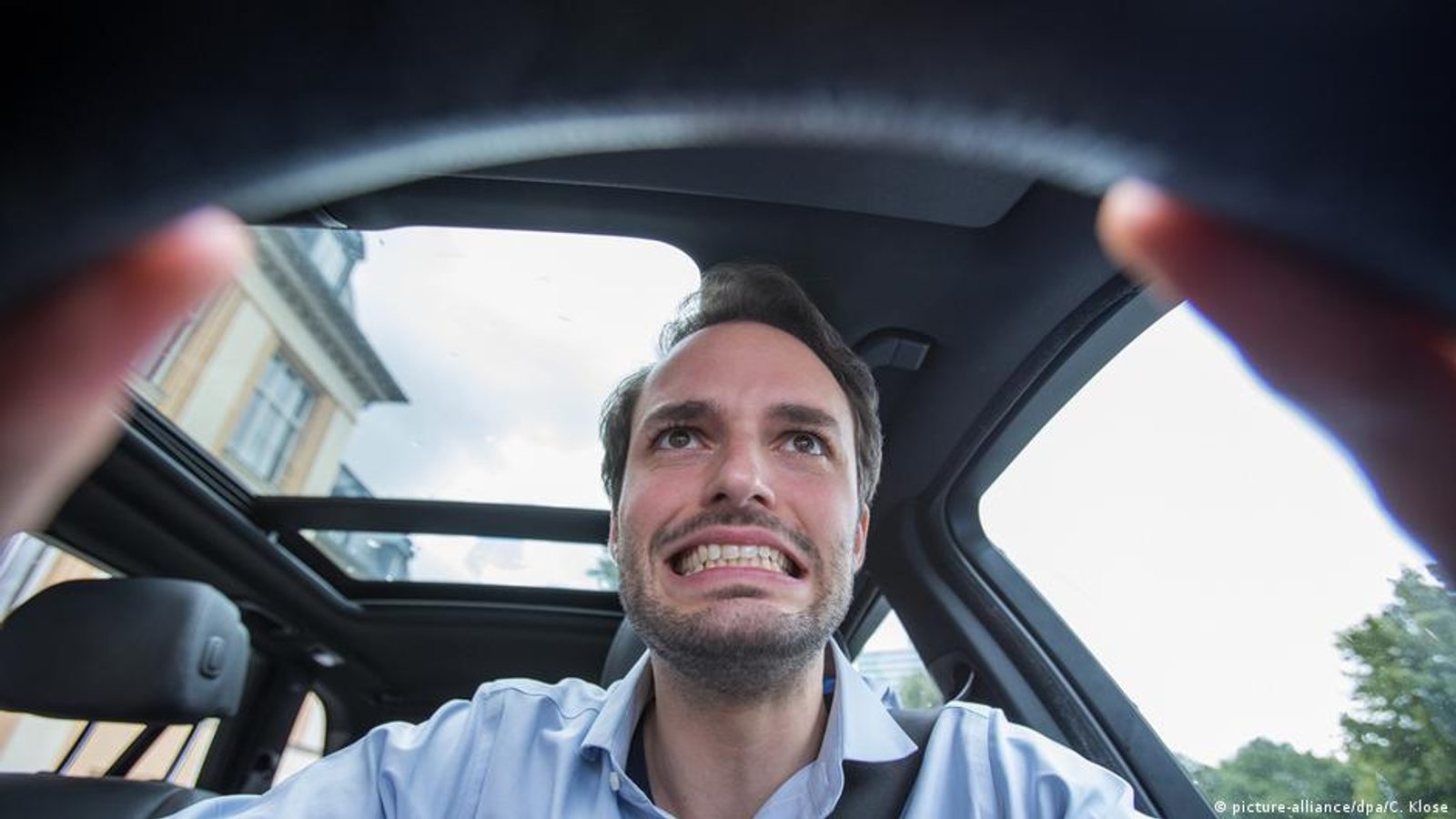
Road users in Germany report sharper behaviour behind the wheel and a rise in risky manoeuvres, according to a new survey by the Unfallforschung der Versicherer (UDV). The share of drivers who admit to sometimes pressing the vehicle in front of them rose to 47 percent this year, up from 39 percent in the previous 2023 survey; more than 2,000 people aged 18 and over were interviewed online between March and April 2026.
Respondents describe frequent incidents of dangerous overtaking, pushing and verbal abuse. Almost one in three said that after overtaking they steer back into the lane so close in front of another vehicle that the other driver has to brake; in 2023 the proportion was somewhat below one quarter. Nearly one in ten drivers (8%) said they pay almost no attention to cyclists when overtaking.
Smartphone use while driving also shows worrying growth. More than one in five drivers report that they at least occasionally use social networks while driving — roughly double the level reported three years ago, when a little more than one in ten admitted it. Almost one in four send text messages while driving, and a similar share use the internet behind the wheel; younger drivers say they use phones while driving significantly more often than older participants. At the same time, perceived risk is falling: 74 percent now rate texting while driving as "very risky", down from 84 percent three years ago.
Experts point to social and infrastructure causes
UDV director Kirstin Zeidler warned that the trend is visible across different road user groups and reflected in broader social behaviour: "The trend is clear: the group of people who display aggressive behaviour is growing." UDV says the increase is not limited to motorists — cyclists also report more aggressive behaviour than in 2023, including riding on too-narrow cycle tracks, slipping past cyclists waiting at red lights and filtering through motor traffic. The organisation links some of the pressure on road users to infrastructure constraints, such as increasingly narrow bike lanes.
([udv.de](https://www.udv.de/udv/presse/82282/ansprechpersonen?utm_source=openai))Public support exists for stronger measures. More than 60 percent of respondents favour introducing a 130 km/h speed limit on motorways, while the 30 km/h limit in urban areas lacks majority backing (supported by slightly less than 43 percent). There is particularly strong backing for a zero-alcohol limit for drivers. UDV recommends more frequent controls and tougher sanctions; about 60 percent of respondents say they have never been checked by police or were last checked many years ago. The organisation also called for wider use of so-called "mobile phone cameras" that detect drivers using phones at the wheel: "From the UDV perspective, traffic planners and traffic psychologists should develop concepts against aggressive behaviour in ever-denser traffic."
([udv.de](https://www.udv.de/udv/presse/82282/ansprechpersonen?utm_source=openai))Despite the rise in aggressive incidents, a clear majority still feel safe: 58 percent of respondents say they feel "safe" or "very safe" in traffic, two percentage points higher than in 2023. The survey also finds that older road users generally feel more secure than younger ones, and that men typically report feeling safer than women.
Photo: press material from the event