Thwaites Glacier is melting faster than thought, study finds
Revised models that include a dynamic grounding zone double Thwaites’ near‑term sea‑level contribution and raise the long‑term stakes for coastal flooding.
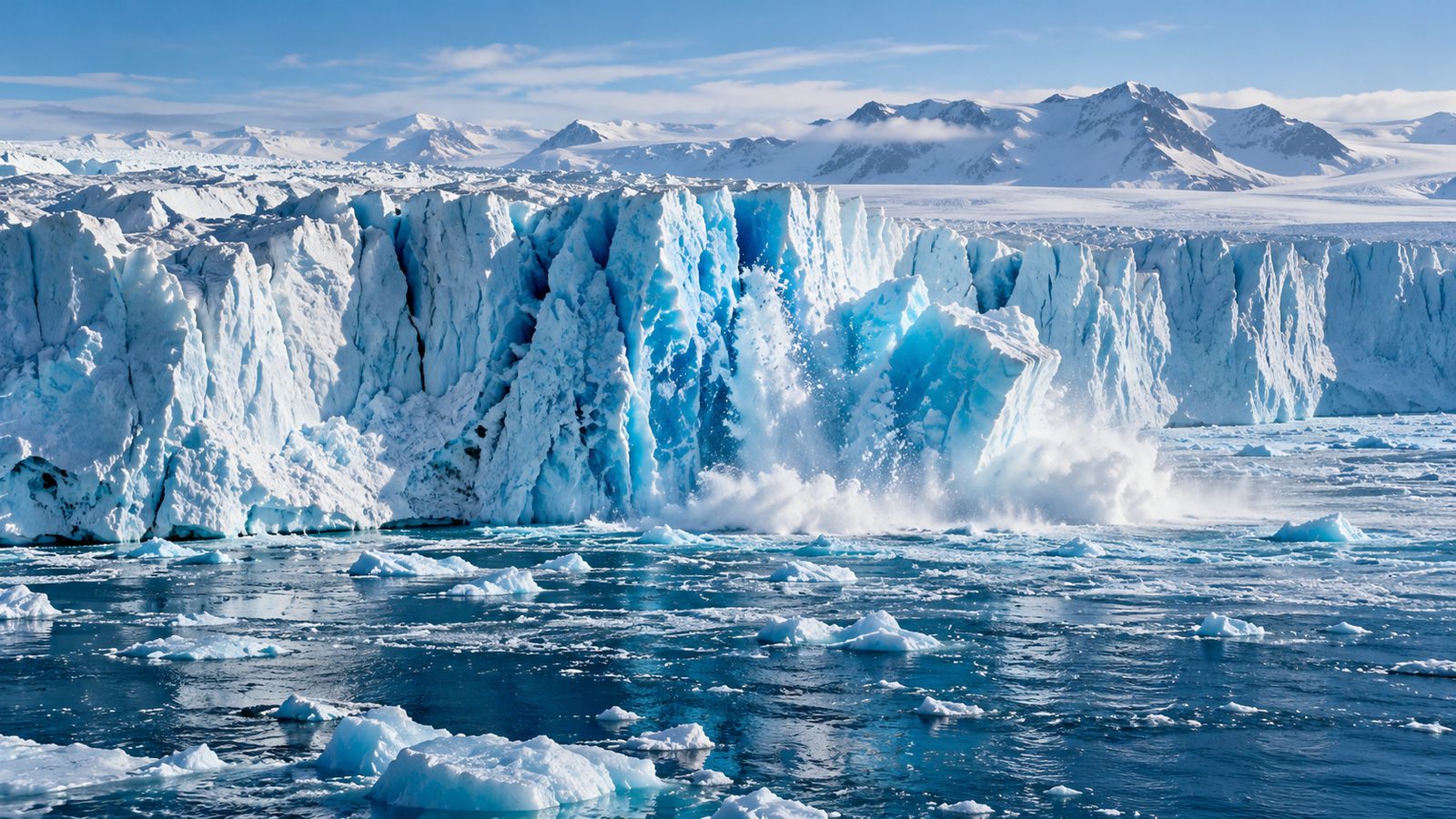
The Thwaites Glacier in West Antarctica is melting far faster than previous models indicated, and a new study finds its contribution to global sea‑level rise could be substantially larger than earlier estimates.
Scientists say revised models of the glacier’s grounding zone increase projected sea‑level impacts
Researchers at the University of California, Irvine and NASA’s Jet Propulsion Laboratory developed a more detailed model of the processes beneath the ice that has revealed a more complex and active grounding zone — the area where ice lifts off the seabed and begins to float. That complexity allows relatively warm ocean water to reach deeper under the glacier and accelerate melting.
The Thwaites Glacier, often nicknamed the “doomsday glacier,” is roughly the size of the U.S. state of Florida and already accounts for about 4 percent of observed global sea‑level rise. The glacier’s own ice contains enough water to raise sea level by more than 60 centimetres, and because it holds back a much larger ice mass on Antarctica, its long‑term collapse could ultimately add roughly 3 metres to global sea level.
After incorporating a wider, dynamic grounding zone into their simulations, the authors report Thwaites could contribute up to 3 centimetres to global sea level by 2100 — about double previous estimates — even without additional global warming, the paper in Nature Communications says. The models also show the bed beneath Thwaites slopes inland, exposing ever more ice to warm ocean water as retreat proceeds.
Lead author Matija Poinelli said, "We realised that the situation beneath the world's largest glaciers that end in the ocean is different." Co‑author Eric Rignot warned that "the results indicate a greater risk of coastal flooding in the coming decades than expected." Independent experts such as Ted Scambos and Robert Larter noted the findings could change how scientists project sea‑level rise driven by Thwaites but urged more direct measurements beneath the glacier to confirm the processes now highlighted by the models.
Scientists estimate there is a roughly 60 percent chance the ice will detach from a major undersea ridge called Mjulino by the end of the century, which could trigger rapid retreat. Teams plan to travel to Thwaites in 2028 to deploy instruments in the grounding zone and measure ocean‑water movement directly. The authors stressed that urgent reductions in greenhouse‑gas emissions remain essential, while also warning that some sea‑level rise is now unavoidable because of past damage.
Photo: press material from the event