Hackers altered butchery's fridge settings in Kifisia; owners averted over €200,000 loss
Internet‑connected refrigeration in a Kifisia butcher shop was remotely altered on 2 November; prompt response prevented spoilage worth over €200,000.
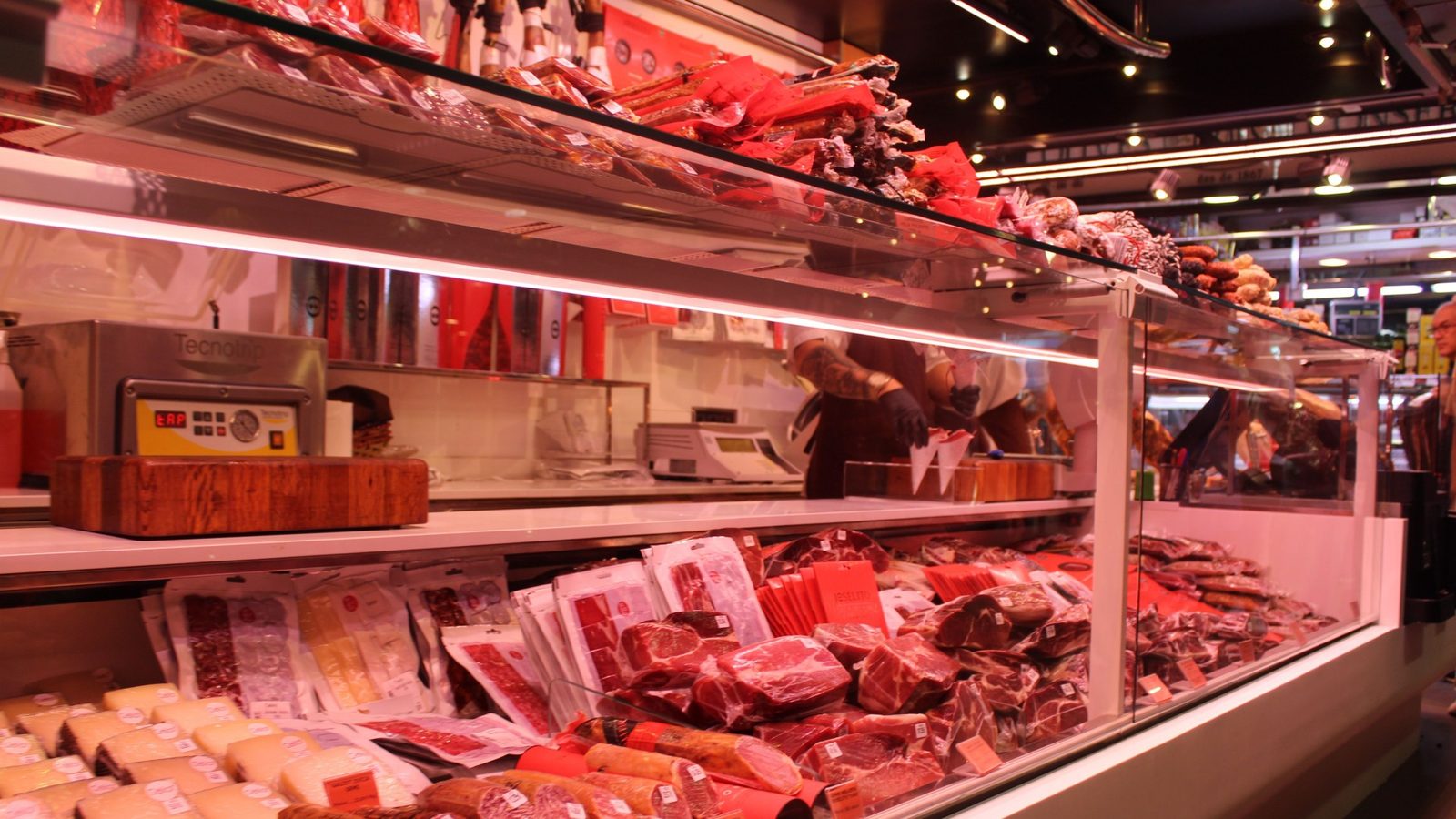
A butcher shop in Kifisia, a northern suburb of Athens, discovered on the morning of 2 November that its internet-connected refrigeration units were no longer accepting local control: the system’s temperature setting had been changed to 150 degrees and staff were unable to access the controls. Owner Giorgos Bumbas says swift action prevented what he estimates could have become a loss of more than €200,000.
According to Bumbas, the problem began at about 4:00 a.m. while employees were preparing orders. At first the team suspected a mechanical fault, but attempts to override the system failed. "We could not intervene manually, we could not access the system," Bumbas said. After roughly an hour of checks a technician suspected an attack, and control was restored after about two hours.
Fortunately, the refrigeration units never reached the electronically displayed 150 degrees. Bumbas later explained that 150 was an electronic set value, while the actual temperature rose only to about 17 degrees (within about a one-degree margin compared with normal near-zero levels). The meat was moved to the shop’s secondary premises in Melissia to avoid spoilage.
Not an isolated problem — exposed systems and wider reports
Bumbas said the affected equipment were newer models with internet connectivity and remote management; older units at the shop continued to operate normally. After the incident the shop’s Wi‑Fi was disabled and technicians began seeking a permanent fix.
He also says he learned from his maintenance provider about similar incidents at two other local businesses, though those claims remain unconfirmed independently. A maintenance company’s technical director reported comparable attacks in Kalamata and warned that attackers can find devices exposed on the public internet, change settings and trigger defrost heaters; unsecured network ports are a particular risk.
Similar cooling failures have been reported across Europe in recent weeks: more than 100 stores, including outlets of Carrefour, Delhaize, Colruyt, ICA, Coop, SuperValu and IKEA, experienced problems on 2 November. In Sweden some freezers reportedly warmed to 50 degrees, in Belgium a butcher reported spoiled goods worth about €15,000 after temperatures rose to 18 degrees, and comparable incidents were recorded in France in October.
Greece’s National Cybersecurity Authority warned on 14 October that it had identified more than 300 refrigeration controllers exposed to the public internet, mainly from manufacturers Danfoss, Copeland/Dixell and Carel. "What we discover, an attacker can discover as well," Michalis Bletsas, the authority’s director, said, advising limits on direct internet access, use of VPNs, multi‑factor authentication, changing default passwords and updating or replacing outdated equipment.
No independent forensic report has yet been released for the Kifisia case, and investigators have not publicly confirmed the method of intrusion, whether the butcher’s systems were previously listed among risky devices, or if the episode is directly connected to the wider wave of refrigeration incidents in Europe.
Photo: press material from the event