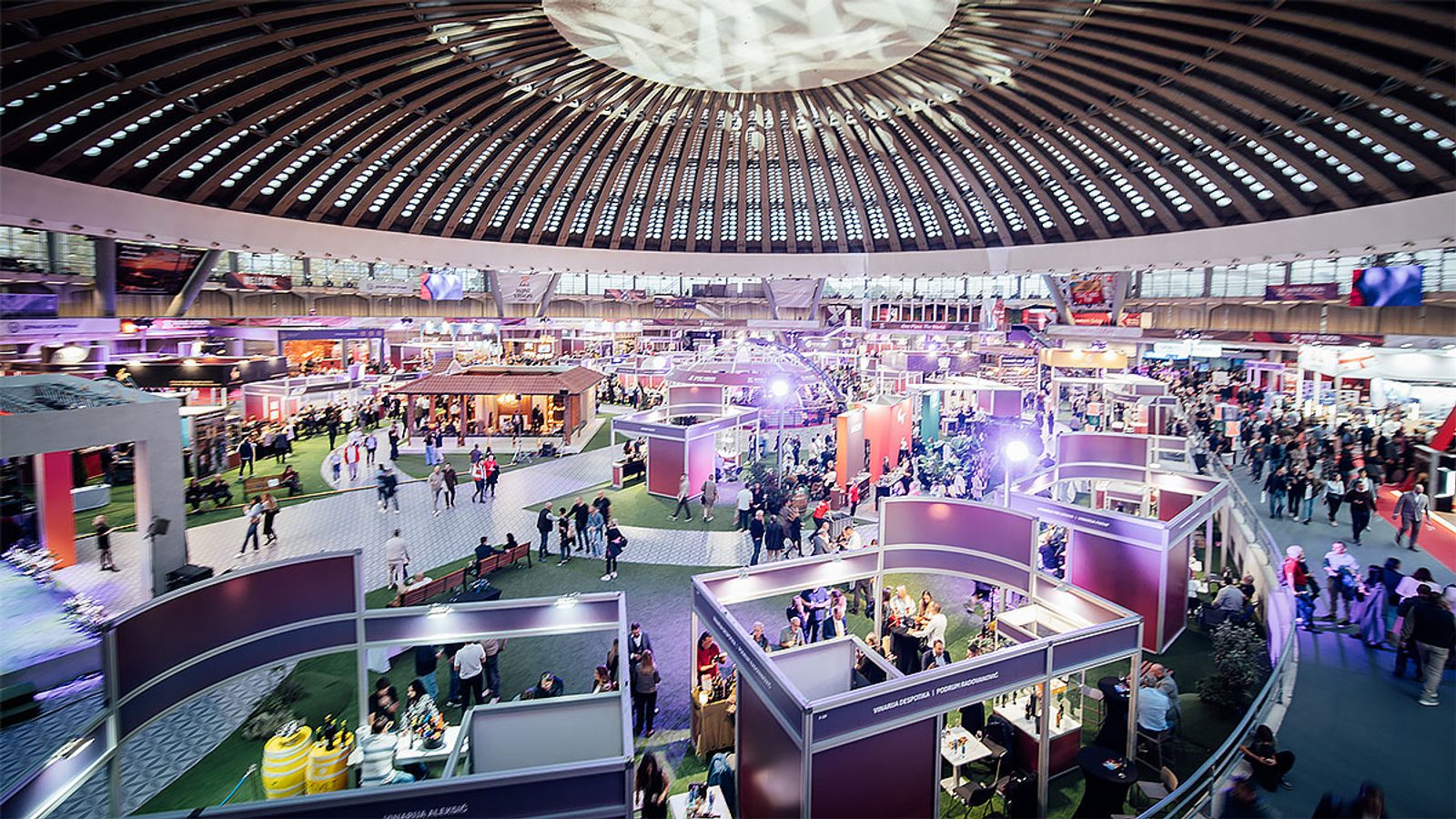
Regional housing markets hit new highs — €12,000/m² in Belgrade, Skopje also surging
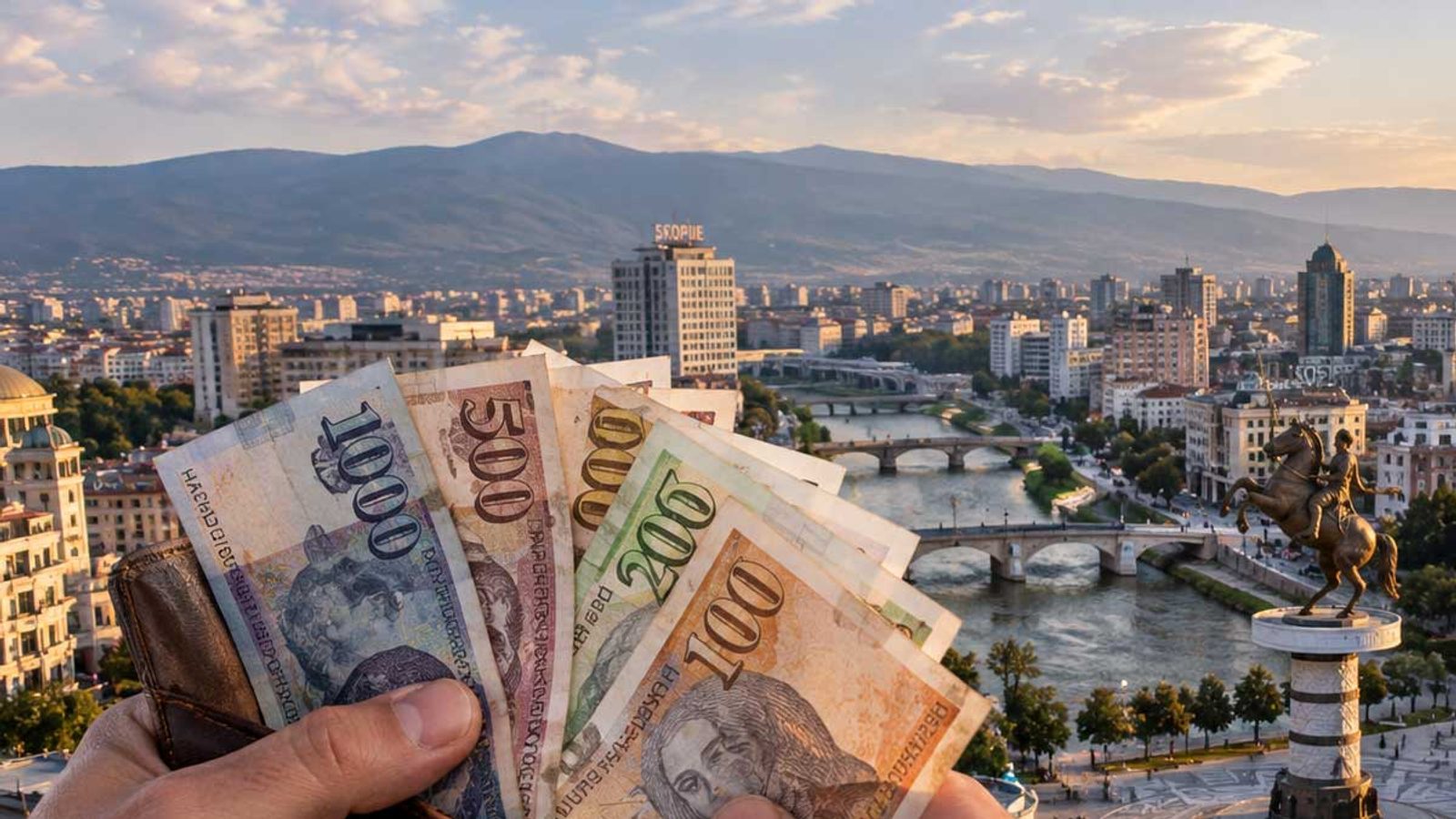
New regional records push local prices up — Skopje averaging over €2,150/m² in the first half of 2026.
Housing markets across the Balkans continue to push prices higher instead of cooling down, with fresh figures from neighbouring countries showing new records that put pressure on local buyers.
Data from the Republic Geodetic Authority (RGZ) of Serbia show that property turnover in the first half of 2026 reached €4.2 billion, a rise of 10.1 percent. Although the number of apartment sale contracts fell slightly by 1.9 percent, the total value of transactions increased by 11.4 percent, concentrated heavily in Belgrade.
More than half of the money invested in Serbian apartments — 55 percent — flowed into Belgrade. In the Stari Grad municipality a single apartment was sold for €2.6 million, which equals €12,000 per square metre, and the most expensive parking space reported at the same location changed hands for €77,000.
Regional ripple effects and local consequences
Croatia has seen similar jumps: the average price for new-build apartments in Zagreb climbed to €3,518 per square metre, an increase of 18.9 percent compared with last year. Against this regional backdrop, Skopje has not lagged behind.
Analyses for the first half of 2026 indicate that the average asking price for an apartment in Skopje exceeded €2,150 per square metre, up from roughly €1,670 per square metre the previous year. In the most sought-after Centar municipality, new‑builds on prime sites are already reaching up to €3,000 per square metre. The National Bank of North Macedonia registered a year‑on‑year rise of 25 percent in apartment prices.
That puts the average cost of a 60 m² apartment in the capital at about €129,400.
Experts say there are no meaningful indicators pointing to falling prices over the coming year. The most realistic forecast for North Macedonia is continued growth, particularly in attractive Skopje municipalities (Centar, Aerodrom, Vodno, Kisela Voda) and in tourist or economically developed cities such as Ohrid, Shtip and Bitola.
Key reasons cited for sustained high or rising prices include an insufficient supply of new, good‑quality apartments in desirable locations, steady increases in construction material and labour costs, and a growing number of households putting savings into real estate as protection against inflation.
Photo: press material from the event