HiRISK report: Ten-minute warning could have saved many lives in Nepal–China glacier flood
Rapid HiRISK assessment finds pre-event indications and shows the flood wave reached Rasuwagadhi in 6 minutes 50 seconds; rescue operations continue.
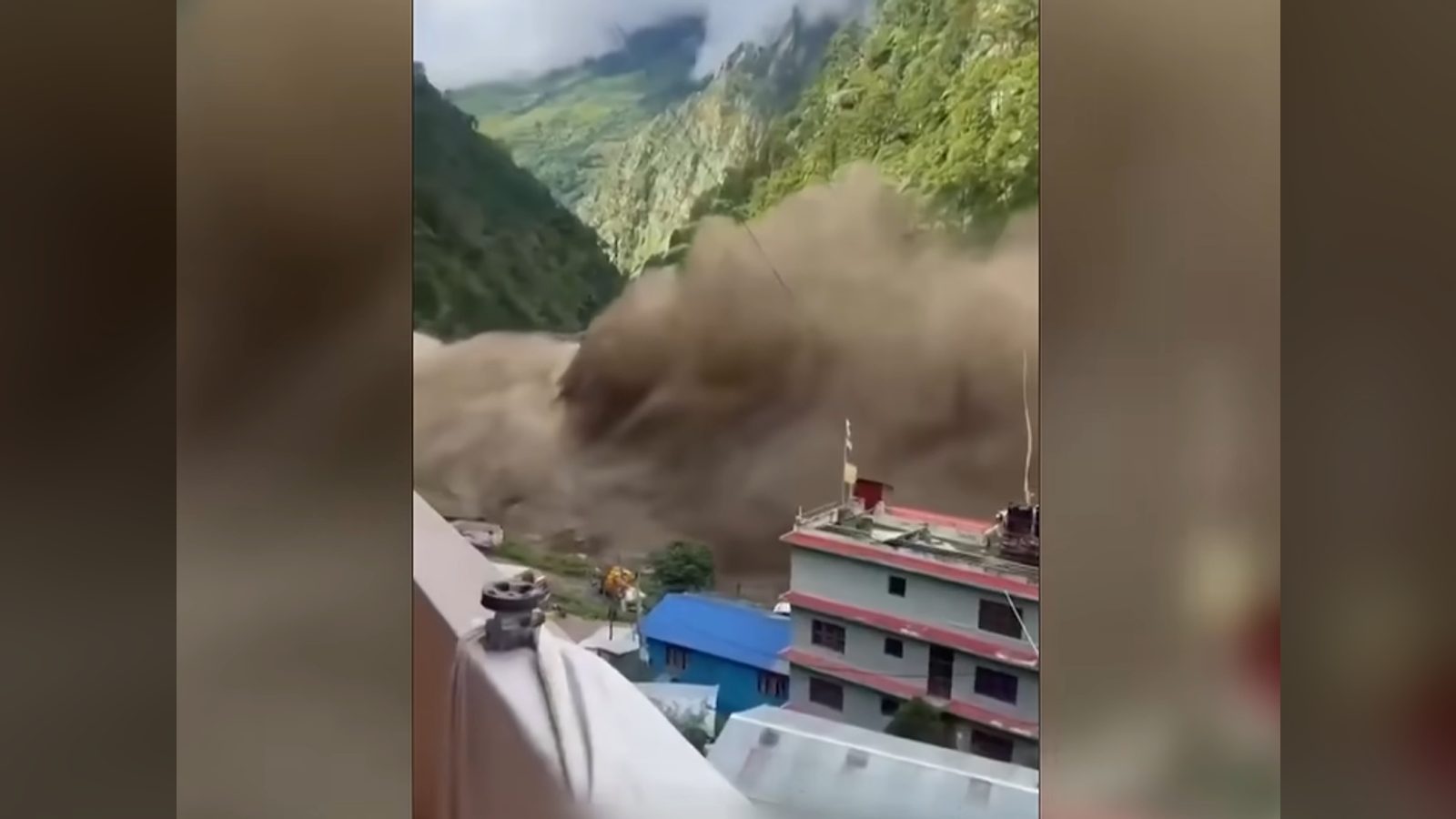
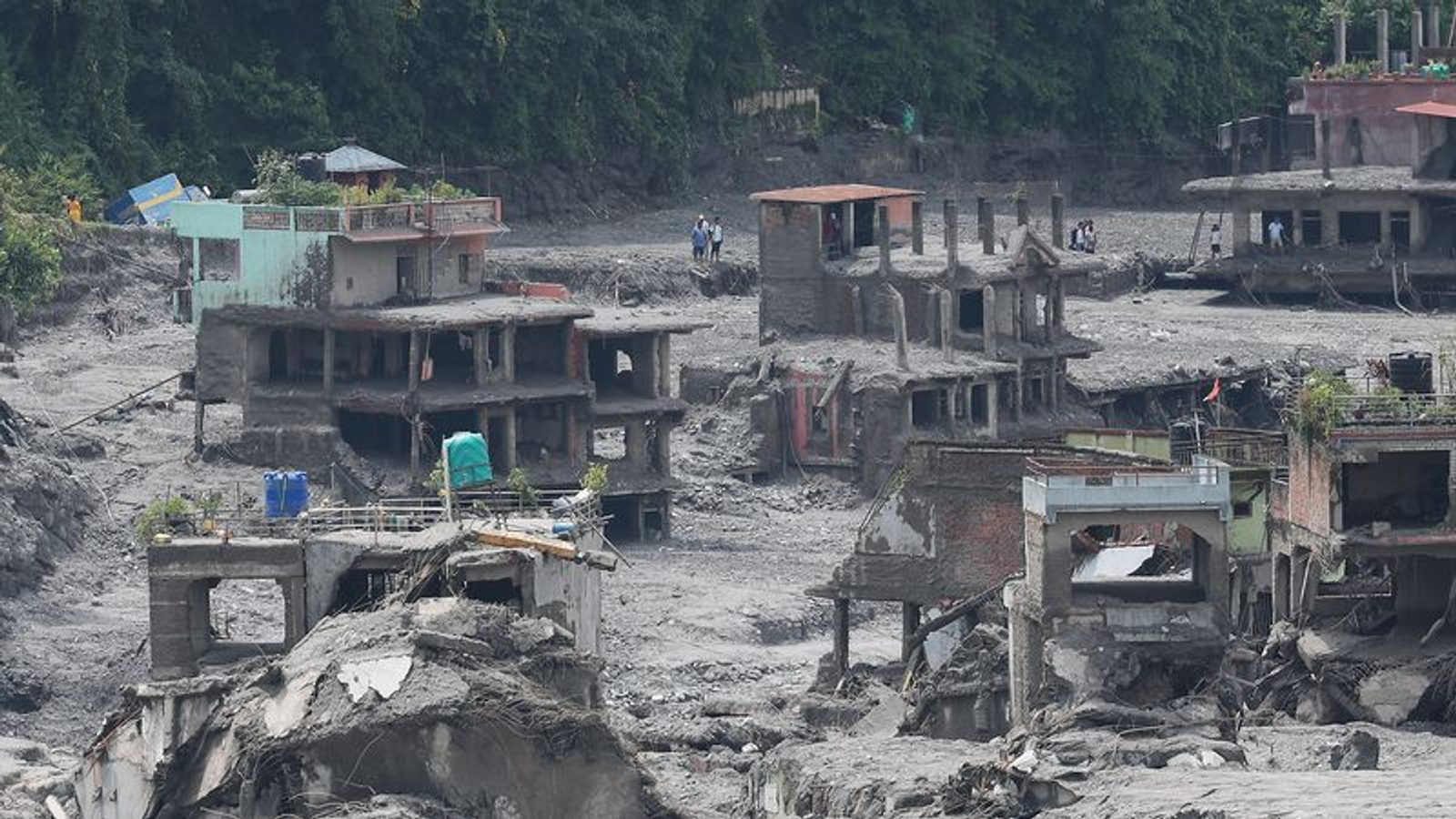
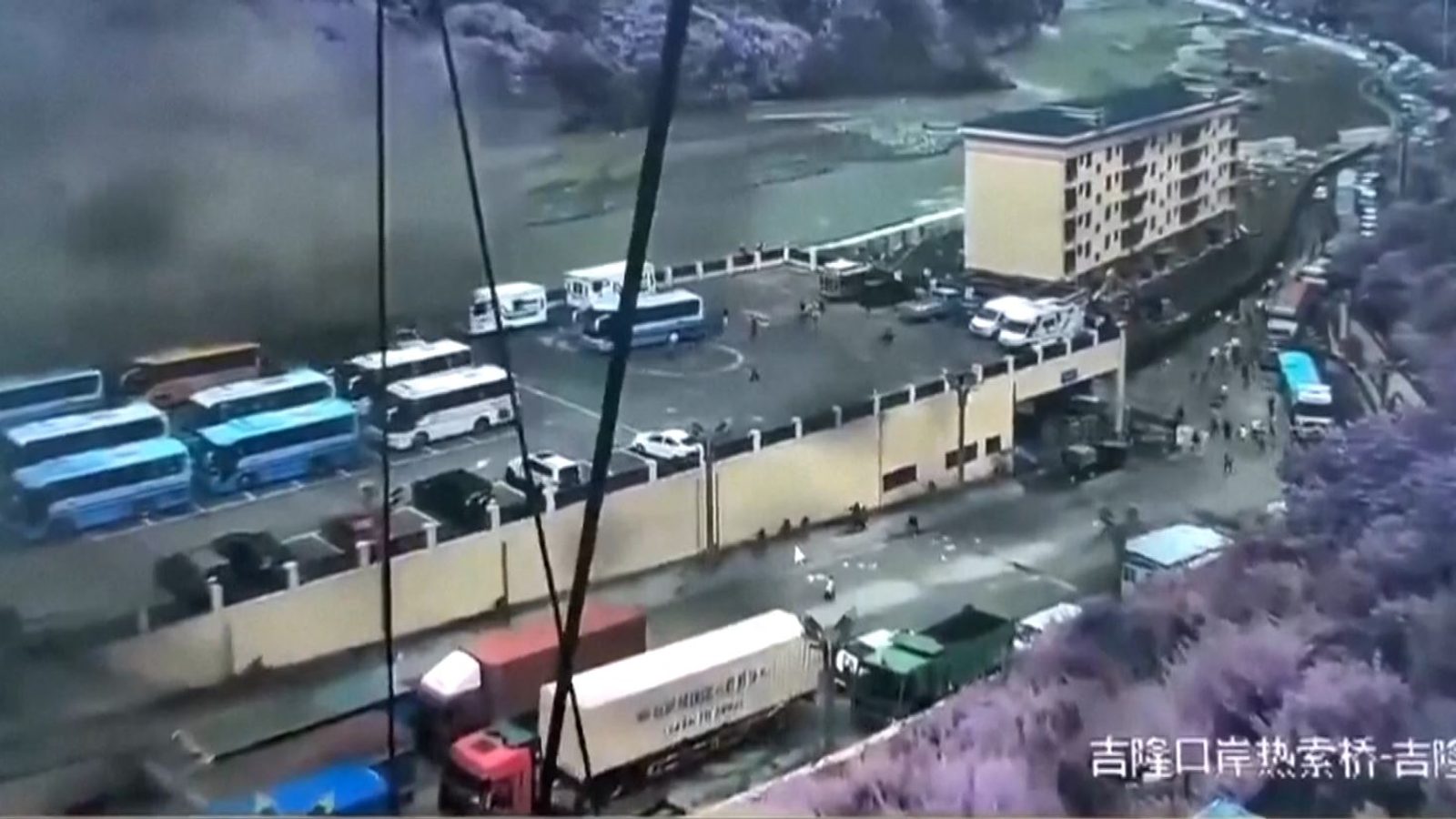
A new rapid assessment by the HiRISK research group says scientific warning signs appeared shortly before the glacier-related catastrophe that devastated communities along the Nepal–China border, and that with longer lead time many lives could have been spared. The death toll in Nepal and China has now surpassed 1,000, thousands remain missing, and search-and-rescue operations continue.
Key findings and timeline
Experts from Nepal and China met in Kathmandu on 27 May to discuss cross-border disaster risks and improved monitoring of glacier hazards. Participants urged inventories of glacial lakes and detailed mapping of vulnerable areas, and requested more data about glacier conditions and water levels upstream. Nepali officials say they did not receive as much information from the Chinese side as they had expected.
HiRISK's assessment, published on 28 August, reports that there were "indications before the event" pointing to elevated risk in the high mountain sector. Jakob Steiner, a geoscientist and co-author from the University of Graz, warned that early-warning systems for construction workers were "very weak." The group also notes that the affected valley lacked an established early-warning network for glacier-related hazards.
Technical analysis in the report shows the initial rock-and-ice avalanche moved at an extreme velocity of 193 km/h. Given that speed, the flood wave reached the nearest settlement and border post, Rasuwagadhi, 22 kilometres downstream in exactly 6 minutes and 50 seconds. The destructive surge travelled roughly 100 kilometres to its farthest major endpoint in approximately 31 minutes, and remnants and victims were later found as far as 150 kilometres downstream, near the Indian border.
The assessment highlights a stark discrepancy between system response and local exposure: mass warning SMS messages were transmitted to nearly 680,000 mobile phones within 16 minutes of the first alarm, but communities confined in narrow mountain valleys had only a few minutes before the wave struck. "With 10 minutes or more warning time, comprehensive and well-equipped systems could have saved a significant number of lives," the report states.
Authorities and investigators are still working to establish exactly what hydrological and glaciological data were available to Chinese agencies before the collapse. Meanwhile, rescue teams continue to search for survivors and recover victims as the full human and environmental impact of the cross-border disaster remains under assessment.
Photo: press material from the event