First patient treated with real‑time AI guidance in pituitary tumour surgery
University College London team used a real‑time AI tool to highlight hidden vessels and nerves on live endoscope video, enabling a safer and more complete removal of an 11 mm pituitary tumour.
Surgeons at University College London say they have for the first time removed a brain tumour while using a real‑time artificial intelligence system to guide the operation. The patient, Ris Hibert, a 48‑year‑old father of two from Bedfordshire, was at risk of losing his sight without the procedure.
AI monitored live endoscope footage and highlighted hidden anatomy
The mass was an 11‑millimetre pituitary tumour located at the base of the skull, close to the carotid arteries and the optic nerves. Because the pituitary is small—about the size of a pea—but controls hormones for growth, metabolism and blood pressure, its tumours present a particular surgical challenge when they sit next to critical blood vessels and nerves.
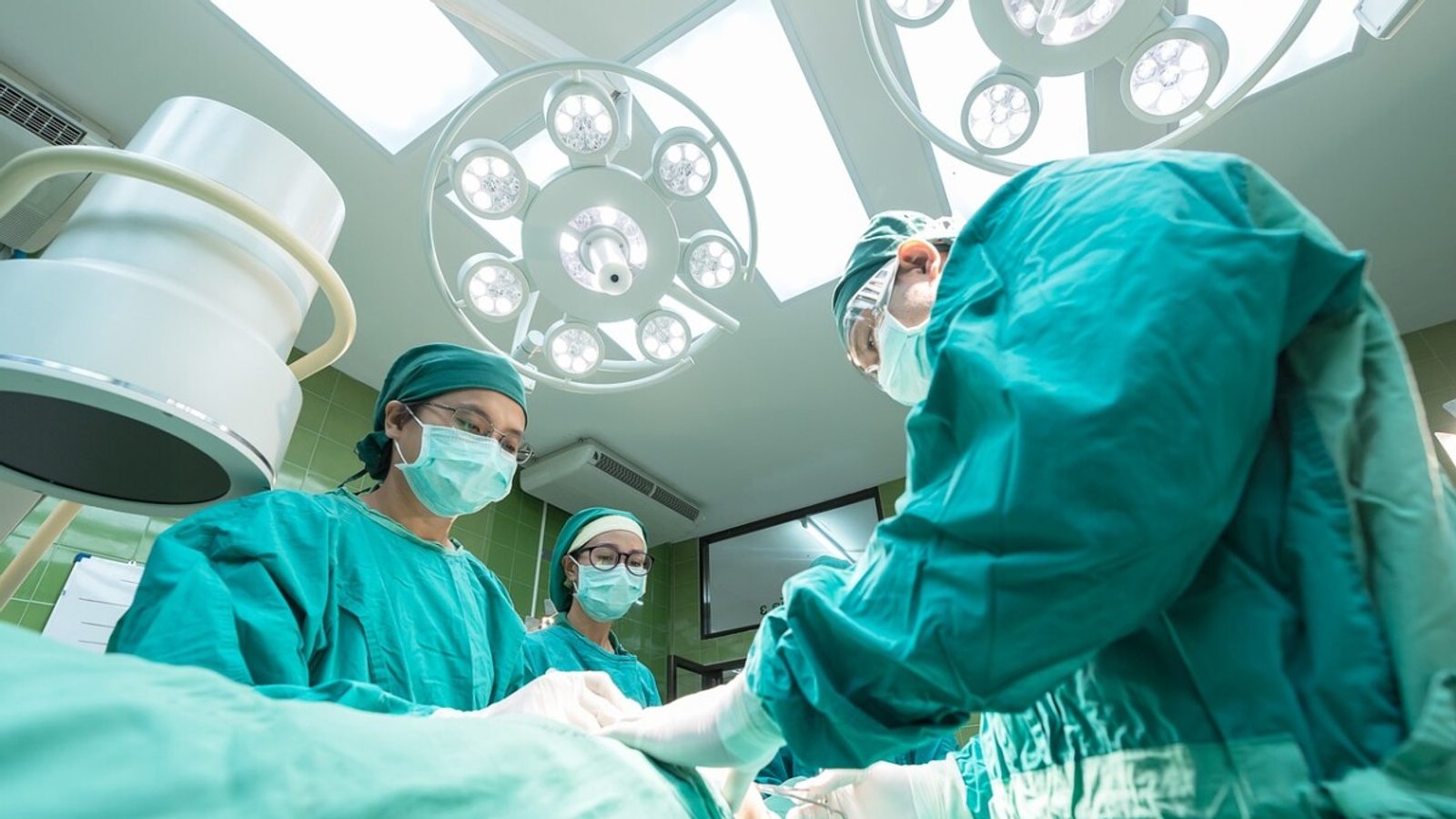
Surgeons inserted an endoscope through the nose to reach the tumour. The team says that determining the safest route to remove tissue is difficult because anatomy varies between patients; before the operation there was a 25–50 percent chance the tumour would not be completely removed and a 0.5–2 percent risk of injuring a major blood vessel.
The AI system analysed the live video feed during surgery, tracked instruments and marked where vessels and nerves were most likely to lie, while also indicating the safer zones to approach the tumour. The researchers trained the algorithm on hundreds of recorded pituitary operations, labelling vessels and nerves frame by frame so the model could learn to recognise structures that are often invisible to the naked eye.
Professor Hani Marcus, who took part in the operation, described the tool’s scope: "The system is trained on more operations than most surgeons will see or perform in their entire careers and can serve as an additional, expert pair of eyes." He added that unlike other experimental AI tools, this one operates in real time and is offered purely as assistance while surgeons retain full control.
Hibert, who had first noticed symptoms after fainting and having a seizure, said the technology made a clear difference. "From the point of patient safety, I absolutely see the benefit of this technology. In the head we don't have any signposts that would give doctors such information," he said. He also described the impact the tumour had on his daily life: "For eighteen years, as long as we've been married, I always used to get up and make my wife a coffee. I wasn't going to let this tumour stop me doing that."
In the eight weeks after surgery Hibert reported steady improvement in his peripheral vision and said: "My energy has come back and all the symptoms I had before the operation have gone. My life has come back." The project is funded by the National Institute for Health and Care Research and by Google, and the team plans a larger clinical trial after years of laboratory testing.
James Frith, the minister for health innovations, welcomed the result and called the operation "life‑changing" for Hibert, noting it took place within a state research programme.
Photo: Pixabay