Dr. Natasha Turner’s hormone diet: six-week plan to rebalance hormones
A three-phase, six-week regimen that removes specific foods, recommends supplements and adds exercise to restore hormonal balance.
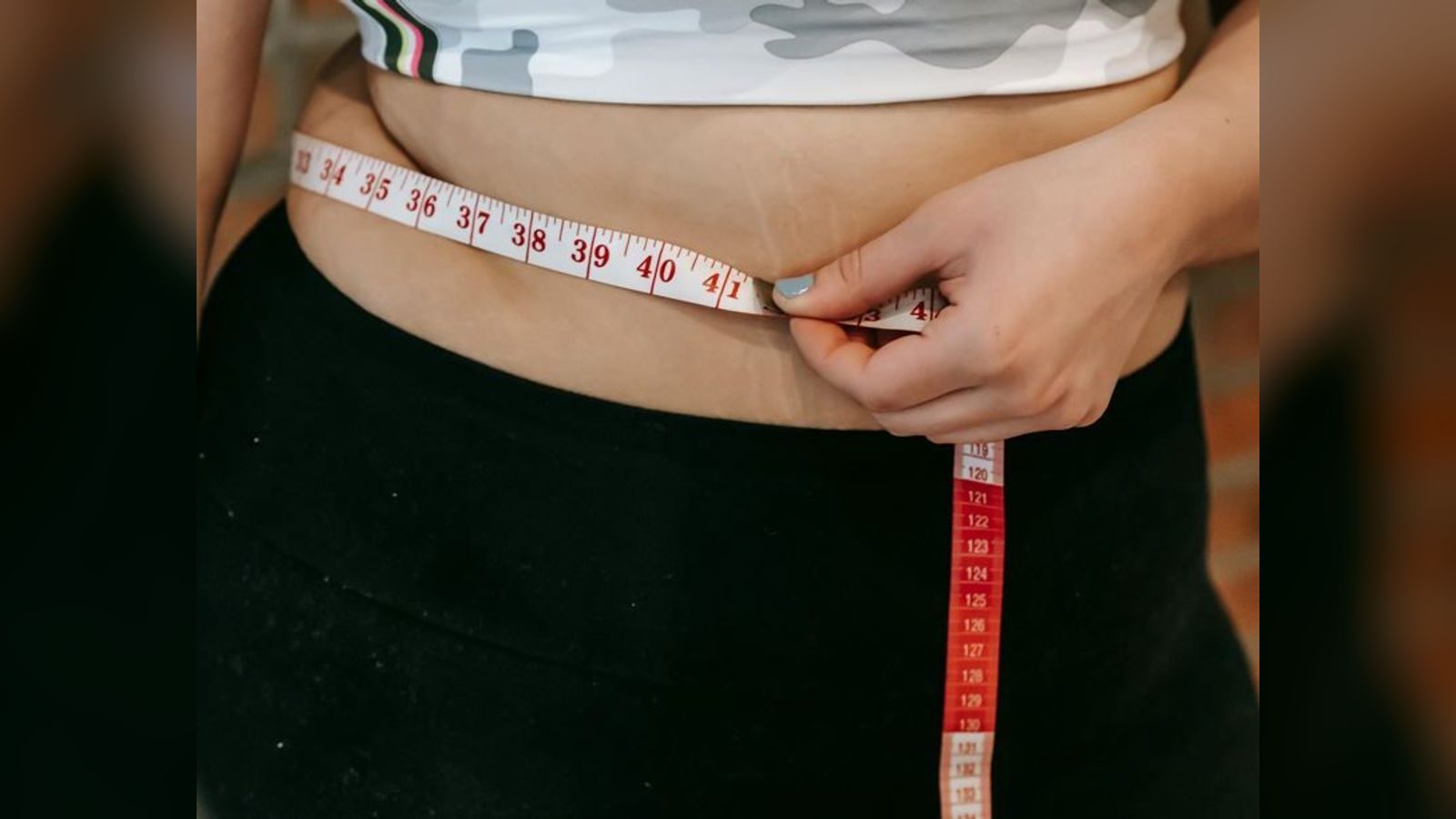
Dr. Natasha Turner’s six-week “hormone diet” has become a lifestyle trend by promising weight loss through restoring hormonal balance rather than strict calorie cutting. The program argues that hormones such as insulin, cortisol, estrogen, progesterone, testosterone and thyroid hormones determine appetite, fat storage and how the body responds to food — and that addressing them directly can help overcome persistent weight.
The plan is divided into three distinct phases. The opening two-week phase functions as a deep detox: participants eliminate a wide range of foods thought to disturb hormone regulation. The banned items include gluten, cow’s milk and dairy products, alcohol, caffeine, sugar, artificial sweeteners, peanuts, red meat, citrus fruit and certain oils. Allowed foods in this stage are fresh vegetables, a variety of fruits, nuts, seeds, gluten-free grains, fish, chicken, eggs, soy, and selected sheep and goat products; the regimen also recommends supplements such as probiotics, fish oil and turmeric.
Gradual reintroduction and longer-term rules
During the second phase, foods excluded in the detox are reintroduced gradually while the individual monitors how their body reacts. The program emphasises permanent avoidance of ultra-processed products, items containing high-fructose corn syrup, non-organic meat, raisins, dates and artificial additives. Its nutritional philosophy blends Mediterranean-style choices with attention to glycemic load, prioritising healthy fats, vegetables and foods that minimise blood-sugar spikes.
The final phase shifts focus from short-term restriction to a sustainable lifestyle. It keeps the dietary principles from phase two but adds a structured exercise component — combining cardio sessions with strength training — to support both physical and mental health. The plan endorses an 80/20 approach: follow the protocol about 80% of the time and allow more flexibility the remaining 20%.
Nutrition professionals quoted in discussions of the diet warn that hormones cannot be fully “reset” by a single eating plan. They say cleaner, less-processed food can reduce inflammation, stabilise blood sugar and improve energy, but people with diagnosed hormonal or medical conditions should consult a physician or qualified nutritionist before making significant changes.
Photo: press material from the event