ANB director defers to government over draft repeal of Coordination Law
Bojan Hristovski avoided detailed comments at a joint press conference and said the reform is a political process led by the Government.
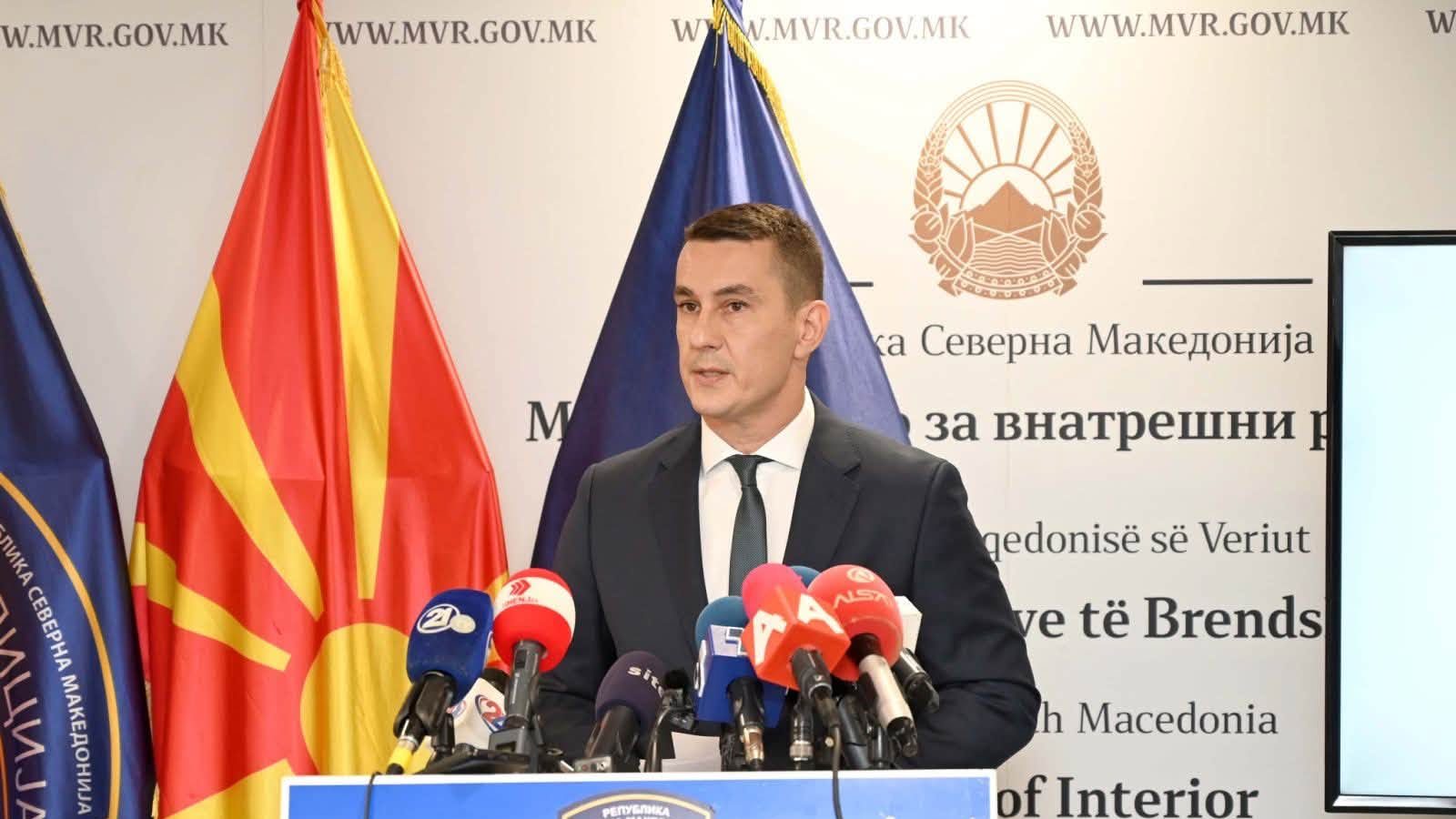
Bojan Hristovski, director of the Agency for National Security (ANB), declined to give detailed answers about the government’s draft law that would repeal the Law on Coordination of the Security‑Intelligence Community, saying the matter is a political process led by the Government.
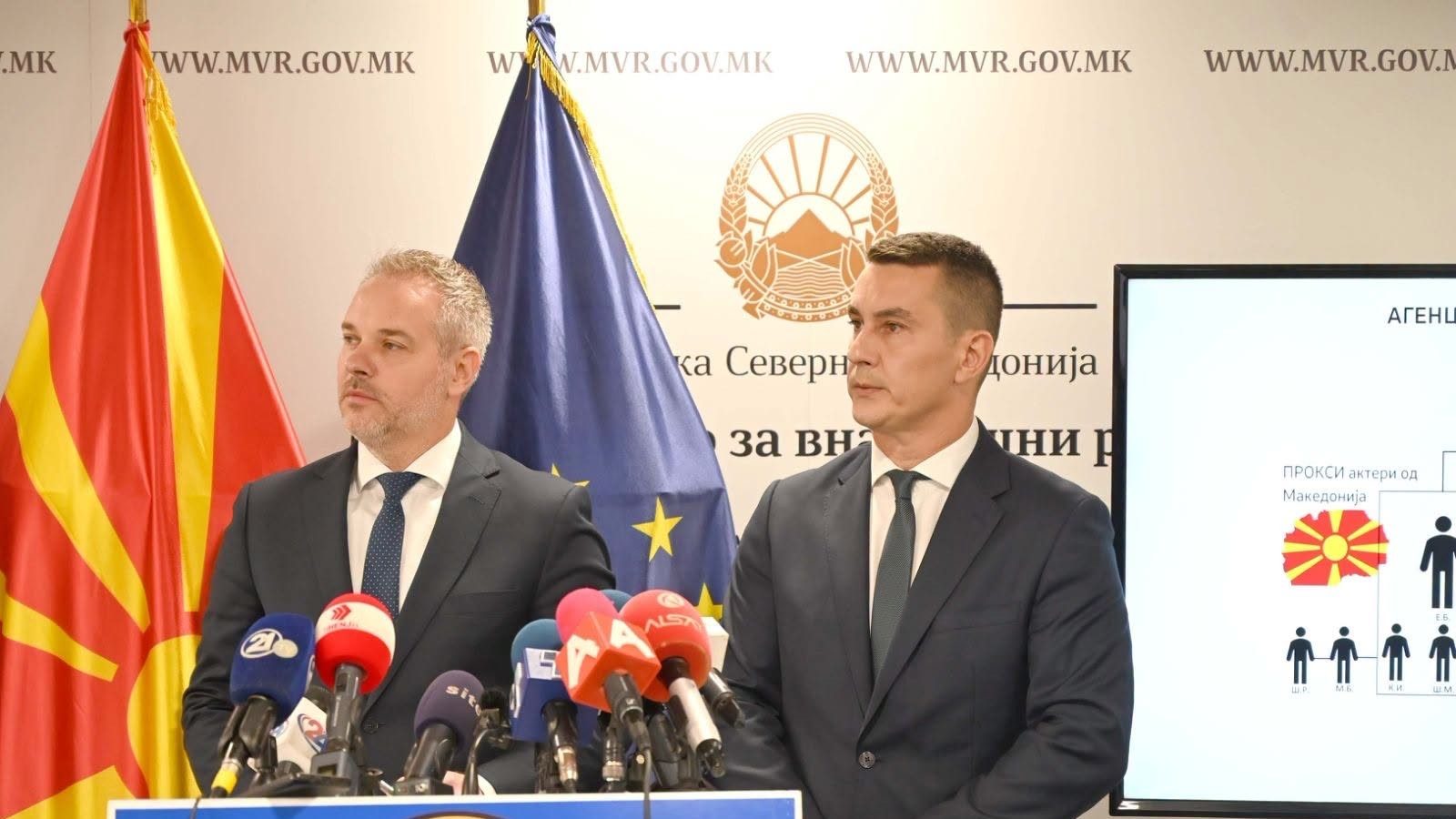
Speaking at a joint press conference with the director of the Bureau for Public Security (BPS), Aleksandar Janev, Hristovski said the agency has responded to requests for opinions from relevant state actors only to the extent it could participate, and urged patience until the Government presents its position.
"That is a political process led by our Government. We have replied so far to all requested opinions from relevant actors in the country related to that process to the extent we can be part of it, and I would not go further or deeper, because after all this is a sensitive process about which the Government has not yet taken a detailed position. My message would be to have patience and wait to see what the Government has to say about it," Hristovski said.
What the government draft contains and the timeline
The draft law aimed at fully repealing the 2019 coordination statute arrived in Parliament on 15 October, after it was approved at a government session on 13 October. The government’s review of the law began in September 2025, when it tasked the Ministry of Internal Affairs (MIA) to provide an opinion on its justification.
The government document notes that the Law on Coordination, adopted in May 2019, is conceptually aligned with EU and NATO standards but has suffered from limited implementation in practice. The Ministry of Internal Affairs concluded the limited implementation stems from "institutional distrust, narrow scope and lack of operational capacity." The draft reduces the coordination mechanism to a two‑article law and does not specify what, if anything, would replace the Council for Coordination.
At the press conference Hristovski redirected a direct question about the MIA’s wording that "institutional distrust" had undermined practical application: "Where you have seen and heard that, I think you should direct the question there," he said. He also referred questions about physical separation of ANB from the MIA to the executive branch.
Hristovski defended the agency’s openness to oversight, saying he has repeatedly invited oversight bodies to inspect ANB work and that they have the legal right and obligation to monitor the agency at any time. "Not only are we open to oversight, but I personally have publicly invited the oversight bodies that exist in the country several times, and according to the law they have the right and obligation to monitor the Agency's work at any time, with or without notice, to come and check everything that the law allows them to check," he said.
On questions about alleged partisan appointments to oversight bodies, Hristovski said he had not heard such claims before and asked for concrete examples. He noted that polygraph testing was introduced after he took office: although the 2019 Law on ANB required mandatory polygraph testing for hires and integrity checks, Hristovski said that provision was not implemented until 2024 when he became director.
Photo: MVR