Houthis threaten further strikes after Aramco office in Dhahran hit
Attack on October 13 damaged an Aramco administrative building in Dhahran; Saudi interceptions and airport disruptions followed.

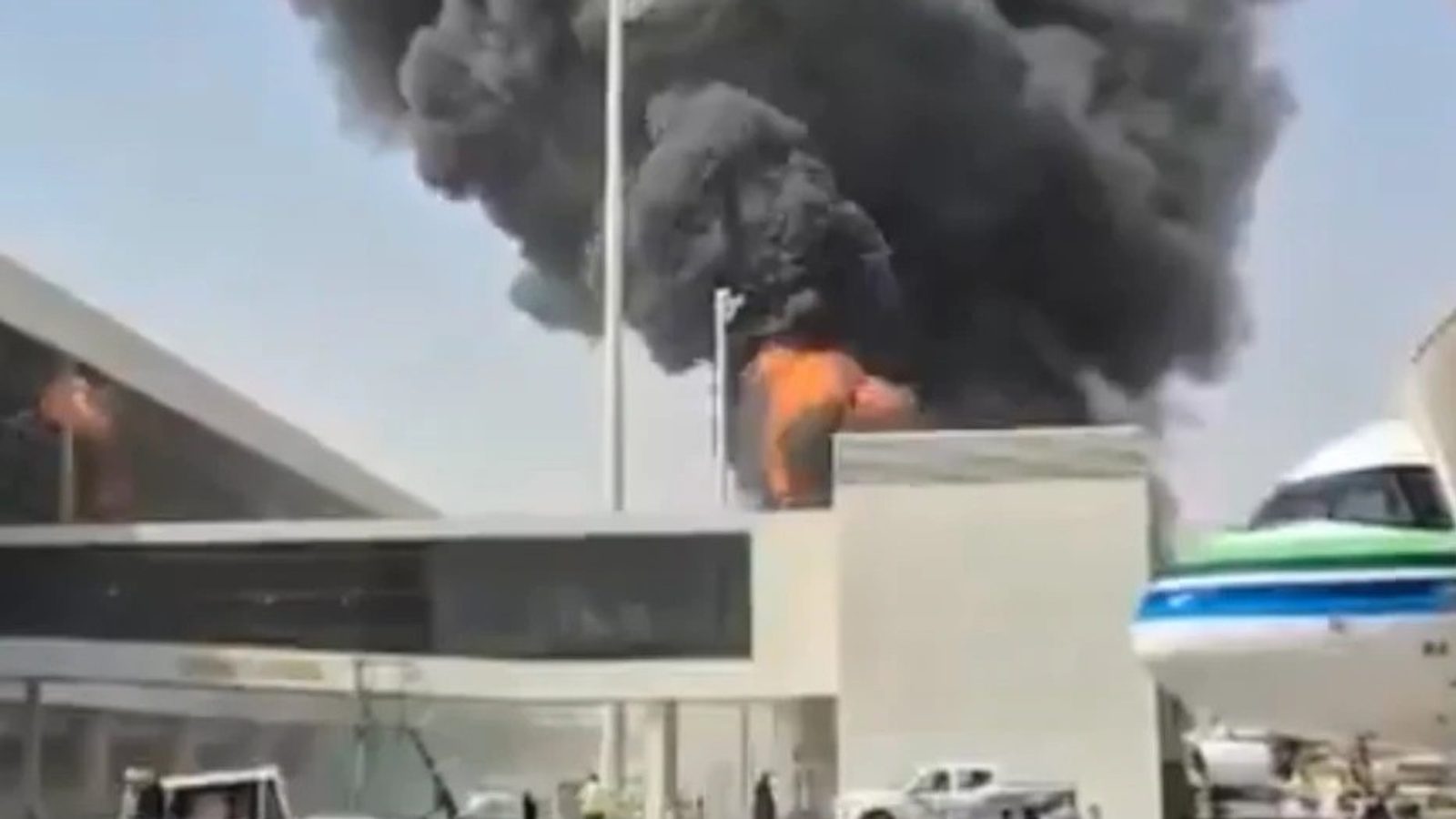
Houthi forces have warned of further attacks on Saudi airports and oil infrastructure after a rocket strike on October 13 damaged an administrative building inside the Saudi Aramco complex in Dhahran, Saudi authorities said. The Ministry of Energy reported a limited fire at the office building and said there were no casualties.
Escalation affects flights and prompts military interceptions
The Saudi-led coalition announced it intercepted a ballistic missile aimed at the capital, and authorities reported debris from two intercepted missiles fell into residential neighbourhoods, injuring four people and destroying 15 houses.
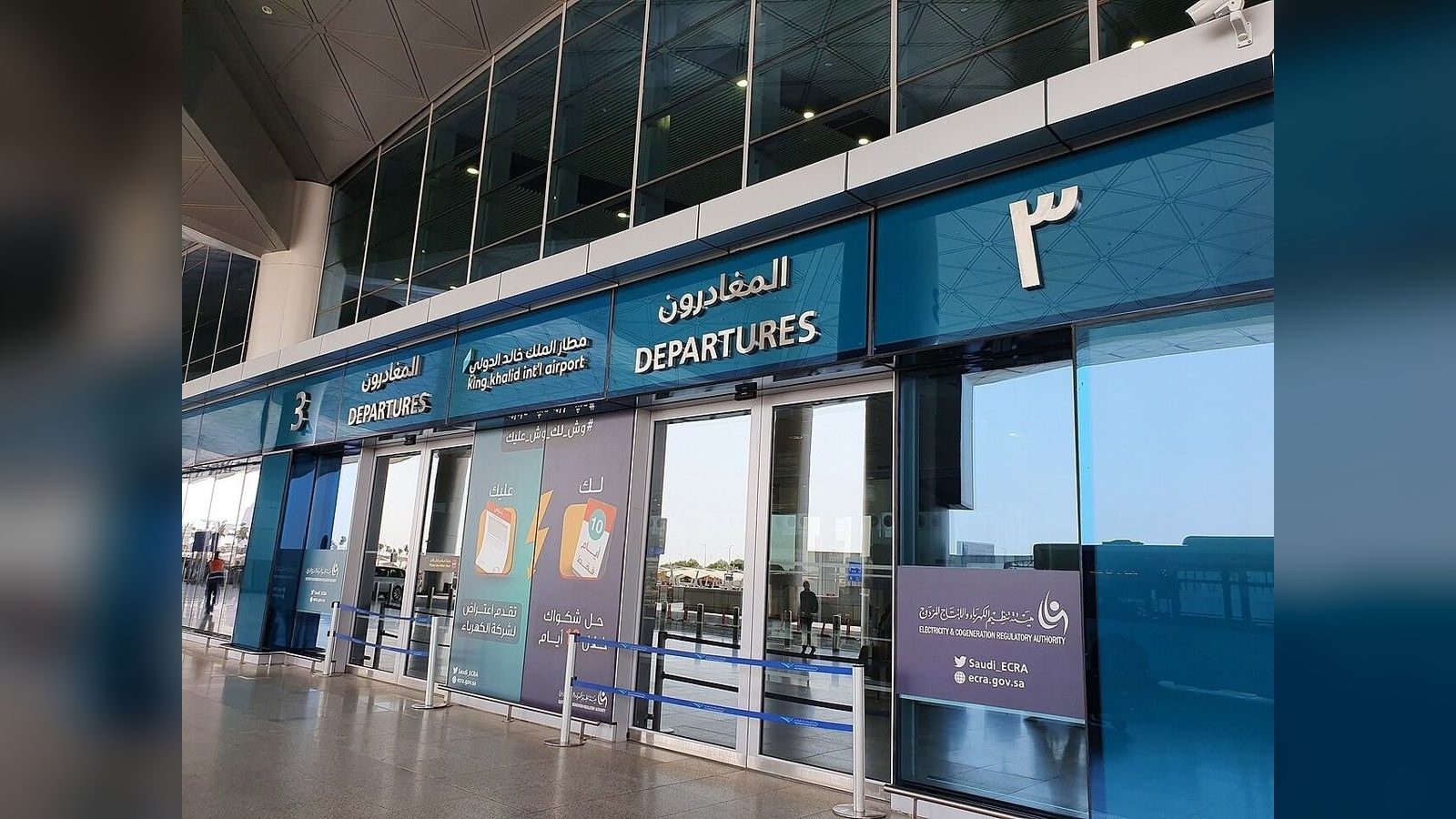
The Houthis' military wing said its attacks have used ballistic and cruise missiles as well as unmanned aircraft, and named potential targets including Aramco sites in Dhahran and Riyadh, a refinery in the capital and King Khalid International Airport. The movement urged civilians, workers and shipping companies to take precautions and stay away from locations that could be targeted. There is not yet confirmation that all of the listed facilities were hit.
Witnesses said a rocket struck a business tower inside the Aramco complex and that flames spread to upper floors; two sources familiar with the events confirmed the building sustained partial damage. Dhahran is one of Aramco's main administrative and commercial centres and remains central to operations tied to oilfield development, processing, pipeline transport and exports. Despite the incident, operations have continued, though some employees stayed home.
Operational disruption has already hit civil aviation. King Khalid International Airport in Riyadh temporarily restricted operations, cancelling or diverting flights. Data from Cirium show that on October 8 more than 3,120 flights scheduled to depart from Saudi airports were cancelled or suspended — about 41 percent of planned services for that period — and on October 14 over 300 additional departures were cancelled.
“Repositioning aircraft is not unusual when security conditions change,” said Matthew Bory, director of intelligence analysis at Osprey Flight Solutions, a risk-assessment firm for the airline industry. He added the risk is heightened by the possibility of aircraft being struck by missiles in a conflict zone; insurers and government advisers have also recommended moving some planes.
The Saudi-led coalition has also struck Sanaa, the Houthi-held capital, saying attacks targeted facilities used to store missiles and drones near the city centre. A coalition spokesperson, Major General Turki al-Maliki, said the sites were being used for such purposes. The local oil company said its warehouses were empty and that the strike would not disrupt fuel supplies.
Analysts warn the renewed hostilities — part of the wider conflict that intensified in 2015 when the Houthis seized Sanaa — carry risks for the global economy and maritime trade. Riyadh has reiterated it will respond to threats to its security and stressed the importance of freedom of navigation through the Red Sea and the Bab el-Mandeb strait.
Photo: press material from the event