Thousands across Europe protest over cost of living, housing and education cuts
Demonstrations from France to Albania have sometimes turned violent, producing arrests, injuries and large material damage.
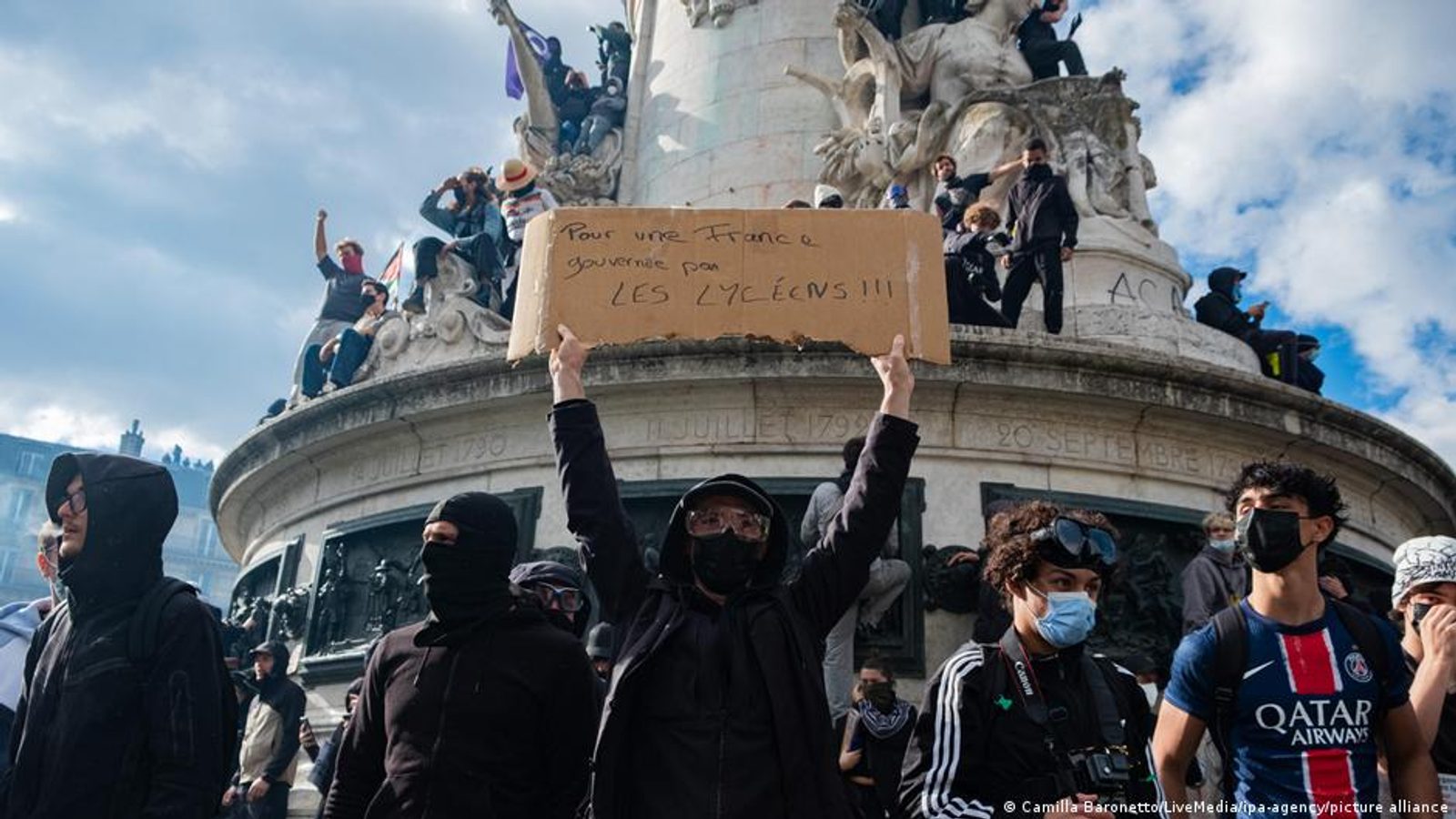
Thousands of people across Europe have taken to the streets in recent weeks to protest rising living costs, housing shortages and planned cuts in education budgets. Demonstrations have appeared from France and Belgium to Portugal, Spain, Italy, Greece, Austria and Albania, and in several places peaceful rallies have turned into violent clashes with police.
Where and why: a country-by-country snapshot
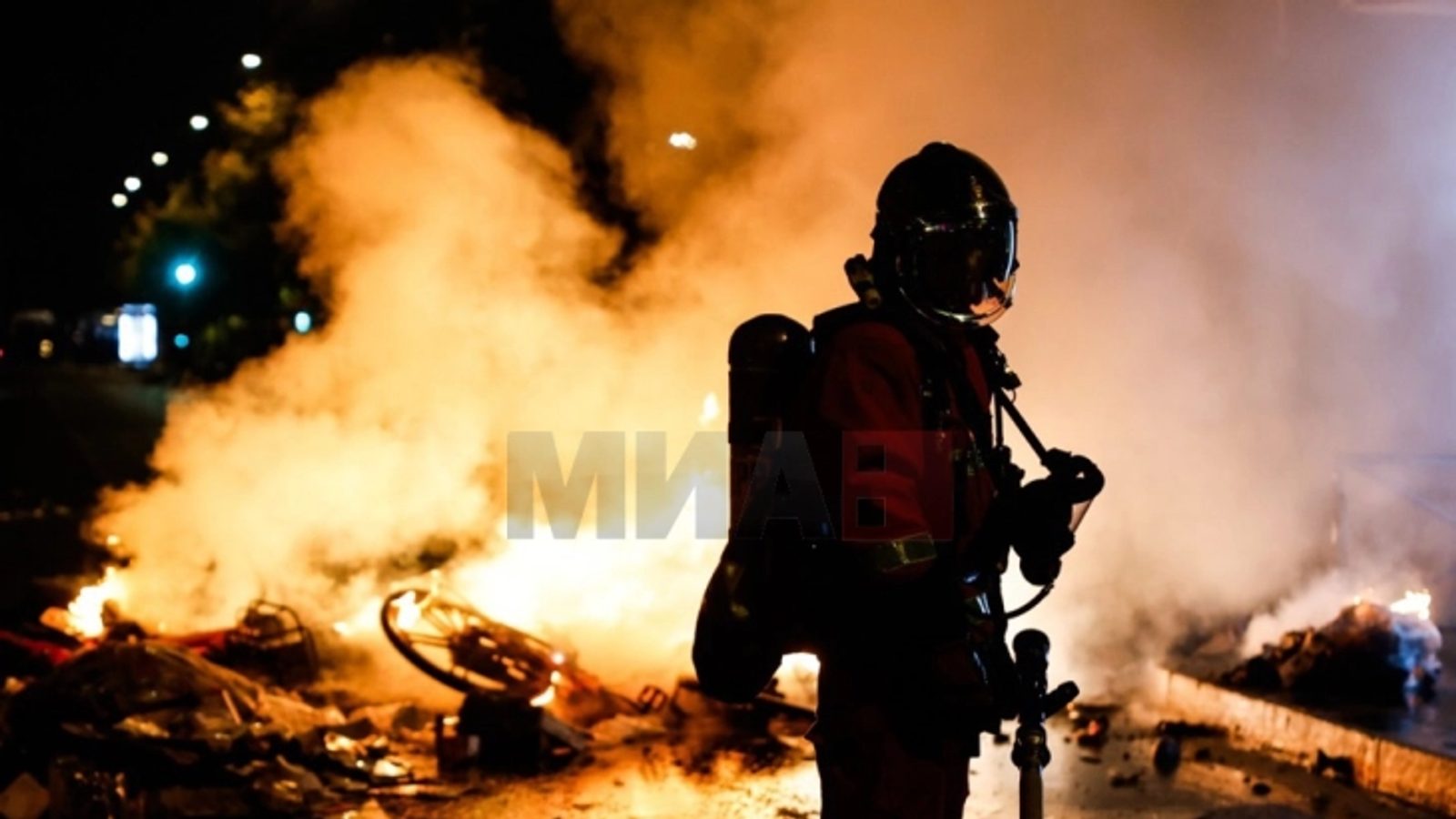
France was the initial flashpoint: the wave began at Lycée Antoine de Saint-Exupéry in Créteil, southeast of Paris, where teachers who had been striking since mid-September were joined by pupils. The movement spread through Paris and beyond. According to Interior Minister Laurent Nunez, at least 550,000 people were on the streets across France on Saturday, 17 October. Protests that began peacefully escalated in several cities: shops were looted, cars and bins set alight, and in Limoges a municipal building dating from 1883 was damaged. Authorities say around 1,800 people were arrested and more than 500 police officers and firefighters were injured.
In Belgium the unrest followed school blockades in Liège on 1 October and large union demonstrations in Brussels on 9 October. Additional gatherings on 12 and 17 October led to violent confrontations between young demonstrators and police. Protesters are opposing austerity plans by the Belgian government amounting to about €10 billion, including a cut of €500 million in the francophone education sector through 2029 and measures such as higher tuition fees and the removal of cheap youth bus tickets.
In Milan masked demonstrators clashed with police, looted shops and threw stones, while makeshift barricades made from café tables were set on fire. Mayor Giuseppe Sala said: "The reasons for the protests were understandable. But the violence against police and the heavy material damage to the city cannot be justified."
Portugal has seen tens of thousands demonstrate over the squeeze on housing and surging rents. A European Commission report from June this year found nominal property prices in Portugal rose by 130 percent since 2013. At the same time, new-contract rents increased by 10.2 percent year-on-year, the Portuguese National Statistics Institute reported.
Spain’s housing crisis has also produced sustained protests. Public anger rose after the eviction of 87-year-old pensioner Maria del Carmen Abascal, who was forced to leave a flat she had lived in for 70 years on 23 September; a reprieve allowing her to return under conditions was arranged days later, but she died on 7 October. Since then hundreds have camped in Madrid’s Puerta del Sol demanding stronger tenant protections; authorities closed the Sol metro station on Friday citing unsanitary conditions.
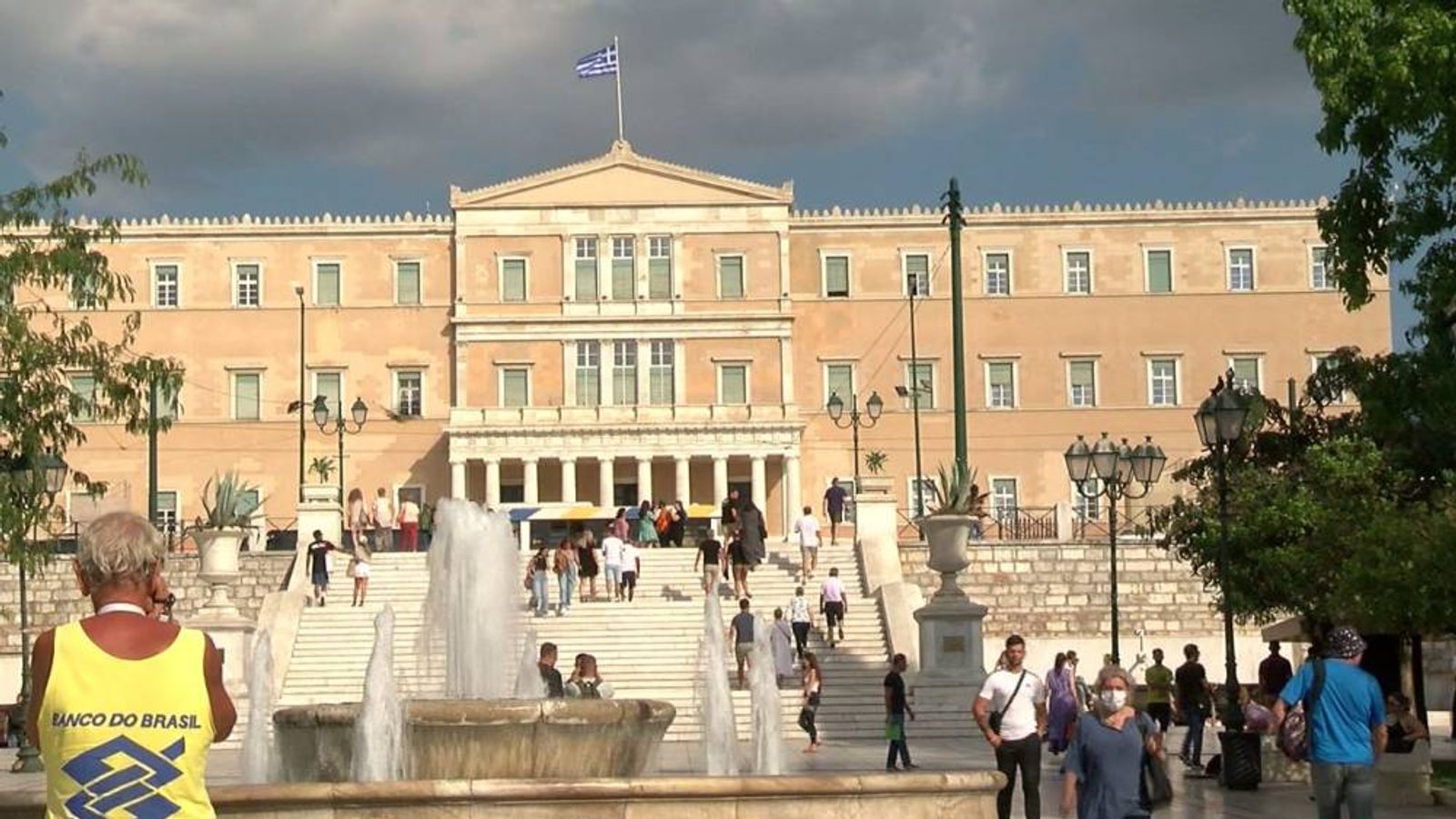
Across the Balkans and the wider region, other causes have driven protests: in Albania the "Flamingo" movement opposing a luxury coastal resort has evolved into an anti-government campaign demanding Prime Minister Edi Rama’s resignation — clashes on Saturday saw stones, petrol bombs, signal flares and fireworks thrown at police, who replied with tear gas, water cannon and batons. In Greece, students set up a tent camp in front of parliament on 13 October and unions have called a national strike and demonstrations for 21 October. In Austria, on 13 October some 6,000 students and academic staff protested potential cuts to university budgets; student representatives earlier collected 60,000 signatures for an online petition titled "Save the universities – No cuts to universities" against possible savings of about €1 billion in the next three-year higher-education budget. In Serbia, nearly two years of student protests that followed the collapse of a station canopy in Novi Sad — an accident that killed 16 people — continue to press for political change; President Aleksandar Vučić has called early elections due on 25 October. Some reports have even stated: "President Vučić resigned from office."
Photo: press material from the event