Indonesia uncovers luxury prison apartments at Cibinong jail
Unannounced inspection uncovered over ten air‑conditioned units; officials suspended staff and ordered demolitions.
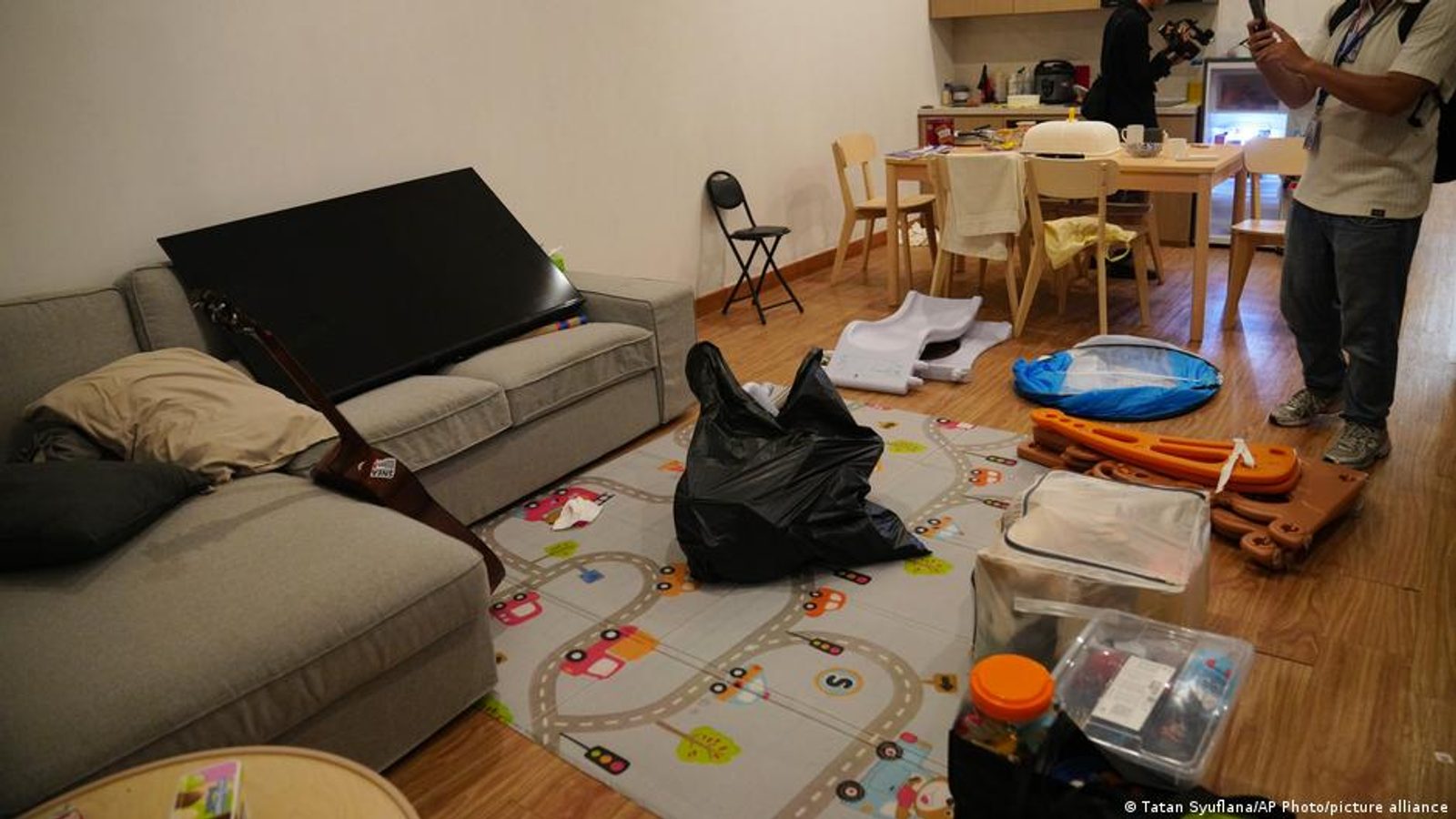
Indonesian authorities disclosed in September that unannounced checks at Cibinong prison, near Jakarta, uncovered a string of luxury residential units inside the facility, reopening debate over inequality and corruption behind bars in Southeast Asia.
What inspectors found
Investigators say they discovered more than ten air‑conditioned units furnished with refrigerators, sofas and televisions; reports also mention a separate room intended for prolonged stays and plans for a gym. Authorities ordered the demolition of ten illegally constructed buildings after the inspection, suspended five prison officers and removed the prison warden from his post on October 5.
The discovery has prompted immediate questions about whether inmates paid for preferential treatment and who benefited from any payments. Similar scandals have surfaced across the region: Indonesian anti‑corruption investigators previously documented luxury accommodation for wealthy inmates at Sukamiskin prison in Bandung in 2018, and recent allegations in Thailand and Malaysia have focused attention on VIP treatment and political ties in prisons.
Commenting on the phenomenon, Iva Maulana of the Center for Detention Studies (CDS) in Indonesia said: "Just as outside prison, money and influence act as a form of capital inside the prison system. Powerful prisoners typically do not lose their wealth and often keep links to influential people."
Nasrul Ismail, a criminologist at the University of Bristol who has researched prison management in Malaysia, Thailand and the Philippines, warned that corruption and political interference can be drivers of unequal treatment. "Corruption and political interference can explain some of the cases," he said, adding that opaque decision‑making inside facilities creates room for personal connections and money to shape who receives better treatment.
Overcrowding and scarce resources create fertile ground for such practices. Official figures show about 279,000 people were held in Indonesian correctional institutions at the end of September, while regular capacity is roughly 154,000 places. Thailand, for example, had roughly 301,000 prisoners at the end of 2025—about 21 percent over its nominal capacity, according to World Prison Brief.
Calls for reform point to several remedies: independent inspections, greater transparency about housing and transfers, stronger protections for whistleblowers, expanded capacity and better staff training. Experts also argue that long‑term change requires shifts in criminal justice policy—using alternatives to incarceration more decisively—to reduce overcrowding and the institutional pressures that enable privilege for the well connected.
Photo: press material from the event