Iran and Oman close to deal on safe passage through Strait of Hormuz
Tehran says a temporary maritime route with Oman could be registered with the International Maritime Organization in the coming days.
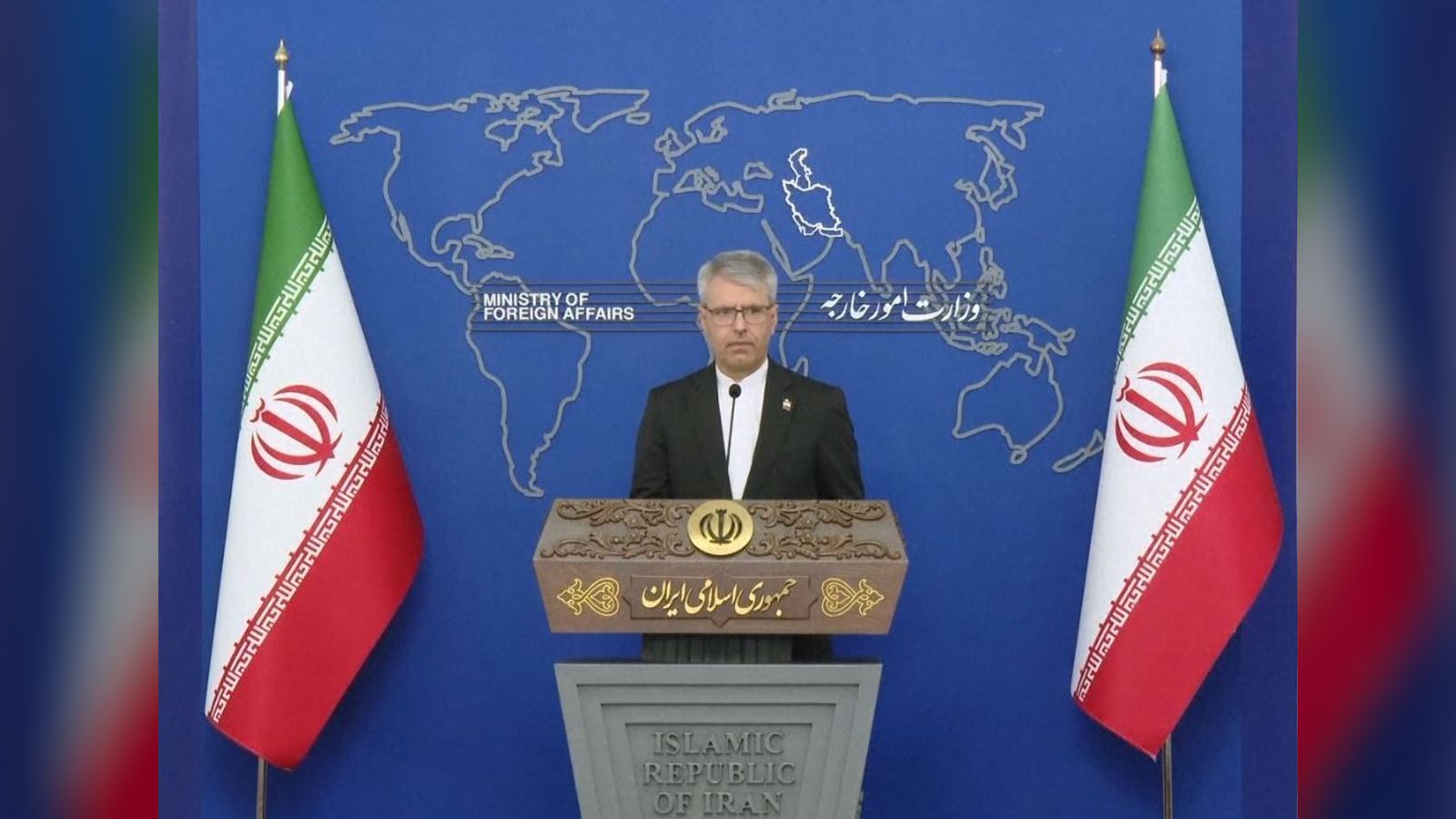
Iran announced that talks with Oman to set up a temporary secure maritime lane through the Strait of Hormuz are in their final stages, the spokesman for Iran's Ministry of Foreign Affairs said. Ismail Bagaei added that the agreement could be registered with the International Maritime Organization in the coming days.
Tehran frames the deal as a short-term measure amid rising regional tensions
Iran has repeatedly asserted control over parts of the Strait of Hormuz, a chokepoint crucial for global oil and gas shipments. Officials in Tehran say a formal arrangement with Muscat would help protect commercial traffic while broader security concerns persist.
Authorities describe the planned pact with Oman as a temporary workaround designed to secure shipping lanes at a time of increased military activity in the region. Tehran presents the arrangement as a way to reduce risks to merchant vessels without addressing the underlying geopolitical disputes.
In his remarks, Ismail Bagaei warned South Korea and other states against joining U.S. military operations, arguing that such participation would heighten instability. He framed the advisory as part of Tehran's broader critique of foreign military involvement in neighbouring waters.
Bagaei also criticised the possible move by the United States, the United Kingdom, France and Germany to bring Iran before the UN Security Council over alleged violations of nuclear commitments. He described that step as counterproductive to regional stability.
How Oman and other regional and global actors respond to the proposed agreement will shape short-term security conditions in the Strait of Hormuz. Registration with the International Maritime Organization would give the arrangement an international administrative footing, though it would not by itself resolve the deeper political disputes that drive tensions.
Photo: press material from the event