Iran confronts the "Ormuz paradox"
Tehran faces growing debate: is the Strait of Hormuz still a durable bargaining chip or a fading asset under new sanctions and regional rerouting?
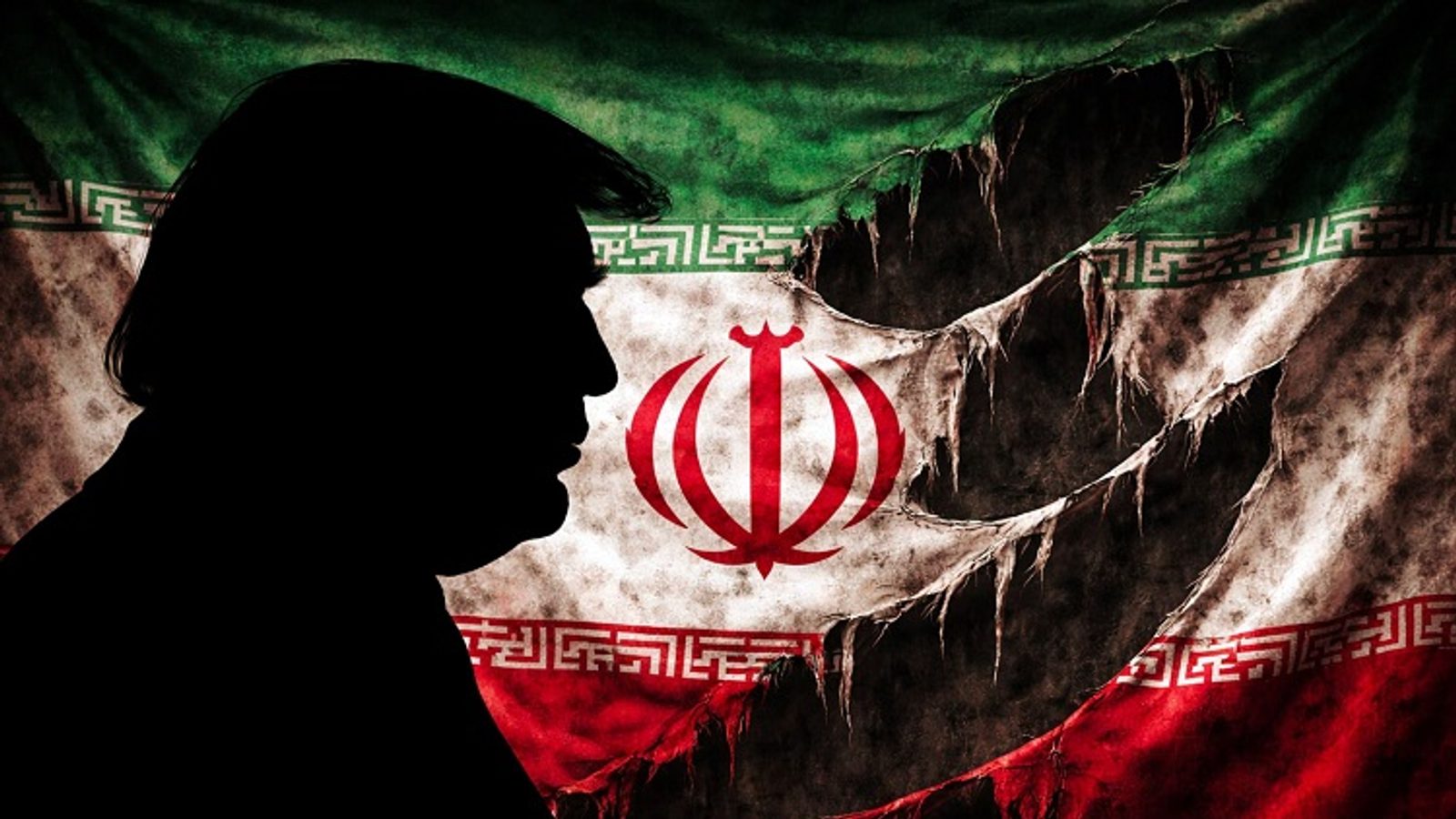
Iran is confronting what analysts inside the country and abroad are calling the “Ormuz paradox”: a moment when the Strait of Hormuz — long presented in Tehran as a strategic trump card — may be losing value as a lever against global trade, even as new U.S. sanctions intensify pressure on the Iranian economy.
Debate in Tehran has hardened around whether the strait can continue to underpin Iran’s negotiating strategy. Some voices warn that repeated threats to disrupt traffic could erode the strait’s deterrent effect and leave Iran exposed to economic squeeze; others argue the waterway still gives Tehran significant bargaining weight.
Domestic signals and blunt warnings
Two of the country’s leading officials have spoken unusually plainly about the economic cost of sustained confrontation. Speaker Mohammad Bagher Ghalibaf warned that, despite Iran’s military capabilities, the country will not survive “if people are hungry” and that security cannot be preserved without a functioning economy; he added, as a man with military experience, “we know the value of peace better than those who talk about peace.”
President Masud Pezeshkian said simply that “the war must end at some point,” urging Tehran to seek a settlement while it still believes it can negotiate from strength rather than wait for its leverage to erode. Abdolnaser Hemmati, governor of the Central Bank, likewise aired alarm on television: “At the same time we face four or five big challenges, among them maximal sanctions, blockade, interruption of oil exports and budget imbalance, and each of them is exerting pressure on the economy. One of the neighbouring countries told me that if one fifth of what happened in our country happened there, they would no longer be able to manage the state.”
Those warnings reflect pressure felt by ordinary Iranians and a growing recognition that the strait, while still useful, cannot serve as a permanent security doctrine.
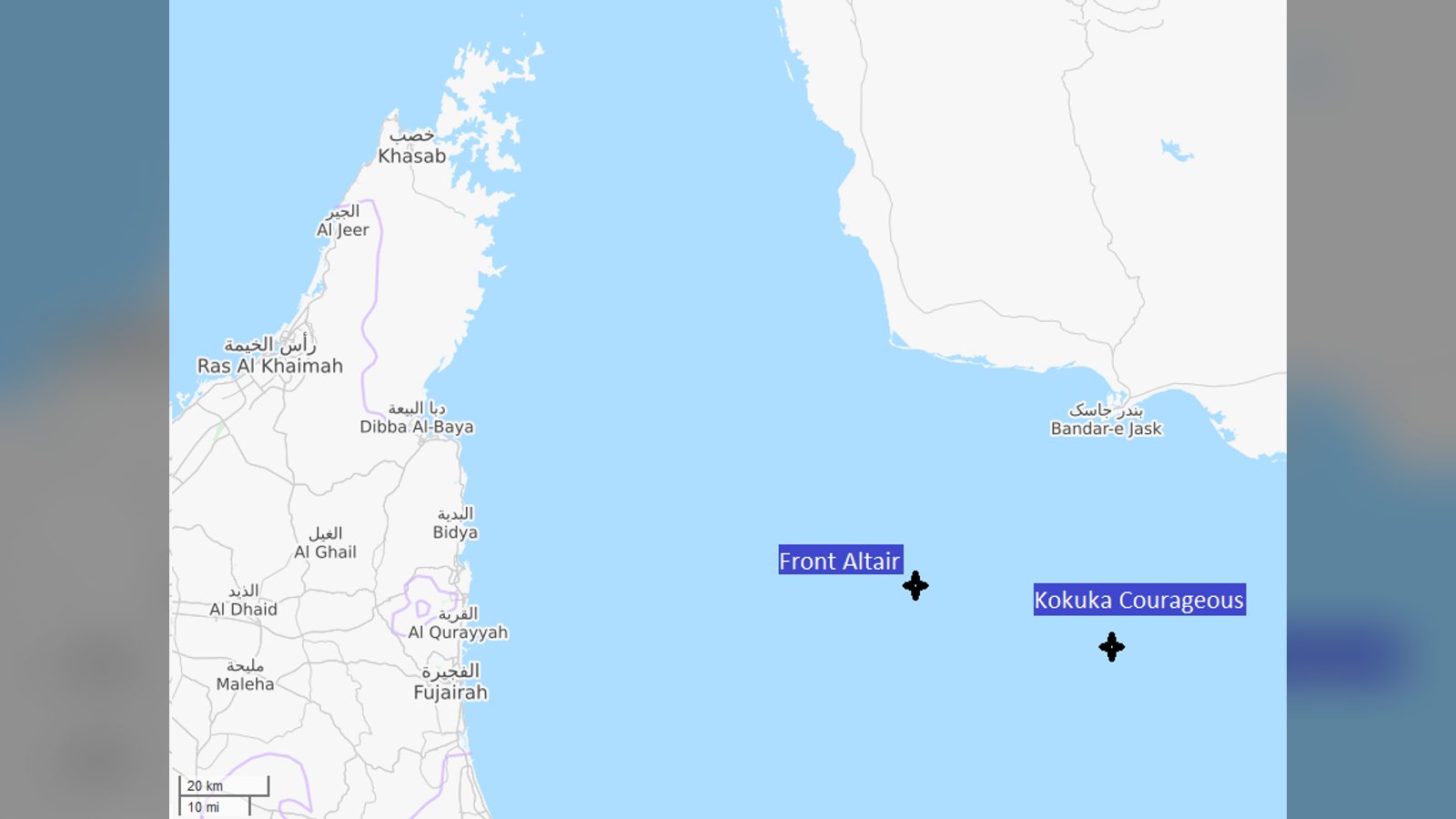
Maritime tracking data underline the shift in trade patterns. Kepler counted just 112 oil and gas tankers transiting the Strait of Hormuz between 1 and 19 August; roughly 79 percent used unverified routes, 19 percent followed the northern corridor preferred by Iran, and 2 percent took the Omani route. Many vessels listed as using “unverified” paths likely operate with transponders switched off and sail near Oman under the protection of U.S. forces; Gulf producers and Washington have also been arranging a southern transfer corridor through Oman, after which cargoes are moved onto tankers secured by buyers. Iran, for its part, has compiled a list of about 48 ships it says it will punish or bar from access.
Washington says its measures are keeping oil moving. U.S. Energy Secretary Chris Wright told officials the navy has helped move over 15 million barrels and that daily flows exceed eight million barrels; independent maritime monitors put the figure closer to six million — still less than half pre-conflict levels.
Strategic calculations about the strait are also driving regional infrastructure plans. Analyst Hamid Paktinat estimates that alternative pipelines and export routes under construction in the Gulf could cut reliance on the Strait of Hormuz sharply over the next years: Saudi Arabia’s dependence falling from 70 to 15 percent, the UAE from 50 to 15, and Iraq from 100 to 30; Oman could become a transshipment hub. Paktinat warns the strategic value of the strait could be halved within three years and nearly fade within six, a development that, combined with stepped-up U.S. sanctions on gold, crypto, technology, shipping and aviation, would further squeeze Tehran’s options.
Iran has also hosted high-level visitors in recent days — Omani Foreign Minister Badr al-Busaidi and Pakistan Army Chief Asim Munir — both seen as key to discussing arrangements for reopening the corridor and reviving a previously shelved memorandum of understanding between Washington and Tehran reached in June. Yet analysts like Hamid Asefi caution that if the threat to close the strait becomes routine, it will be politicised into habit and lose its bite. “The threat that is constantly repeated turns from ‘deterrence’ into a political habit, and the political habit, if not followed by concrete results, sooner or later leads to an inflation of threats,” he wrote, arguing Iran should shift from asking “How to make passage harder?” to “How to make passage so safe and stable that everyone needs Iran to maintain that order?”
On the other side of the ledger, former U.S. President Trump has asserted the strait is now cleared of mines and warned bluntly: “Any ship that lays new ones will be destroyed.” The coming months will test whether Tehran can convert the remaining leverage of the Strait of Hormuz into long-term influence — or whether the “Ormuz paradox” will leave its bargaining position weakened as regional partners and global markets find alternatives.
Photo: Profimedia