Iran moves to criminalize contacts with foreign institutions
Parliament is considering a 19‑article draft to tighten oversight of academic exchanges, media contacts and foreign funding; experts say it will stifle free expression and research.
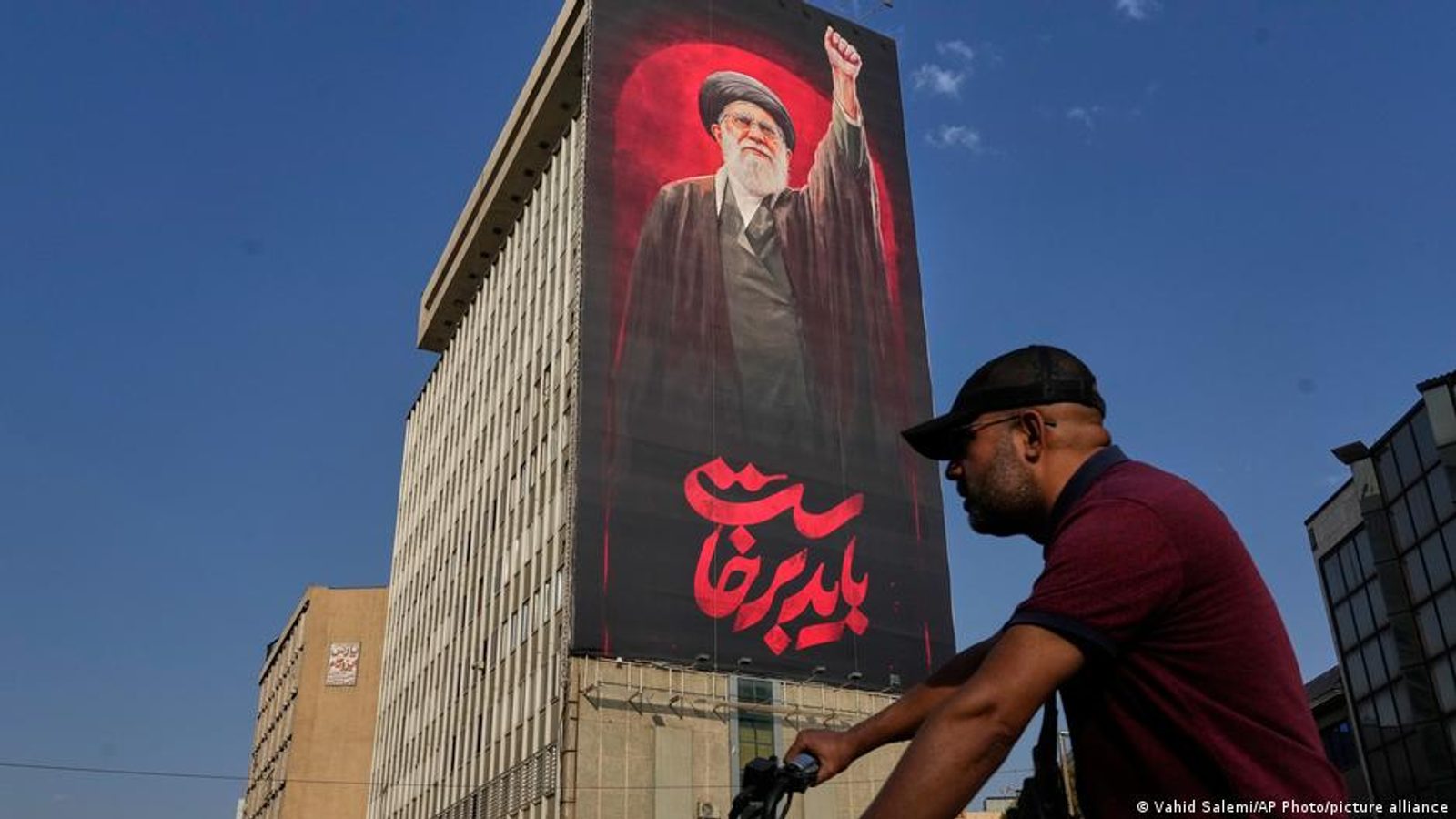
Iran's parliament has approved a draft law that would sharply limit contacts with foreign institutions, media and organizations, expanding legal tools to counter what authorities call "far‑reaching foreign influence." The proposal, introduced in a 19‑article bill now in the legislative process, would bring academic exchanges, foreign donations and interactions with international NGOs under strict state control.
Key provisions and new controls
Under the draft, the Ministry of Intelligence would be required to publish an annual list of foreign universities and institutions approved by the state; any cooperation with entities not on that list could be treated as a criminal offence. A committee made up of ministry and security representatives would have to sanction foreign donations to Iranian NGOs, associations and political parties.
Legal experts warn the measure will blur the line between legitimate cooperation and punishable activity and could chill research, journalism and civil society ties abroad. "If citizens do not know whether a conversation with foreign media, cooperation with a foreign university or exchange of information later could be considered a criminal offense, the law creates an atmosphere of fear and uncertainty," said Sina Yusefi.
Moein Hazaeli, a legal specialist, warned the draft could be turned into "another instrument to subdue political opponents and human rights activists," and added that "99 percent of the acts classified as criminal in this draft law are not criminal at all and do not justify prosecution."
Journalists and researchers are singled out as especially vulnerable. Parviz Jari said the draft would "criminalize an unprecedented range of contacts with opposition media and international organizations. In this way contacts with journalists and investigators should be prevented, the state's information monopoly strengthened, and official manipulation of public opinion intensified."
Authorities frame the bill as a response to a deteriorating security environment, heightened by regional conflict and increasing concerns about foreign intelligence operations. Officials have also pointed to recent high‑profile cases: last week a man was executed on charges of alleged espionage for Israel and the United States. Critics say the draft is less a targeted response to a concrete threat than an attempt to plug perceived security gaps by curbing civil liberties.
Photo: press material from the event