Iceland votes against restarting EU accession talks
In a referendum on August 31, 2026, 52.8% of voters rejected restarting accession negotiations, disappointing Brussels and energising eurosceptics.
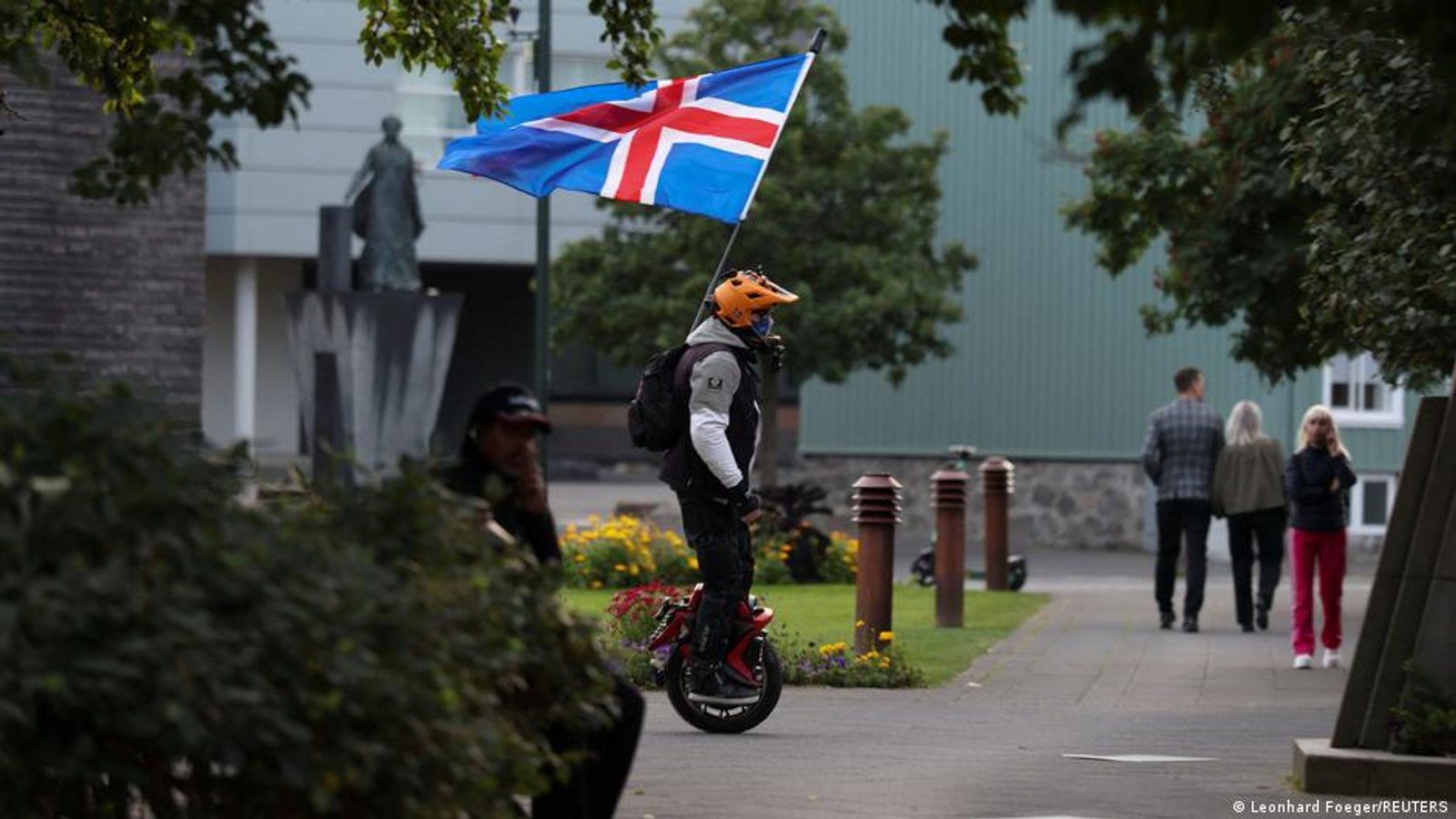
Icelanders voted against restarting accession talks with the European Union in a referendum held on August 31, 2026, handing a symbolic setback to Brussels' hopes for a fresh success in enlargement.
The result was narrow but decisive: 52.8% voted "no" while 47.2% supported resuming the frozen negotiations. The vote is likely to shelve the question for the foreseeable future.
Reaction from Brussels and European politicians
European institutions sought to respond calmly, but officials and politicians in Brussels conveyed clear disappointment. European Council President Antonio Costa told Iceland's prime minister, Kristun Frostadottir, that the 27-member bloc "fully respects the democratic choice" of Iceland's voters.
Voices from the European Parliament struck a more critical tone. Green MEP Saskia Bricmont said: "The message is clear: the EU no longer inspires people." Centrist MEP Sandro Gozi called the outcome "a warning that Europe must take seriously", arguing that the Union's "attractive power" cannot be taken for granted and that Brussels must justify citizens' trust by cutting red tape and increasing accountability.
Eurosceptic leaders hailed the result. Marine Le Pen described it as confirmation that Europe built from "free and sovereign nations" is more attractive than further integration, while Nigel Farage congratulated Icelanders for, as he put it, "voting to preserve their independence." Nicola Procaccini, co‑chair of the European Conservatives and Reformists group, said Brussels should ask hard questions about why a "prosperous, democratic and open European country" will not restart accession talks.
European Commission President Ursula von der Leyen has been scheduled to visit Greenland in September, and officials warned that the outcome complicates EU ambitions in the strategically important Arctic. Socialist MEP Kathleen Van Brempt said cooperation on Arctic security is "more important than ever" and pledged that work with Iceland will continue "openly and with respect." Her colleague Andreas Schieder added that "Iceland is and remains part of the European family" and that the task now is joint management of geopolitical pressure.
Although Iceland is deeply integrated with the EU through the European Economic Area and the Schengen zone, voters appeared unconvinced that full membership would deliver better answers to everyday concerns such as fisheries policy and currency volatility. The last EU enlargement took place in 2013 with Croatia's accession; enlargement re-emerged as a strategic priority after Russia's invasion of Ukraine in 2022, but Brussels has had few unambiguous successes since then.
Photo: press material from the event