Skopje Emergency Service to be separated from Skopje Health Centre; change begins in December
The ministry plans a separate budget, national triage protocol and a dispatch centre; 26 of 100 new ambulances are earmarked for Skopje.
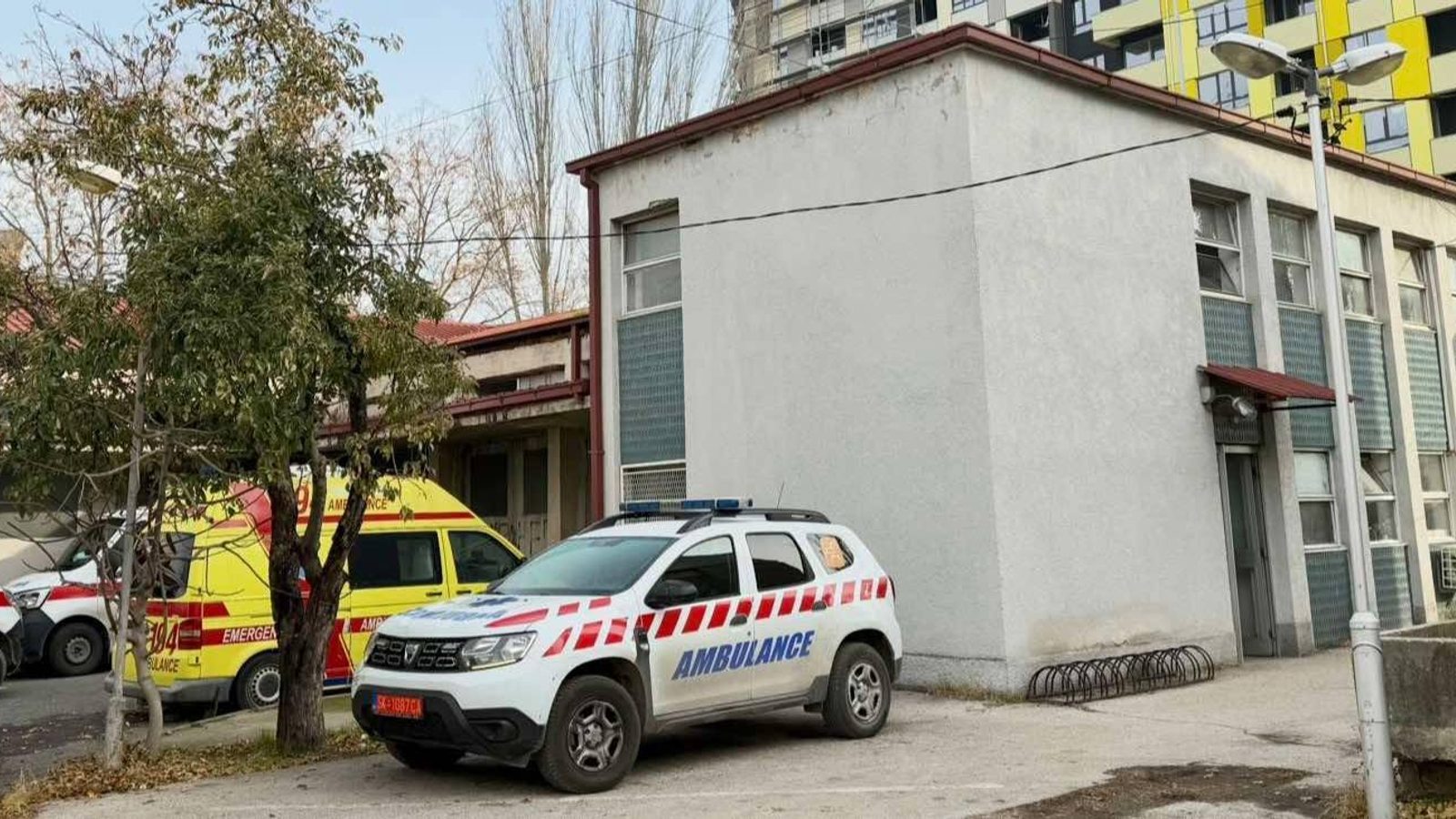
The Emergency Medical Service in Skopje will be separated from the Skopje Health Centre and set up as an independent unit with its own budget, management and faster hiring procedures, Health Minister Sasho Klekovski announced. The reorganization is scheduled to begin in December.
After visiting the Skopje Emergency Medical Service, Klekovski said the sector has been neglected for decades and that new ambulances alone will not solve the system's deeper problems.
New protocols, a national dispatch centre and more vehicles
"This morning I went to see the conditions in which the Emergency Medical Service in Skopje operates and to hear the problems firsthand, in the country's busiest EMS. I'll be direct: the conditions are poor. Premises that long no longer meet the workload, a dispatch centre that operates at the limit of its capacities, and teams who despite all that go out to the field 24 hours a day, 365 days a year," Klekovski said.
He said the first step, to be taken in December, is legally and administratively detaching the Skopje Emergency Medical Service from the Skopje Health Centre in order to ensure appropriate management, a dedicated budget and proper employment procedures. Klekovski warned that a large share of current staff will retire by 2030, so timely workforce planning is necessary.
As part of the reforms, the ministry will introduce a national triage protocol to determine urgency levels and target response times, and create a national dispatch centre to coordinate teams and vehicles across the country. That centre should allow teams from other regions to be deployed when Skopje is overloaded and improve assessments of which team can arrive fastest at a scene.
Klekovski also noted operational details: there are 243 emergency teams nationwide, but the Skopje service carries extra burdens such as medical coverage for large events, protocol visits and transport of patients from abroad. He highlighted shortages of drivers and said the ministry is considering sending paramedics to work within fire departments, with training programs prepared.
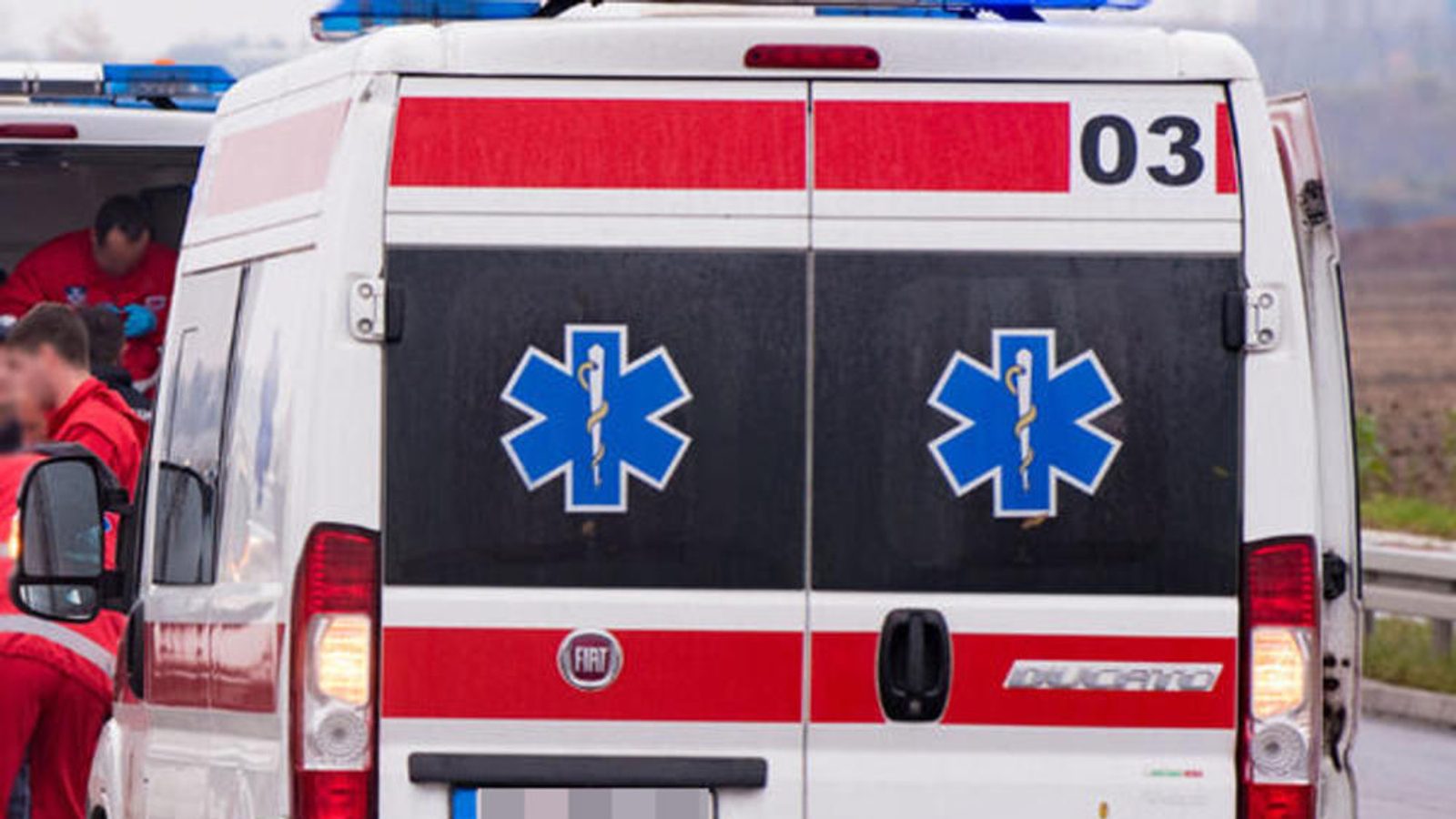
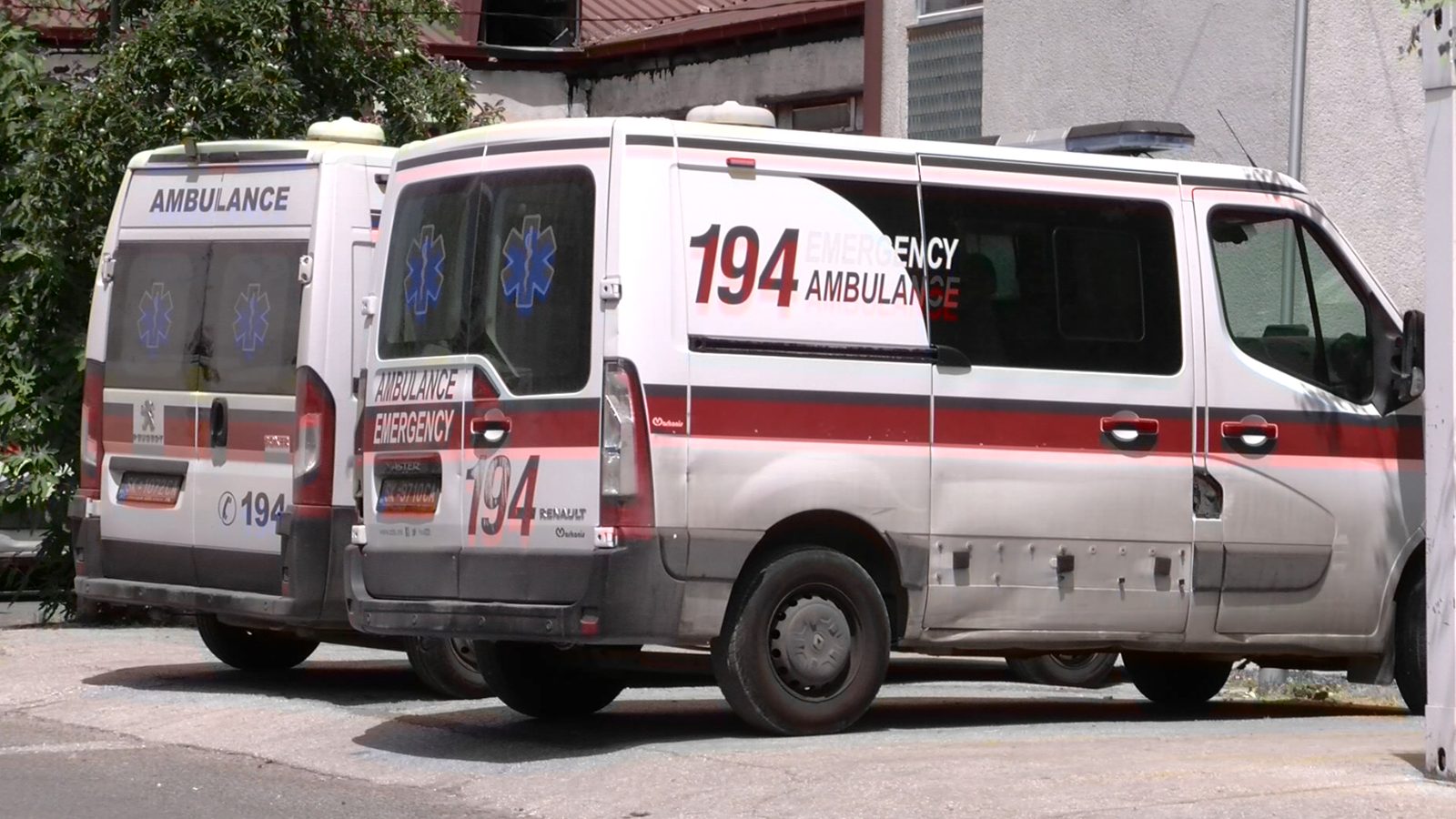
Regarding vehicles, Klekovski said that of 100 new ambulances, 26 are intended for Skopje. With these additions the number of functional vehicles in the city service will rise from 140 to 200. In December the ministry expects a public tender for another 50 vehicles supported by the European Union.
Commenting on public complaints about long waits and missed calls, Klekovski said he will measure the system's success by response time from when a person dials the emergency number 194, not by press releases. He also referred to a recent attack on staff: "A few days ago a doctor and a nurse from this service were attacked at their workplace. People who come when we are at our worst deserve decent working conditions and safety while performing their duty. Both are our obligation," he said. Klekovski added that he wrote on Facebook yesterday calling for criminal responsibility for attacks on health workers and that public reaction had focused on the functioning of the emergency service.
Photo: press material from the event