Bosnia elects one new Presidency member as main parties retain control in entities
Filipović takes the Croat-designated Presidency seat; two incumbents kept their posts while main parties hold power in the entities.
Voters in Bosnia and Herzegovina delivered a limited reshuffle of the country’s tripartite Presidency while leaving the main party balances in the two entities largely intact. The most notable change came at the Croat-designated seat, where Darijana Filipović (HDZ BiH) defeated Slaven Kovačević (Democratic Front) with 105 962 votes to 69 287.
Two incumbents re-elected, one newcomer for Croat seat
Denis Bećirović, the sitting Bosniak member of the Presidency and candidate of the Social Democratic Party (SDP), won a new term with 198 587 votes against Bakir Izetbegović’s 176 729, with about 92 percent of ballots counted. Željka Cvijanović, running for the Serb seat on behalf of the Alliance of Independent Social Democrats (SNSD), was returned convincingly with 276 225 votes.
The result ends Željko Komšić’s long presence in the Presidency: Komšić, who had held the Croat-designated seat since 2006 except for one term, did not run this time and his political bloc failed to keep the position. Filipović’s victory means the Presidency now contains two re-elected members and one new member representing Croats.
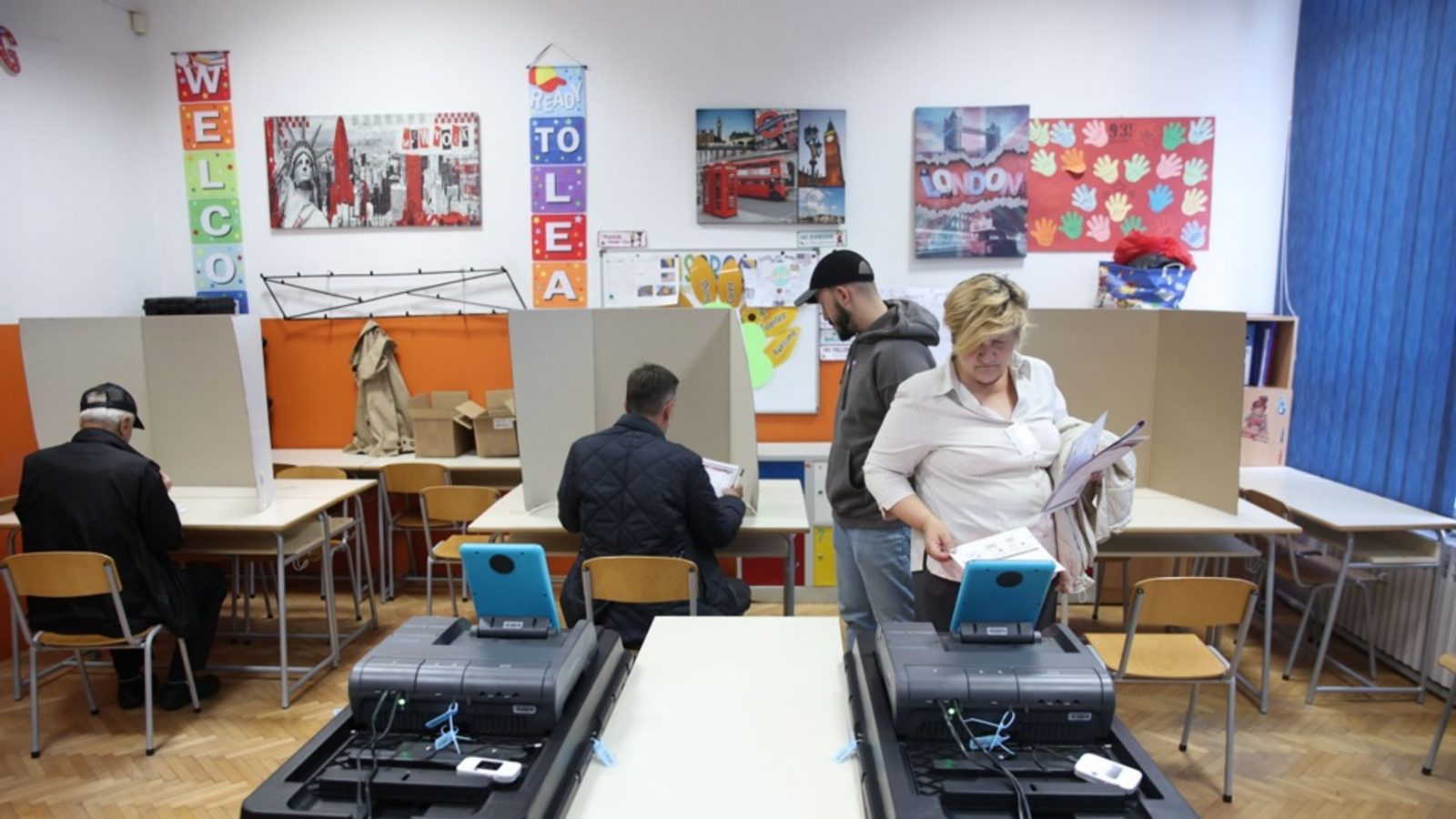
Across the country more than 3.4 million registered voters were eligible to cast ballots for the state Presidency and parliament, the Republika Srpska president and assembly, the Federation parliament and the ten cantonal assemblies. Turnout stood at about 41.5 percent, notably below the turnout at the 2022 general elections.
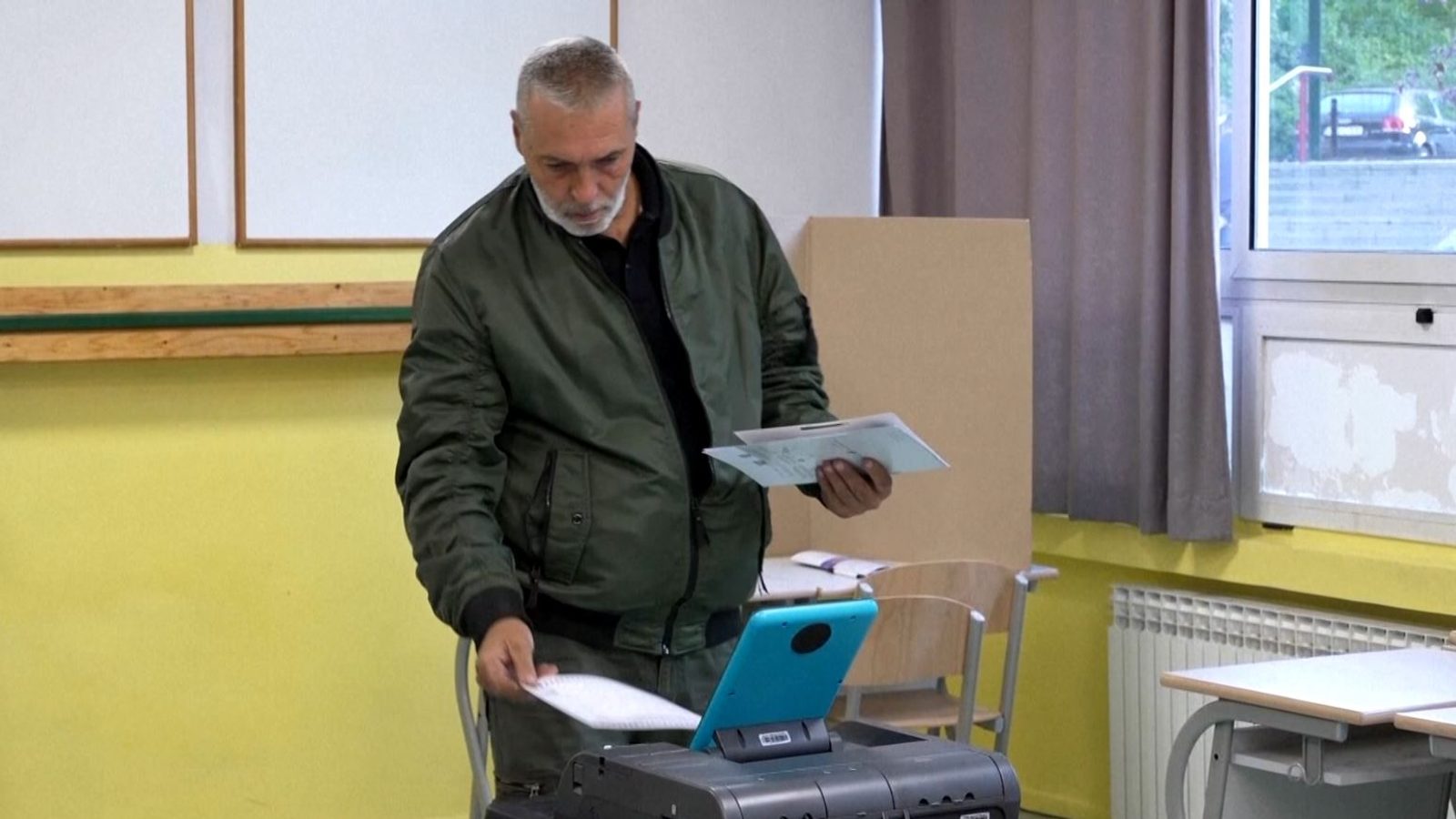
Authorities used newly introduced biometric and electronic identification and ballot-processing tools for the first time in national elections, which allowed preliminary results to be published quickly. On the entity level, the established parties kept their dominant positions: SNSD prevailed in Republika Srpska, while the Party of Democratic Action (SDA) remained the single largest party in the Federation.
Savo Minić (SNSD) won the presidency of Republika Srpska with 269 647 votes; opposition candidate Branko Blanuša (SDS) recognized defeat. The SNSD also remained the strongest force among votes cast from Republika Srpska for the state parliament.
At the Federation level, SDA obtained roughly 30.6 percent of the vote for the House of Representatives of the Federation, while SDP rose to second place with 15.4 percent. HDZ BiH and its coalition partners were third with 13.6 percent, and the Party for Bosnia and Herzegovina (SBiH) emerged as a notable fourth force with 9.1 percent. Several other parties and movements—including People and Justice (NiP), the Democratic Front and the rising Movement "Safe Srpska" led by Draško Stanivuković—also passed the electoral threshold and strengthened the opposition space.
Photo: EPA/HAZIM ALJOVIC BOSNIA AND HERZEGOVINA OUT