Israel election ends without clear winner, intensive coalition talks begin
Exit polls show Likud may be largest but blocs are tied; Netanyahu urges Jewish parties to join him, Gadi Eisenkot promises change.
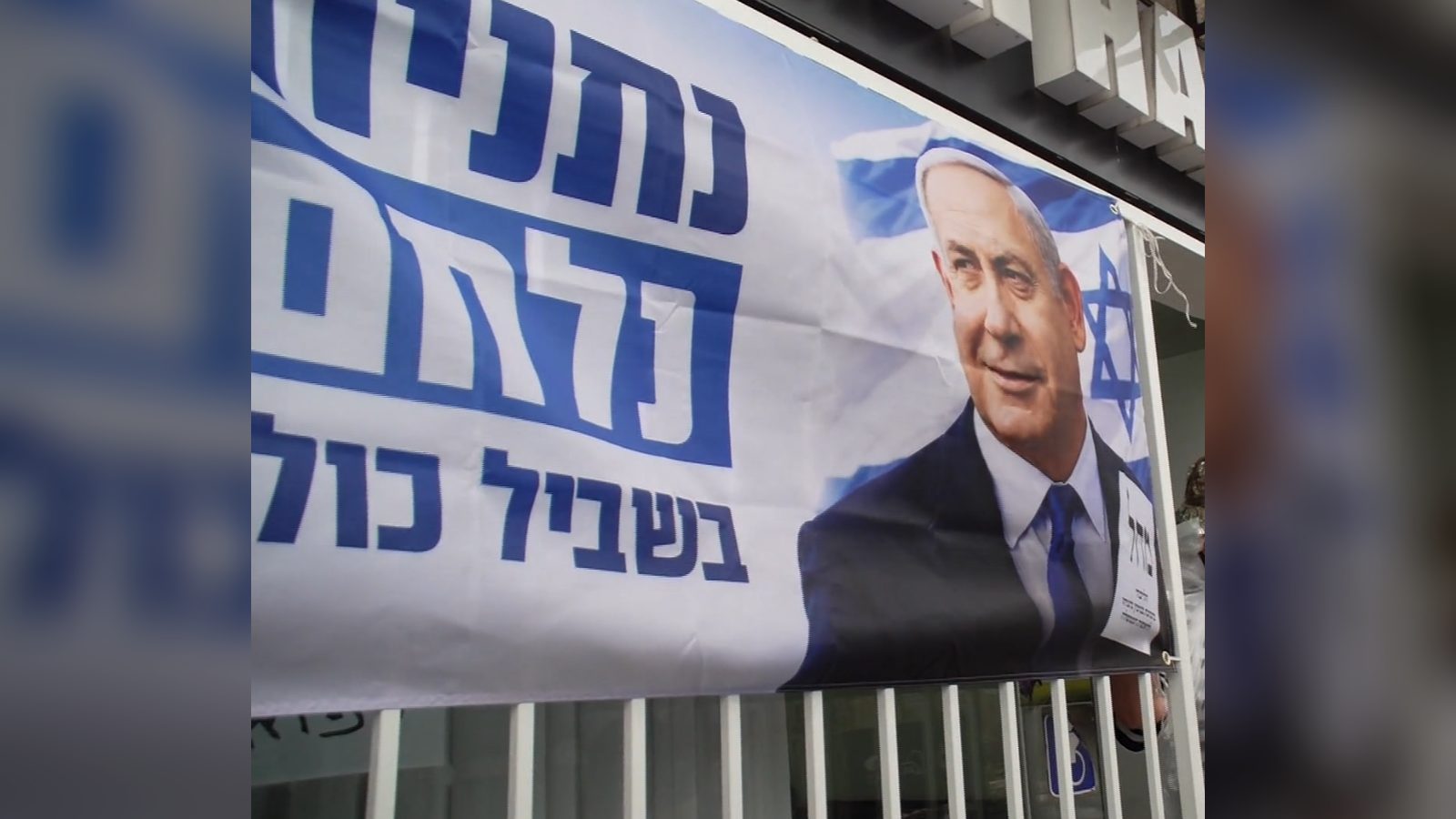
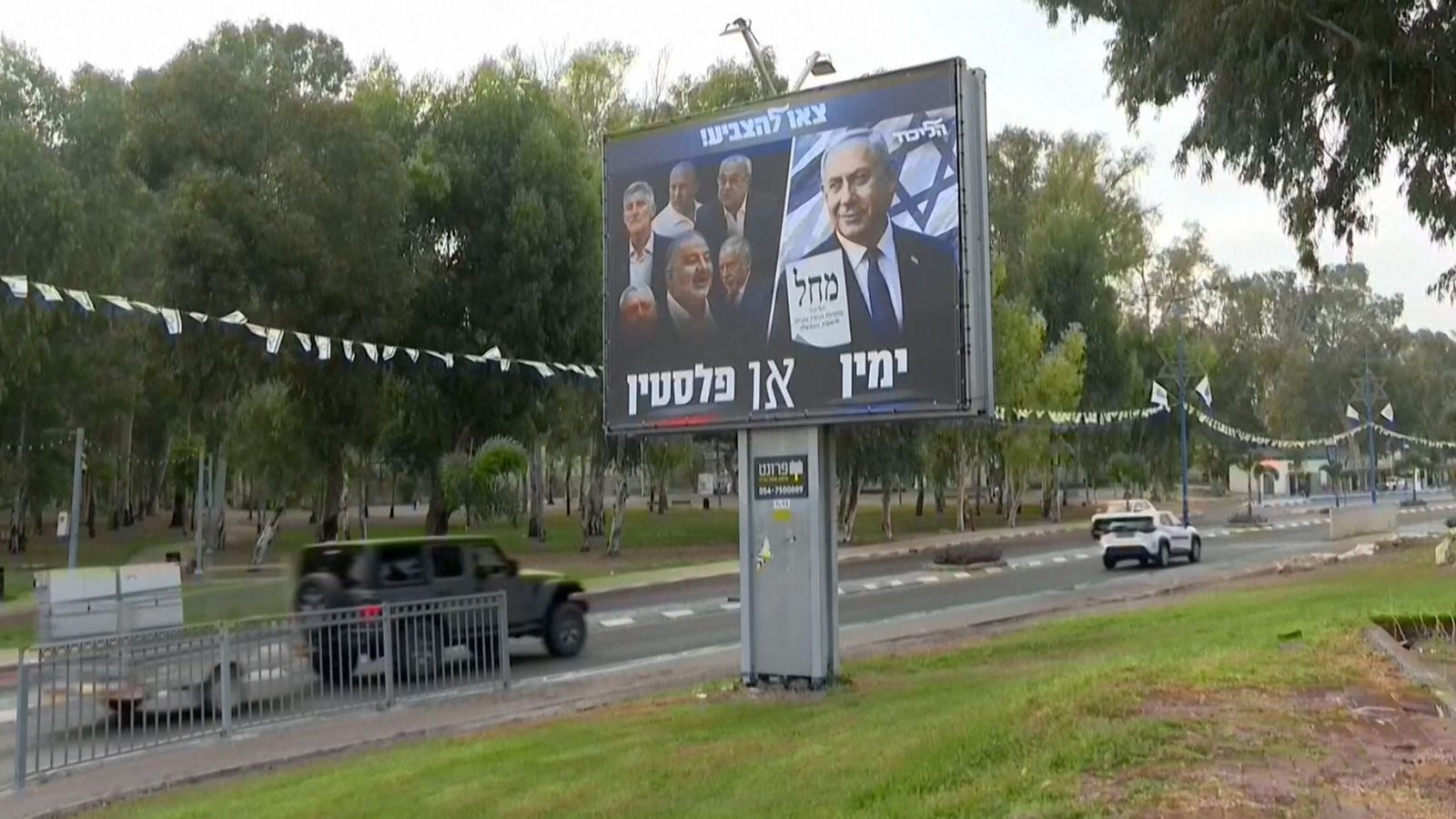
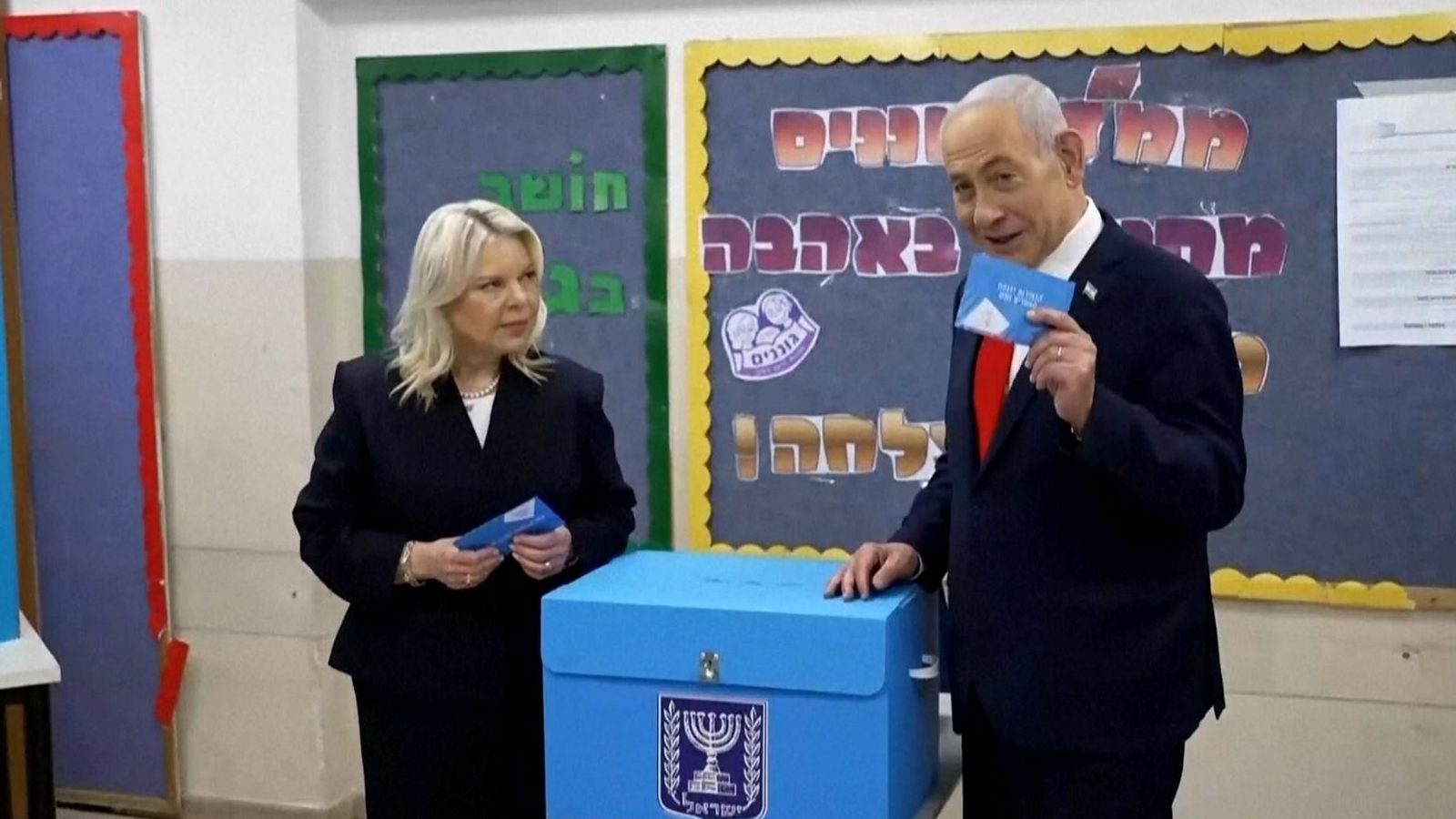
Israel's national election concluded without a clear winner, leaving the country headed into what could be weeks of intensive coalition bargaining and political maneuvering. Exit polls showed the two main blocs roughly level, making it unclear which side will assemble a working government after voting that many saw as a referendum on Benjamin Netanyahu's wartime leadership following the Hamas attack on 7 October.
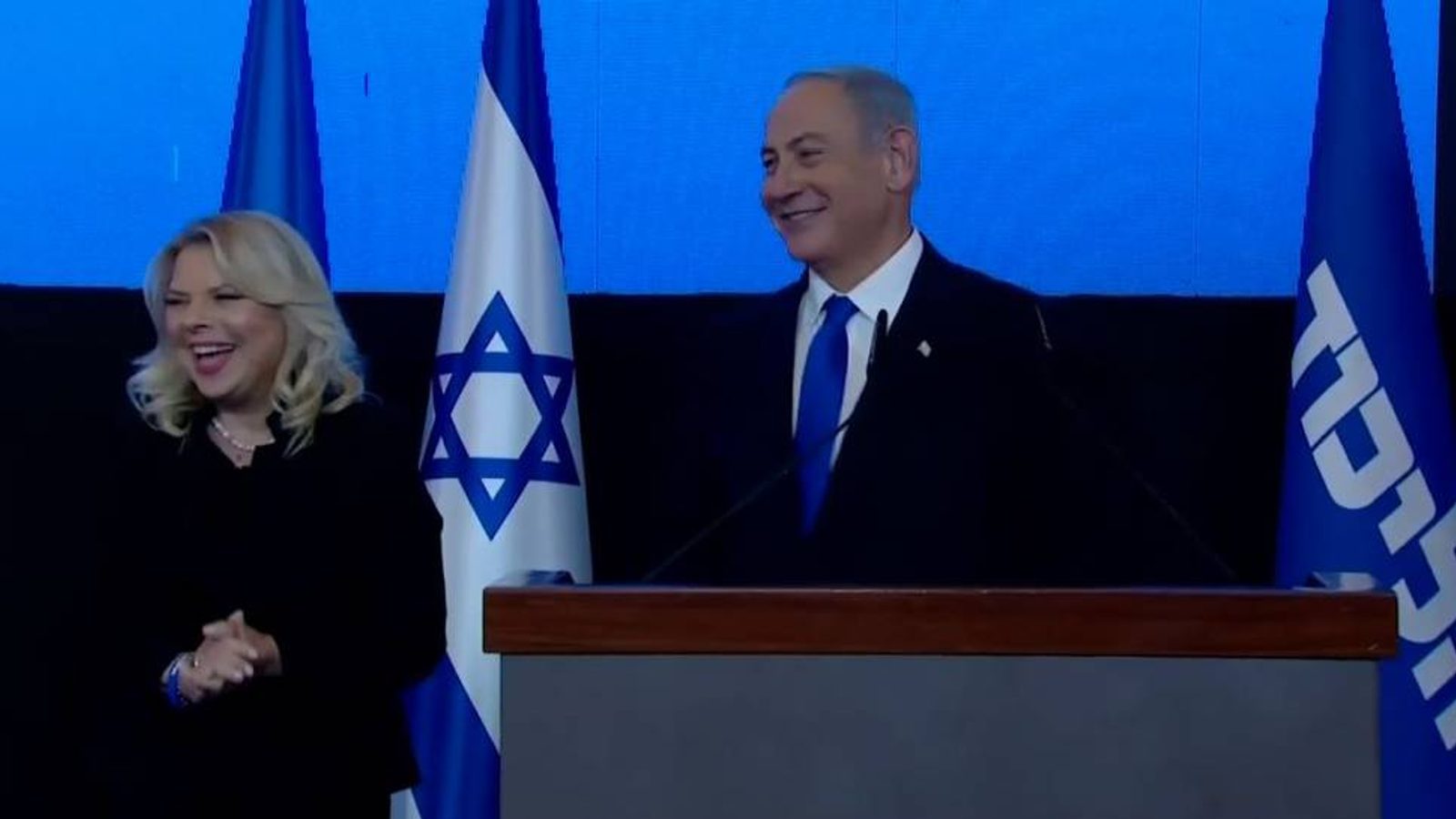
Addressing supporters shortly after 3 a.m., Prime Minister Benjamin Netanyahu urged Jewish parties to join him and argued his bloc had the mandate to confront Iran. He told the crowd that exit polls expected his Likud party to be the largest in the next parliament and highlighted Israel's military achievements over the past three years and his ties with President Donald Trump.
Netanyahu also warned opponents against forming a government that depends on Arab parties. In his remarks he said: "I want to tell you that Israel faces a historic opportunity — together with our partner, President Trump — once and for all to remove the existential threat coming from Iran. The right-wing bloc has a clear, decisive majority among the Zionist public. And among the Jewish public and all those who support the Jewish state — this has become clear — there is a decisive majority."
Parties led by Arab politicians made a surprisingly strong showing in the vote and could become kingmakers, since exit polls indicated parity between Netanyahu's bloc and his opponents and no obvious path for either side to form a coalition.
Gadi Eisenkot, the leader of the Yeshar party and a former military chief, said voters had rejected further leadership by Netanyahu and vowed to try to form a government. He promised "a new era of hope" and told supporters that: "A worthy leader would accept the people's lack of confidence and today would announce that he is withdrawing from political life. Given the high turnout in these elections, it would be a mistake to go to new elections. It is our duty, and my personal duty, to do everything to fulfill the will of the people." He also declared plainly: "The people have decided in favor of change."
Late on election night in Tel Aviv, anti-Netanyahu activists aligned with the left‑wing "Pink Front" celebrated the initial exit poll results. Some demonstrators jumped into a swimming pool waving flags with pink hearts while others toasted with sparkling wine. One local, Hadas Shoham, said: "I'm so excited, like, my body still doesn't understand what happened. Finally, we won after four years of street protests. After the terrible massacre that happened to us, we finally got a new government, to have change, to have an option for the future, and I can't be happier right now."
Weeks of horse‑trading ahead
With only exit polls available, the final seat counts still must be confirmed, and party leaders will now enter intensive negotiations to build a coalition. The uncertain outcome leaves Israel in political limbo at a moment when public attention is also focused on the country's security challenges.
Photo: press material from the event