Israel faces widescale mental‑health crisis after October 7 attack
Millions report trauma, prescriptions rise and suicides among reservists have increased as public services struggle to respond.
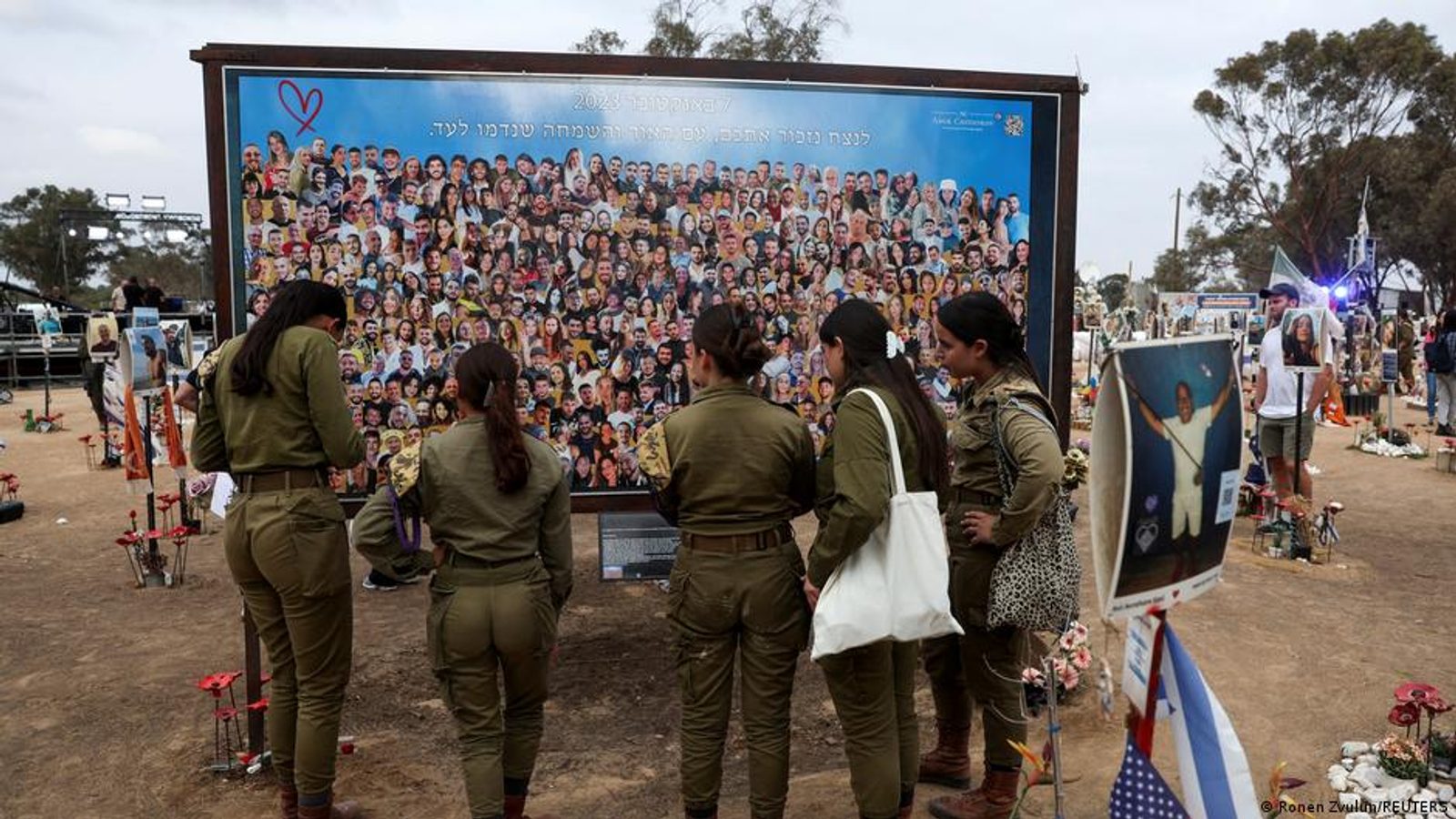
Nearly three years after the October 7, 2023 assault, Israel is confronting a widescale mental-health emergency that experts and bereaved families say has deepened with each anniversary. Millions report trauma symptoms, anxiety and depression while the public system struggles to keep up with demand.
Countrywide post‑traumatic strain
Ronen Shalev says his body warned him in the run‑up to the third anniversary. "You start to tremble," he told reporters, adding that "it is not just a single day you continue to live after. We have many graves to visit and many families to meet. This is a hard period and I feel it in my body." His children survived the attack at the Nova music festival in southern Israel where nearly 400 people were killed on October 7, 2023; his son Roy was shot and hospitalized and his partner Mapal Adam was killed, while his wife Gavriela disappeared that day and was later found dead in a burned car alongside a farewell letter.
The October 7 attack and the wider war that followed left an enormous human toll: "Around 1,200 people were killed in the attack, and about 250 were taken hostage," the family and analysts note, and the ensuing Gaza war saw Israel kill tens of thousands of Palestinians and displace large parts of the territory's population.
Official figures and studies point to the scale of the psychological impact. A report by Israel's state comptroller from February 2025 found that roughly 39% of Israelis reported post‑traumatic symptoms, depression, anxiety or a combination of those conditions at moderate or severe levels — about three million people, of whom some 600,000 could face serious long‑term effects. Yet the number of people receiving mental‑health treatment rose by only 1 percentage point since October 7, 2023 — about a 60,000‑person difference.
Researchers warn that the public mental‑health system remains overstretched. Noga Dagan‑Buzaglo of the Adva Center, who has mapped the challenges facing Israel's mental‑health services, says budget increases arrived late and are insufficient. "The biggest challenge is persuading people to work in the public mental‑health system in Israel, both because of lower pay compared with the private sector and because of being overworked," she told interviewers.
Demand has pushed many patients toward medication; the health ministry reported a 13%–17% rise this year in prescriptions for sedatives, sleeping pills and antidepressants. A University of Haifa study shows that 84% of therapists who treated people affected by October 7 display traumatic symptoms themselves and roughly 45% say they feel mentally exhausted. Waiting times in the public system exceed six months in many areas and, in some cases, pass a year.
Reservists and soldiers have been especially affected: parliamentary and Israel Defense Forces statistics show a sharp rise in suicides among reservists — from at most one per year in the six years before the war to 11 in 2024, with nine more deaths in 2025 being investigated as suicides. Families such as Shalev's now speak publicly about grief and loss to break taboos: as Roy wrote in a farewell message on Instagram before his death, "I am alive, but dead inside." "Sorry," he added in a separate line.
Shalev, who has been diagnosed with post‑traumatic stress disorder himself, now gives talks that aim to encourage others to seek help. "She could not bear the grief of that day," he said of his wife Gavriela, and he stresses that talking openly is part of recovery. Experts say the country needs sustained investment in mental‑health services because "we must accept that trauma does not end after one year. That means investing funds," in Dagan‑Buzaglo's words.
Photo: arhiva