Japan posts record export values but runs ¥476.5 billion trade deficit in October
Record monthly export values were outpaced by even larger import bills — driven by higher energy costs — leaving Japan with a ¥476.5bn deficit in October.
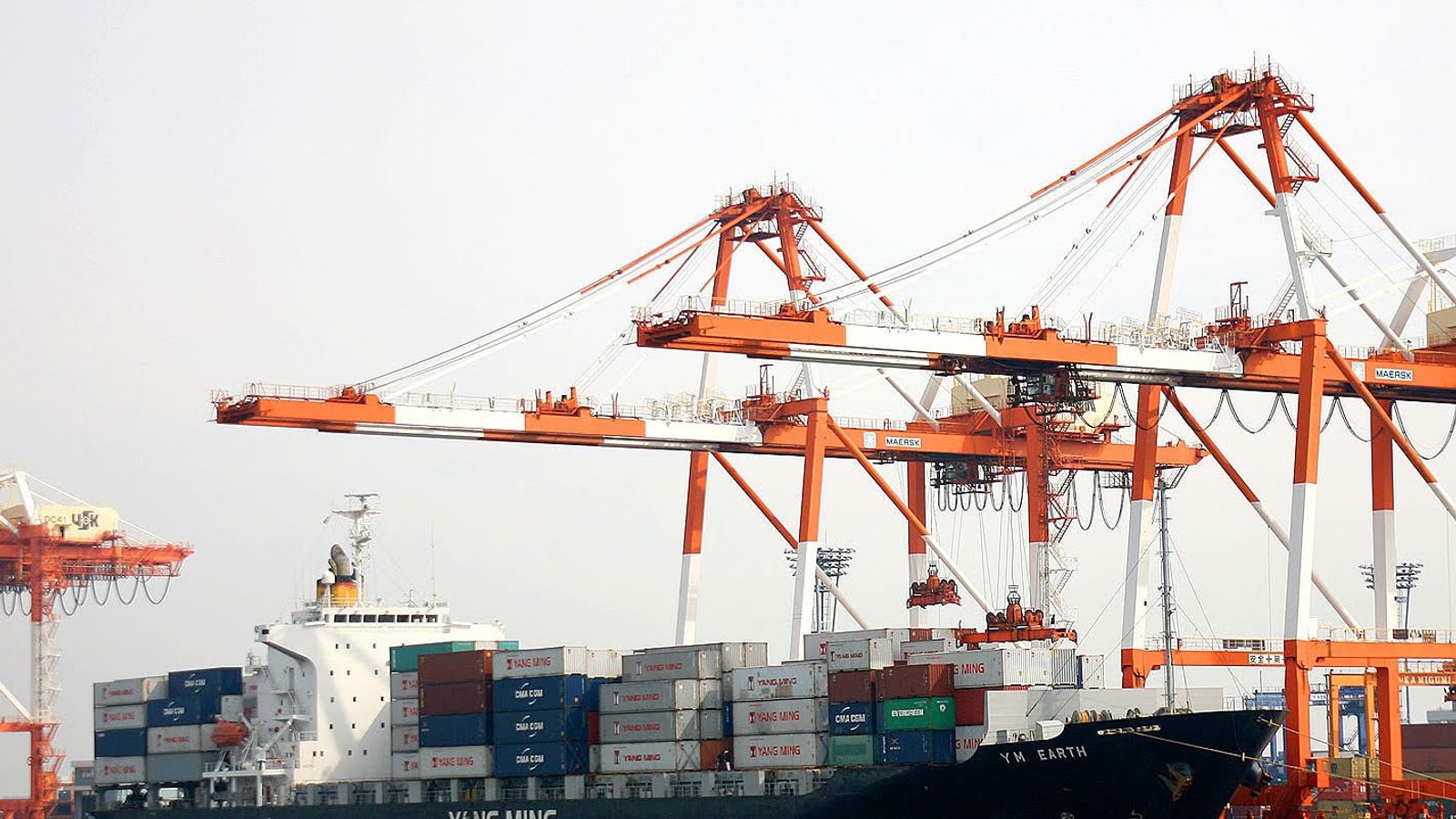
Japan recorded a trade deficit of 476.5 billion yen in October — roughly three billion dollars — despite posting the highest export value on record, official monthly figures show. The shortfall was 57.8% larger than in October last year and marked the sixth consecutive month in which imports exceeded exports.
Energy costs push imports above exports
Exports rose 20.5% year‑on‑year to 11.77 trillion yen, while imports grew 21.6% to 12.25 trillion yen; both are the highest monthly amounts recorded in the series that begins in 1979. Higher import bills, driven by expensive energy, kept the trade balance in the red.
The value of imported crude oil jumped 60.5% even though the volume imported fell by 0.7%, meaning Japan paid substantially more for almost the same quantity of oil as a year earlier. Disruptions to supply from the Middle East pushed Tokyo to seek alternative sources; imports of U.S. crude rose sharply, with their value increasing more than twelvefold year‑on‑year.
At the same time, stronger global demand for artificial intelligence–related technology supported export growth. The value of exported semiconductor components and production equipment climbed 49.7%, and vehicle exports increased by 19.9%.
Exports to the United States rose 23.9% and to China by 13.3%. Car shipments to the U.S. were particularly strong, up 37.2%. However, the record export value did not reflect an equally large rise in volumes: export volumes increased by 5.8% while export prices rose 13.9%.
Economist Ana Biling of the Daiva research institute says that purchases from alternative suppliers helped sustain oil volumes but that high prices continue to weigh on the trade balance. "However, risky factors are the further course of investments related to artificial intelligence and the situation in the Middle East," Biling notes in an analysis published today.
The October deficit was notably smaller than economists had expected — the consensus forecast had been a shortfall of about 956 billion yen, nearly double the outcome. September’s deficit was revised to 556.5 billion yen. On a non‑seasonally adjusted basis, the October trade gap narrowed from the previous month but remained larger than in October last year.
Photo: press material from the event