How Europe’s cities are tackling the affordable housing shortage
Municipal landlords, public land leases and targeted staff housing are among the measures European cities use to curb rents and expand affordable supply.
Across major European cities the shortage of affordable housing has moved from nuisance to crisis, and municipal governments are testing a variety of tools to reduce pressure on rents and preserve social mix.
Local answers — different tools
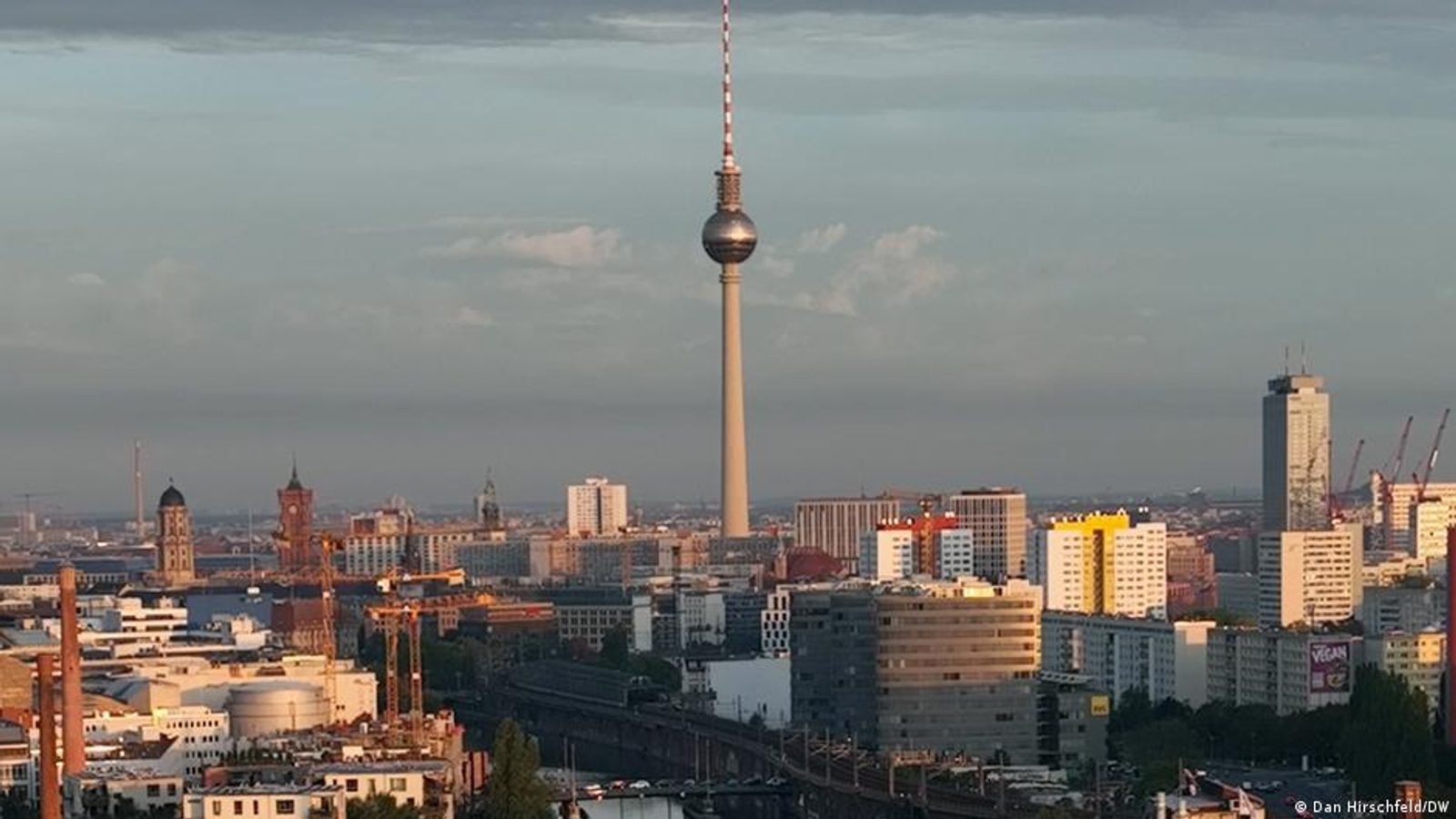
In Berlin the debate has sharpened after a referendum held five years ago demanded legislation to curb the market power of large residential corporations. The proposal called for companies owning more than 3,000 apartments to be obliged to sell those units to the state of Berlin; that transfer has not taken place and average rents have risen by roughly 50 percent since then. The September 20 elections elevated the party Die Linke, whose campaign rhetoric promised to press the referendum’s aims and push for what was often framed as “expropriation”. Coalition talks now determine whether Berlin will attempt a legally novel path.
Other cities use longstanding or experimental policies. Vienna’s approach — often called the Vienna model — rests on the municipality itself acting as a large landlord: the city directly manages about 220,000 flats and keeps another roughly 200,000 as subsidised housing, meaning some 60 percent of Viennese residents live in municipally supported units. That public supply dampens price growth in the private rental market.
Basel tackles the land-price problem by keeping land in public ownership and leasing plots instead of selling them. Around 40 percent of cooperative housing there has been built on municipally owned land, a technique also deployed in Barcelona and Lisbon to separate building costs from market land values.
In Paris and the wider Île-de-France region municipalities have used a right of first refusal since 2014 to acquire land or buildings before they are sold on the open market; the objective is to boost the share of social housing in pressured neighbourhoods. The official target set for social housing is 30 percent by 2035. Local authorities in the region have 61 projects under consideration that together could deliver up to 8,200 additional homes, and schemes increasingly convert office space into apartments.
Prague has built about 660 homes reserved for systemically relevant workers — care staff, police, teachers and municipal employees — operated by a company that is a subsidiary of a Czech bank. Using European funds and long-term financing spread over four decades, rents in these energy-efficient units are designed to remain some 20 percent below the market level. Contracting institutions, such as hospitals and government offices, decide which employees may occupy the flats, helping recruit and retain essential staff.
The Netherlands is experimenting with modular, rapidly assembled temporary dwellings that can be deployed to increase supply quickly and then dismantled when no longer needed.
Dublin faces a similar demand-supply mismatch. After the post-2000s investment surge and the inflow of multinational firms, property prices and rents climbed steeply. In 2021 authorities introduced a framework for applicants with incomes under €66,000 — people who earn too much to qualify for social housing but too little to access the private rental market — under which non-profit and public providers offer housing at cost. A recent study by the ESRI found that initial rents in these schemes are on average almost 30 percent below market rates. The Irish government aims to create 18,000 such homes by the end of the decade. Demand is substantial: in one south-eastern Dublin area, Kuleveli, more than 4,200 applicants competed for only 104 homes.
All of these instruments suggest that to rebalance housing markets European cities will need far more public supply — through municipal landlords, public land stewardship, targeted staff housing, office-to-residential conversions or modular additions — combined with long-term finance and political willingness to act.
Photo: protest protiv ova vo Palma de Majorka)