Winter outlook: models predict a smaller-than-normal snow season
October model updates show a growing snow deficit across Southern and Central Europe, with the Balkans among the worst affected.
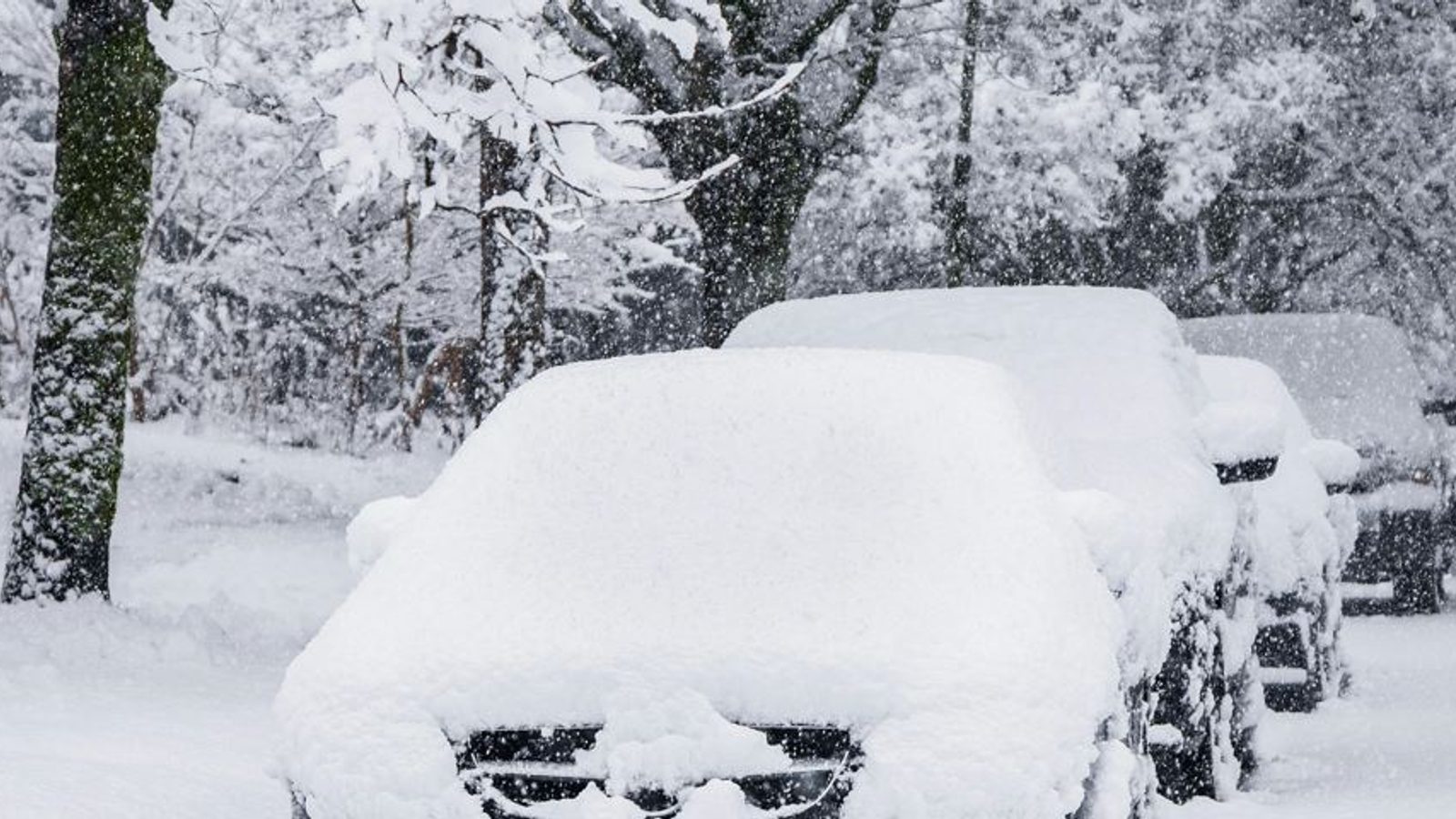
Six seasonal forecasting models updated in October point to a weaker-than-usual snow season for much of Western, Central and Southern Europe, with the Balkans among the areas likely to see the largest shortfalls.
Key months and drivers
The October calculations from the European Centre for Medium-Range Weather Forecasts (ECMWF) and an ensemble of other seasonal models show a deterioration compared with forecasts issued in September. The ensemble mean of six models now indicates a wider snow deficit across southern and central parts of the continent.
For the region covering Southern Europe and the Balkans the models show the expected shortfall growing from 4.7 centimetres below the seasonal average in September to 12.1 centimetres in the October update — a worsening of 7.4 centimetres and the largest negative change among the seven European regions analysed.
The most pronounced lack of snow is projected along the western coast of Scandinavia, across northern areas of the United Kingdom and over large parts of the Balkans. There remains only a limited chance of above-average snow, mainly in the far northeast of Europe and isolated northern mountain zones.
Forecasters point to the strong El Niño — the tropical Pacific warming pattern that alters atmospheric circulation worldwide — as an important influence on this season’s outlook. However, a disrupted polar vortex later in winter could still bring colder air southwards and increase snowfall chances in places currently expected to be snow-poor.
Model guidance suggests that, where snow does occur, it is more likely in the second half of winter. February stands out as the month with the greatest probability of snowy periods extending from eastern parts of Central Europe toward the northeast and into parts of Northern Europe, while March could bring above-average snow only at the extreme north of the continent. Seasonal forecasts will be updated in the coming months as models refine these signals.
Photo: press material from the event