Canals, cemeteries and septic pits as risk factors for mosquitoes in Skopje
43 cases of West Nile fever have been recorded in Skopje; 34 risk and 13 high-risk locations are being mapped and treated.
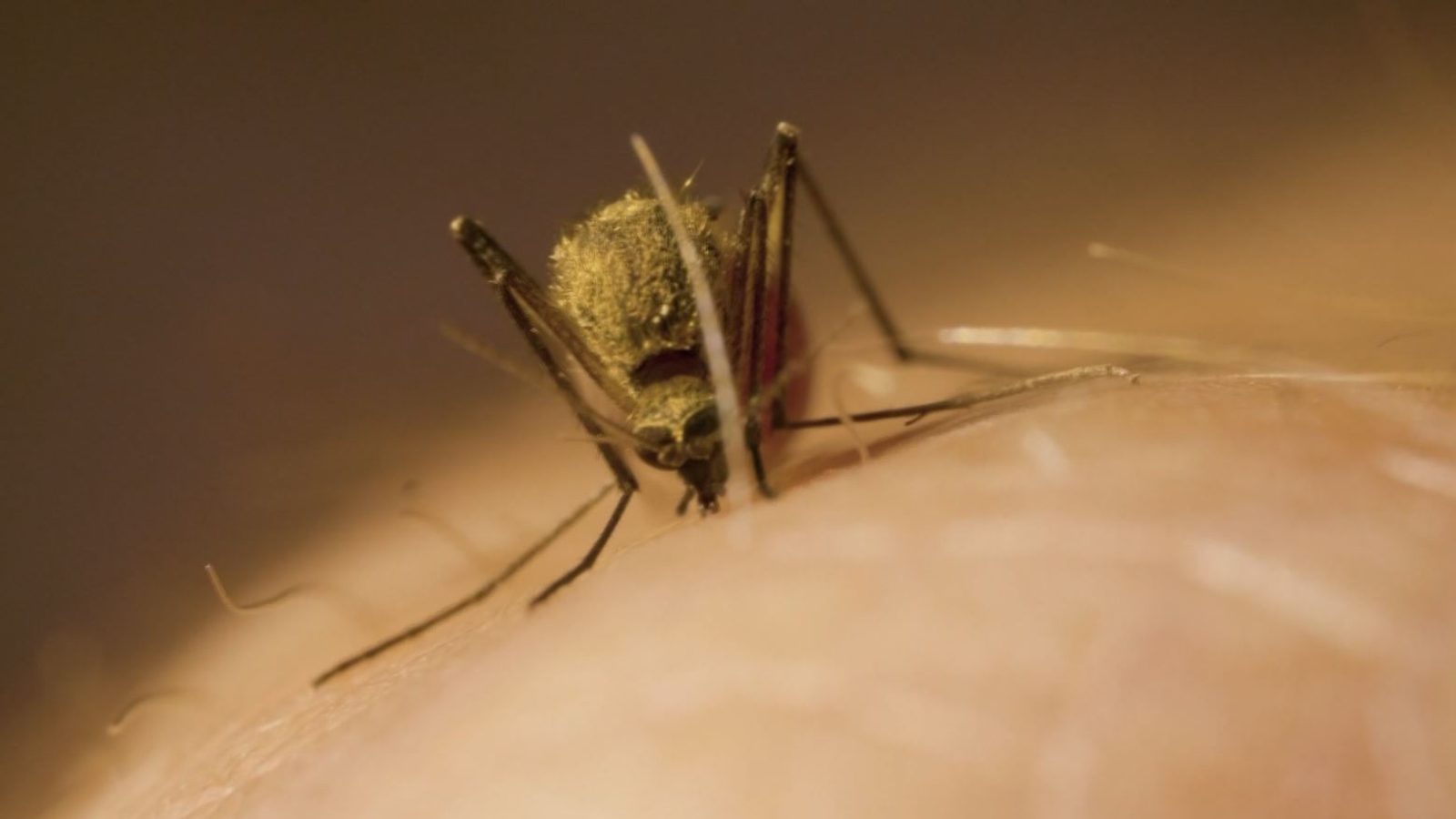
So far 43 cases of West Nile fever have been registered, of which 40 are laboratory-confirmed and three are suspected. For the first time this year the Institute of Public Health confirms cases in the municipalities of Centar and Cair.
Mapping and targeted treatment of risk points
After a large number of citizen reports about dead birds, the Food and Veterinary Agency confirmed the presence of West Nile virus in a dead rook. Minister of Health Sasho Klekovski announced that, in coordination with municipal services, measures have been enhanced and focused on 34 risk and 13 high-risk locations in the capital.
"Serava is part of the problem in Aracinovo and in Butel, the channels Jurumleri, Stajkovci, Sindjelic, Gazi Baba, the main Ilinden canal in Skopje Field, the channels in Dracevo, the Batinci and Studenichani channels and what we located are several other types of high risk that had not been taken into account before, those are the septic pits," said Sasho Klekovski, citing peripheral channels and septic systems as new points for action.
Cemeteries are pointed out as a risk because of stagnant water in vases, broken public taps and discarded old tires. The City of Skopje is conducting geographic mapping of places with stagnant water, and the Center for Public Health is preparing an operational plan for where and when spraying will take place.
Entomologist Nikolina Sokolovska from the Center for Public Health - Skopje says that according to analyses and previous sprayings there is a reduction in the number of mosquitoes compared with past years, but that finer targeting of critical points is needed.
"Now it is necessary to map them, to see the critical points and they need to be treated, because here, specifically in the Dracevo neighborhood, not everywhere in every part of Dracevo has the same number of mosquitoes. Rather, more thorough work is needed so that we have a reduction in the number of mosquitoes," said Nikolina Sokolovska, emphasizing the need for detailed field mapping.
The Ministry notes that the funds used for spraying have been approved by the WHO. An additional problem remains that many suburban settlements around Skopje still lack urban sewage systems. "One of the things that is missing, which we are locating at the moment and which is not available in the country are tablets with bacilli for disinsection of septic pits. That exists in Greece, we identified it, it is not in North Macedonia. And we are working for them to be available here," added Minister Klekovski.
At the Infectious Diseases Clinic there are currently 22 hospitalized patients with confirmed West Nile fever and multiple comorbidities, and five of them are in serious condition in the Intensive Care Unit. Authorities say that mapping, larval treatment and monitoring of the situation will remain a priority while health institutions follow the severe cases.
Photo: press material from the event