Carney: Canada may turn to Chinese automakers if talks with Trump fail
Carney warned in Phnom Penh on 15 November 2026 that Ottawa could seek alternatives to the US if talks do not protect the integrated North American auto industry.
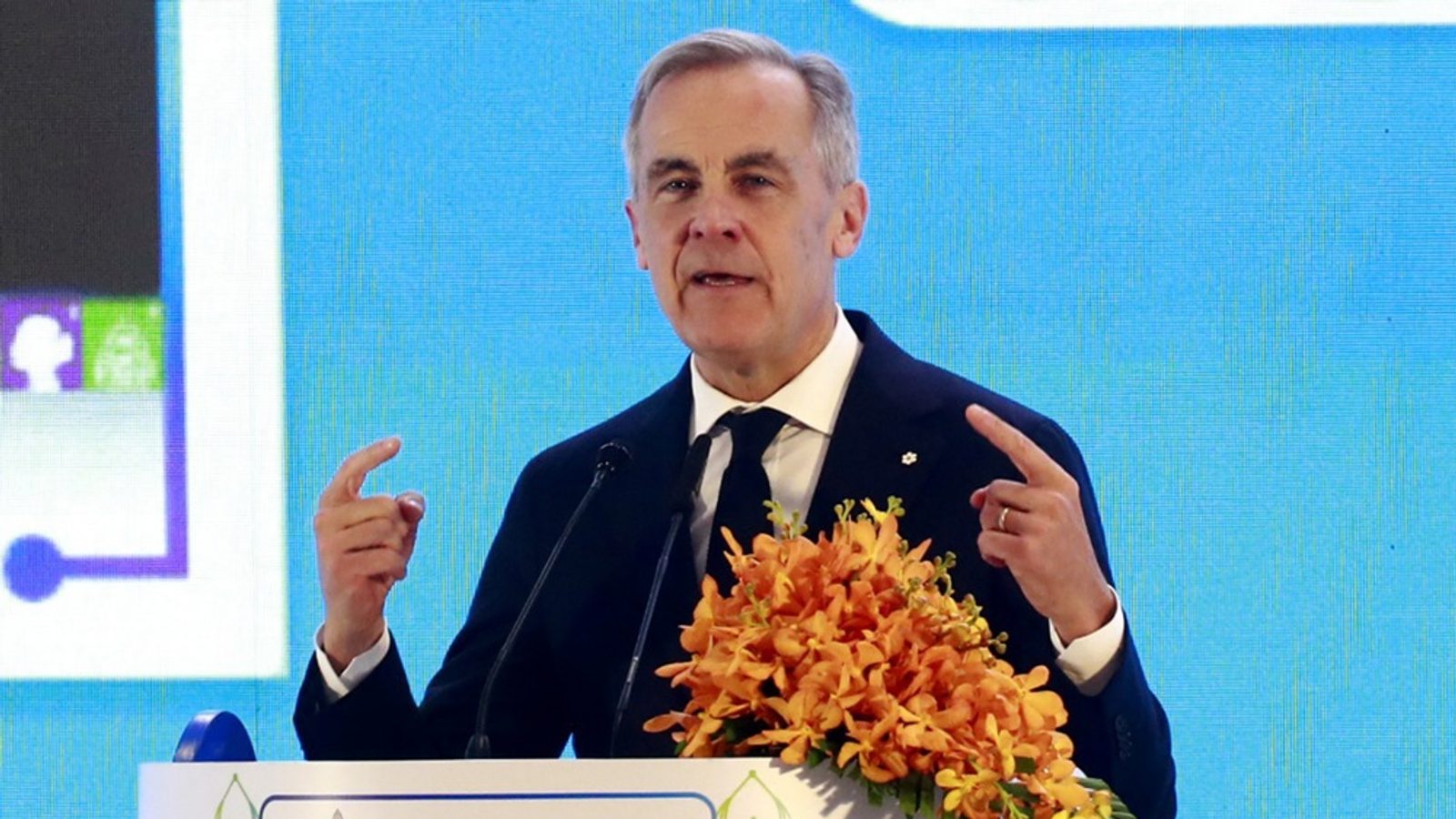
Canadian prime minister Mark Carney warned that Ottawa could pivot to Chinese carmakers if trade talks with US president Donald Trump fail to preserve an integrated North American auto industry. Carney made the comments during the opening of the FrancoTech 2026 exhibition in Phnom Penh on 15 November 2026, ahead of a planned meeting this week with Chinese leader Xi Jinping in Shenzhen.
Carney told reporters that keeping North American manufacturing linked is a priority but that the outcome of negotiations with Washington will determine whether Canada seeks alternatives among European, Chinese or Japanese producers. He said: "We have the best automotive workers in the world and we want them to be fully engaged, with full opportunities, on an integrated North American market."
The prime minister pointed to growing fragmentation in the regional auto supply chain after recent US trade measures and pressure on manufacturers to move production to the United States. He noted that Ford, General Motors and Stellantis operate plants across Canada, the US and Mexico, with parts sometimes crossing borders several times before a vehicle is completed, and singled out the recent decision to move planned Jeep Compass production from Brampton, Ontario, to Illinois and the sale of an inactive Canadian plant as particularly damaging.
Conditions for investment
Carney stressed any potential Chinese investment would have to involve substantial on‑the‑ground manufacturing, not just the assembly of imported kits. He said such projects must meet worker standards, create production capacity and build domestic supply chains that could expand over time, including the use of Canadian critical minerals for electric vehicles. "It's not just about assembling complete kits. There must be a production element," he said.
The prime minister also played down suggestions that Beijing could be used simply as leverage in talks with Washington, describing the dynamic as "action and reaction, not pressure." He added: "If Canadian auto workers are not fully utilised in a North American context, that opens up other opportunities. Canada will move forward in any case."
Under a January agreement, Canada cut tariffs on Chinese electric vehicles from 100 to 6.1 percent and allowed an initial import quota of up to 49,000 vehicles per year, with scope to increase the quota; in exchange China reduced tariffs on Canadian farm goods, including canola. Domestically, Ontario premier Doug Ford has sharply criticised the move, warning that allowing Chinese EVs into the market could threaten Canadian jobs and complicate access to the US market. Carney said he had held extensive conversations with Trump and senior US officials and that the two countries were making progress toward a possible trade deal, while important differences remain.
Photo: EPA/KITH SEREY