Qatar launches diplomatic push: Sheikh Al Thani travels to Tehran to revive US–Iran talks
The Qatari prime minister will meet Iranian officials to press for de‑escalation and create conditions for renewed negotiations.
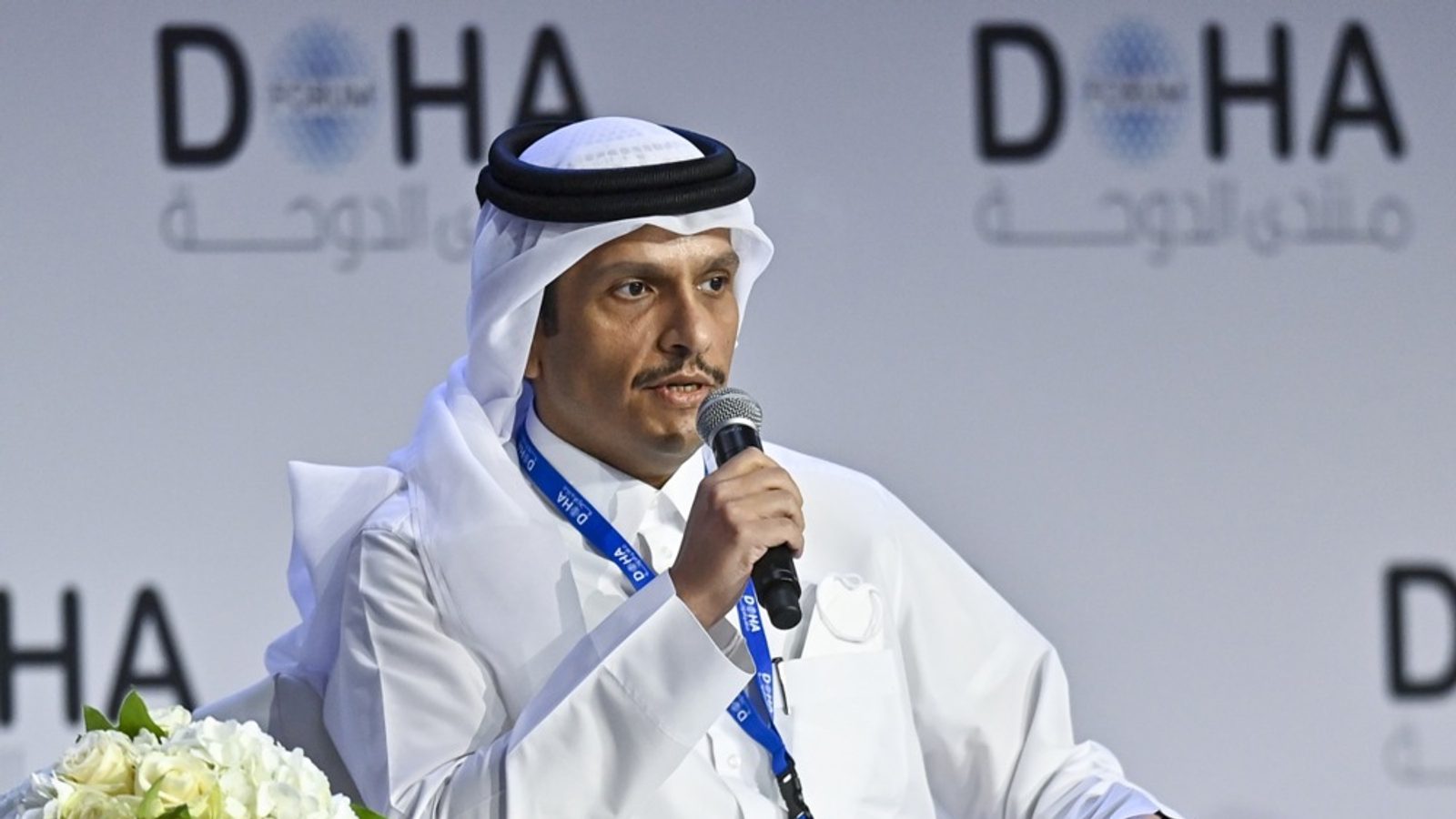
Qatar's prime minister, Sheikh Mohammed bin Abdulrahman bin Jassim Al Thani, is due in Tehran today on a mission to revive talks aimed at de-escalating tensions between the United States and Iran, Qatari officials said.
The Qatari Foreign Ministry spokesman Majed al-Ansari said the prime minister will meet with a range of Iranian officials in Tehran to discuss ways to lower tensions and create conditions suitable for dialogue. "The visit is in line with the State of Qatar's firm position that the diplomatic path is the best way to resolve differences and promote security and stability in the region," he said.
Background and mediation efforts
Iran also confirmed the visit, saying talks will include "continuation of Qatar's mediation efforts and initiatives, as well as other regional issues." Qatar has previously acted as an intermediary between Washington and Tehran: it helped secure a memorandum of understanding in June that briefly halted the fighting.
That agreement collapsed in July, and the conflict is on the verge of entering its sixth month. While major combat operations have largely subsided, no diplomatic breakthrough has emerged. Meanwhile, the United States has pledged to increase economic pressure on Tehran by sanctioning its trading partners.
U.S. President Donald Trump told Al Jazeera yesterday that he is "not in a hurry" to resume talks with Iran and said he believed both economic and military measures against Tehran were effective.
Iranian Foreign Minister Abbas Araghchi sharply denounced the new U.S. sanctions in a letter to the United Nations, calling them "economic terrorism" that deprives civilians of food, medicine and basic rights. "The sanctions deliberately harm civilians by restricting access to food, medicines, medical equipment, energy and other basic necessities, violating rights, including the right to life, health, food and an adequate standard of living," he said.
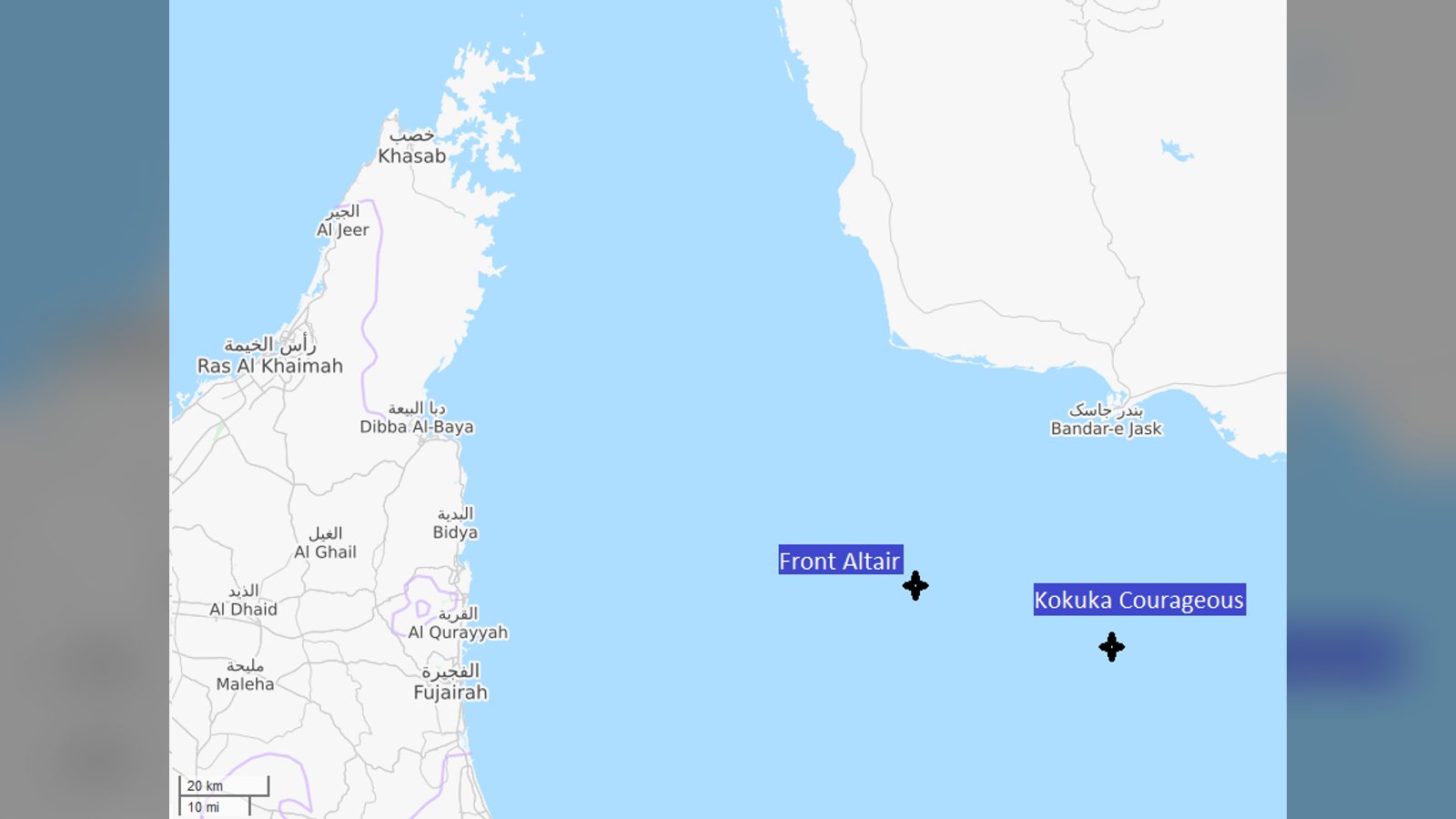
A central point of contention remains the Strait of Hormuz. Iran seeks full control over the waterway while the United States insists it remain open to international navigation; daily oil throughput has fallen dramatically from 20 million to barely five million barrels. Fearing a wider war and a blow to the global economy, regional states stepped up talks: Qatar demands a return to the status quo in the strait before 28 February, Oman recently mediated a deal on a temporary new shipping route, and Tehran says it will not fully reopen the strait until the U.S. lifts sanctions and releases frozen Iranian funds. Pakistan has also been involved in the diplomacy.
Photo: press material from the event