Chinese tech brands push Western rivals aside on global markets
Chinese companies now dominate segments from action cameras to EVs, helped by tight supply chains and fast innovation despite privacy worries.
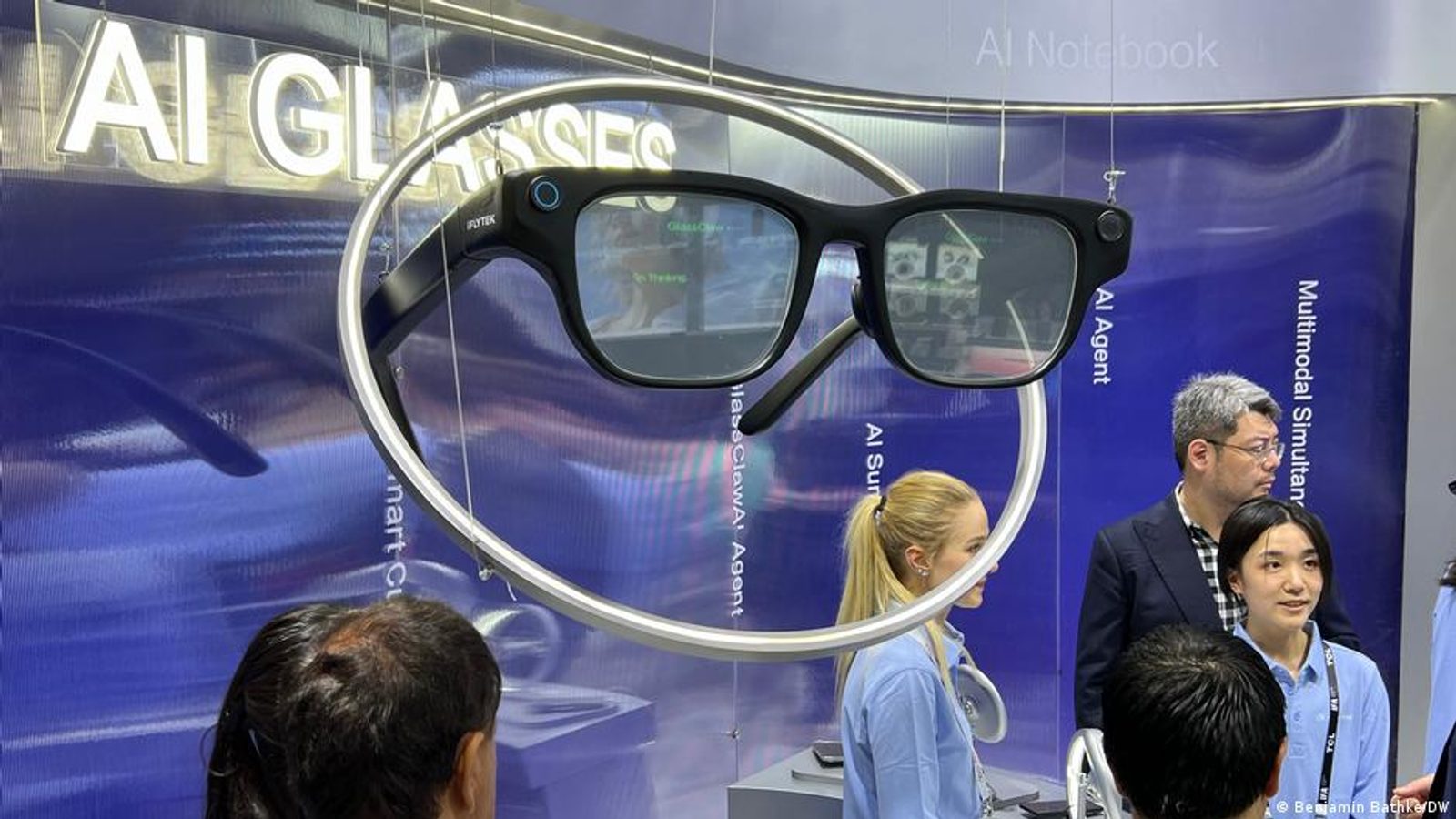
Chinese consumer-technology brands are taking a growing share of global markets — from action cameras and smartphones to electric cars and robotic vacuum cleaners — even as doubts about data privacy and national security persist.
Once synonymous with action cameras, GoPro peaked in 2015, selling about 6.6 million units and holding more than 70 percent of the market; today the company struggles to compete. The main challengers are Chinese firms: DJI and Insta360 entered the action-camera market in 2019 and 2021 respectively and now account for more than 90 percent of global sales of smart handheld cameras.
Users who switched report better performance. Alexander Haneman, who regularly films motorcycle rides, says he moved from GoPro to Insta360 around two years ago: "The quality is much better than GoPro's, even when I accelerate and enter corners at about 80 kilometres per hour," he told DW.
Why Chinese brands are advancing
The pattern is not limited to cameras. Since roughly 2010 many Chinese brands have not only caught up with but in several segments surpassed former Western leaders in consumer electronics, producing everything from smart TVs to robotic cleaners. "China still makes affordable products," says Chris Pereira, a Canadian entrepreneur and long-time China specialist. "But those products are also of high quality," he adds.
Industry experts point to a cluster effect in cities such as Shenzhen, Hangzhou and Shanghai, highly integrated supply chains, heavy automation and the use of artificial intelligence in factories, rapid regulatory responses and relatively low labour costs. "The supply chain in Shenzhen is practically irreplaceable when it comes to cutting costs and speeding up product development," says Joey Cheng, who moved to the U.S. more than 20 years ago but keeps most manufacturing in Shenzhen. "Especially as a startup, you must get a product to market quickly, otherwise you will be knocked out of the race," he adds.
Still, public distrust is a significant obstacle. A recent poll found more than 90 percent of Europeans distrust Chinese technology firms with their personal data, while about 80 percent expressed distrust of U.S. tech firms; Germans showed the highest levels of mistrust. German travel blogger Nadine, who uses DJI and Insta360 devices abroad, says she would not use Asian products at home: "My robotic vacuum is from a German company precisely for that reason. That way the data remain subject to German rules. After all, manufacturers can connect directly to the camera," she said, referring to reported cases of hacked cameras and audio systems linked to robotic vacuums.
Trade tensions and security concerns have prompted tariffs, blacklists and strict limits on Chinese imports in the U.S. and other Western countries. At the end of July, the administration of Donald Trump banned the import of humanoid robots produced outside the United States. A representative of Chinese robot maker Primebot said, "We may seek cooperation with a local American company. Another potential solution is to build a factory there."
Analysts expect those measures to accelerate two trends: shifting parts of production abroad and a stronger push by Chinese firms to compete in premium segments. Pereira predicts: "Chinese authorities and companies realise production must be localised to some degree. One reason is to ease export challenges, and another is to build local trust," he says. "Chinese regulators make very clear and quick decisions about what you can do. That speed helps companies grow and succeed abroad," he adds. "If you wait weeks for an answer, you will lose the business," Pereira concludes.
Photo: press material from the event