Cyprus technically ready for Schengen, but Austria and Netherlands raise reservations
EU technical green light confirms implementation of 120 recommendations, but political unanimity remains required and some member states cite security and territorial-control concerns.
Cyprus has received a favorable technical assessment from the European Commission confirming it has implemented the measures required to join the Schengen area, but political obstacles raised by some EU members could delay or block accession.
After years of preparations and the implementation of 120 technical recommendations, Nicosia secured the Commission's positive appraisal in July. Deputy Minister for Migration and International Protection Nikolas Joanides said on October 1 that "all recommendations issued by the European Commission are now considered implemented."
Political reservations from Austria and the Netherlands
Technical readiness alone is not sufficient for Cyprus to join Schengen. Accession requires a unanimous decision by the Council of the EU after consultation with the European Parliament, and Vienna and The Hague have already signaled informal reservations.
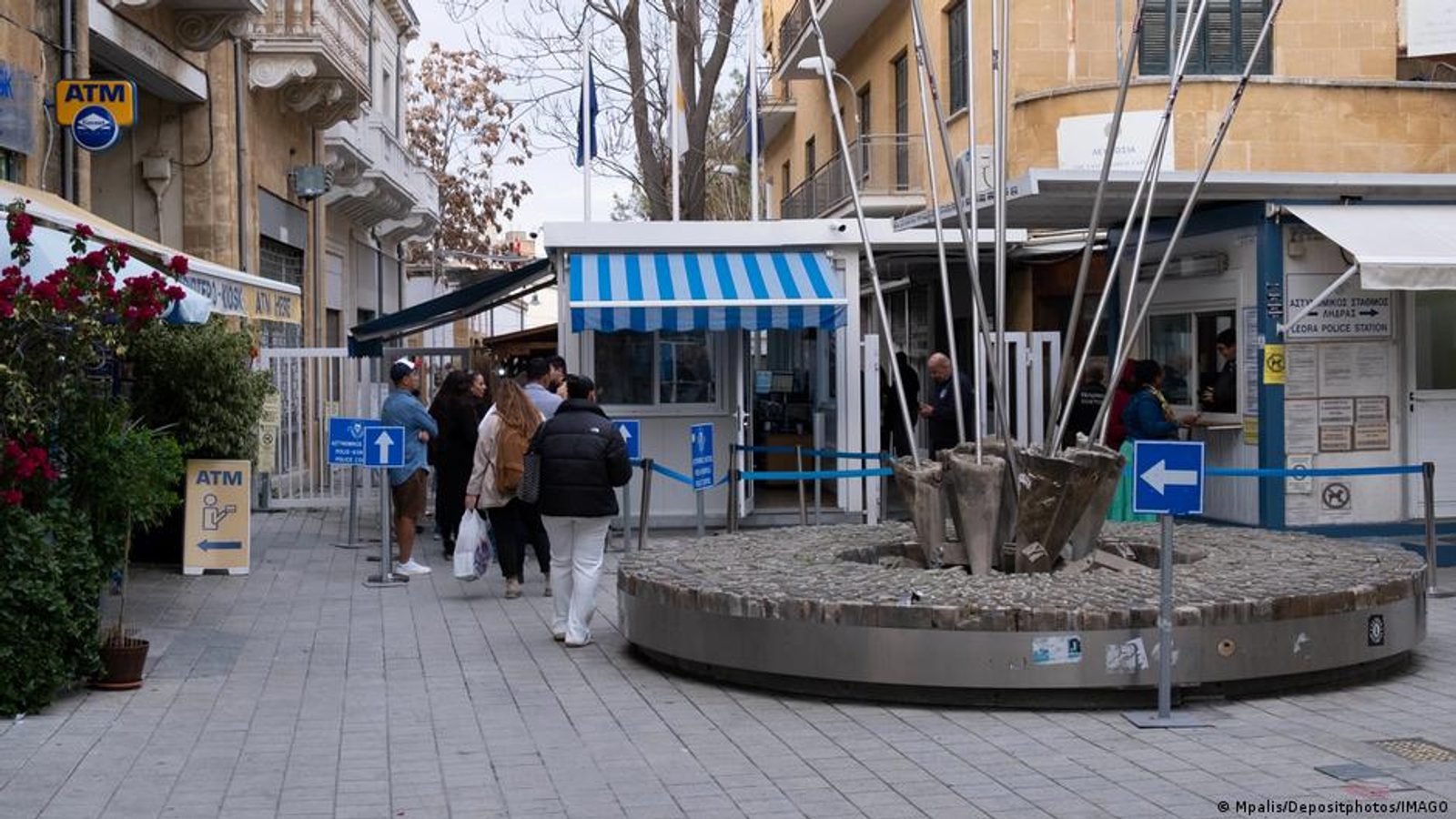
Their concerns focus on the island's division along the 180-kilometre Green Line and on the special status of the British sovereign base areas of Akrotiri and Dhekelia. Experts say those issues complicate the question of who exercises effective control along external Schengen borders.
Dr. Nasia Hadjigeorgiou, an associate professor of transitional justice and human rights, warned that the lack of full state control along the line is the core problem: "The question some Schengen states raise is that the Republic of Cyprus does not control the entire Green Line. It may control the crossings, but there are also open stretches of terrain." She added: "For it to be considered full control, something would have to change. Either the Cyprus issue would need to be resolved, or a strictly controlled physical border established. There is no other way."
Additional complication stems from the presence of the two British sovereign bases, which together cover 254 square kilometres — nearly three percent of the island — and remain under UK sovereignty. Part of the Dhekelia base borders both territory controlled by the Republic of Cyprus and the self-declared Turkish Republic of Northern Cyprus, and two border crossings in that area are managed by British authorities. "This is problematic because the area in question on one side is controlled by the authorities in the occupied north, and on the other side by the British sovereign bases," Hadjigeorgiou said. "As a result, the United Kingdom would control who enters and leaves the Schengen area. That is an unusual situation, because normally Schengen member states themselves decide who may enter and leave the zone."
Nicosia has already begun talks with British base authorities to align procedures at the Pergamos and Strovilia crossings with EU requirements. At the same time, the government has stepped up diplomacy: Deputy Minister Joanides held bilateral meetings on October 1 with counterparts from Austria, the Netherlands and Finland on the sidelines of a Justice and Home Affairs Council meeting in Luxembourg, and Cyprus won public backing from Mediterranean EU partners at a MED9 summit on October 7 in Croatia.
Despite positive technical findings and diplomatic outreach, diplomats familiar with the file caution that accession is not guaranteed and that Brussels may prefer to await progress on the broader Cyprus question before approving Schengen membership to avoid creating new political and practical complications.
Photo: press material from the event