Who are the new deputies from the Student List and what lies ahead for Serbia?
Professionals and activists from the student movement filled parliamentary benches after the 25 October elections; their challenge is transforming civic momentum into governance.
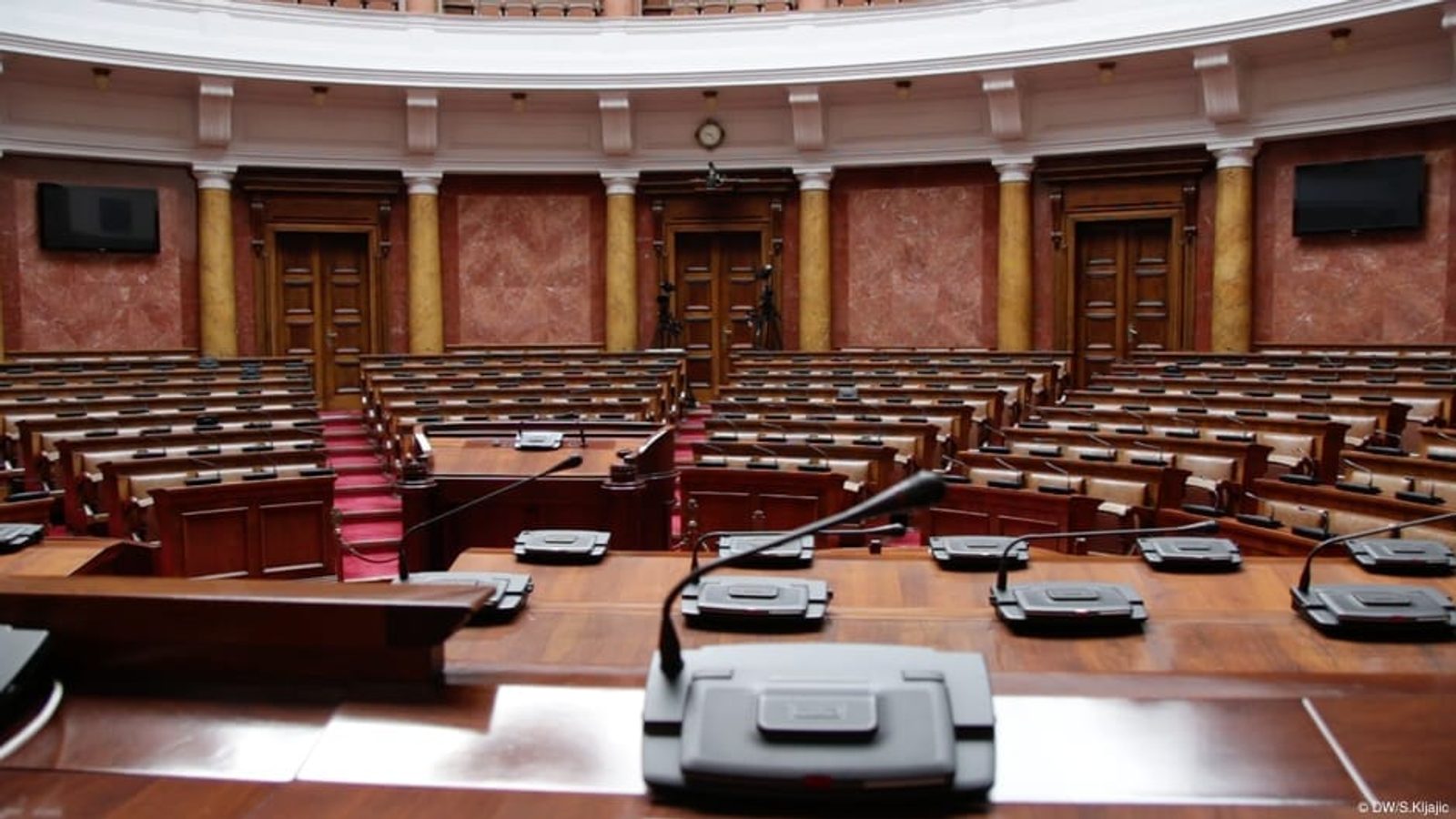
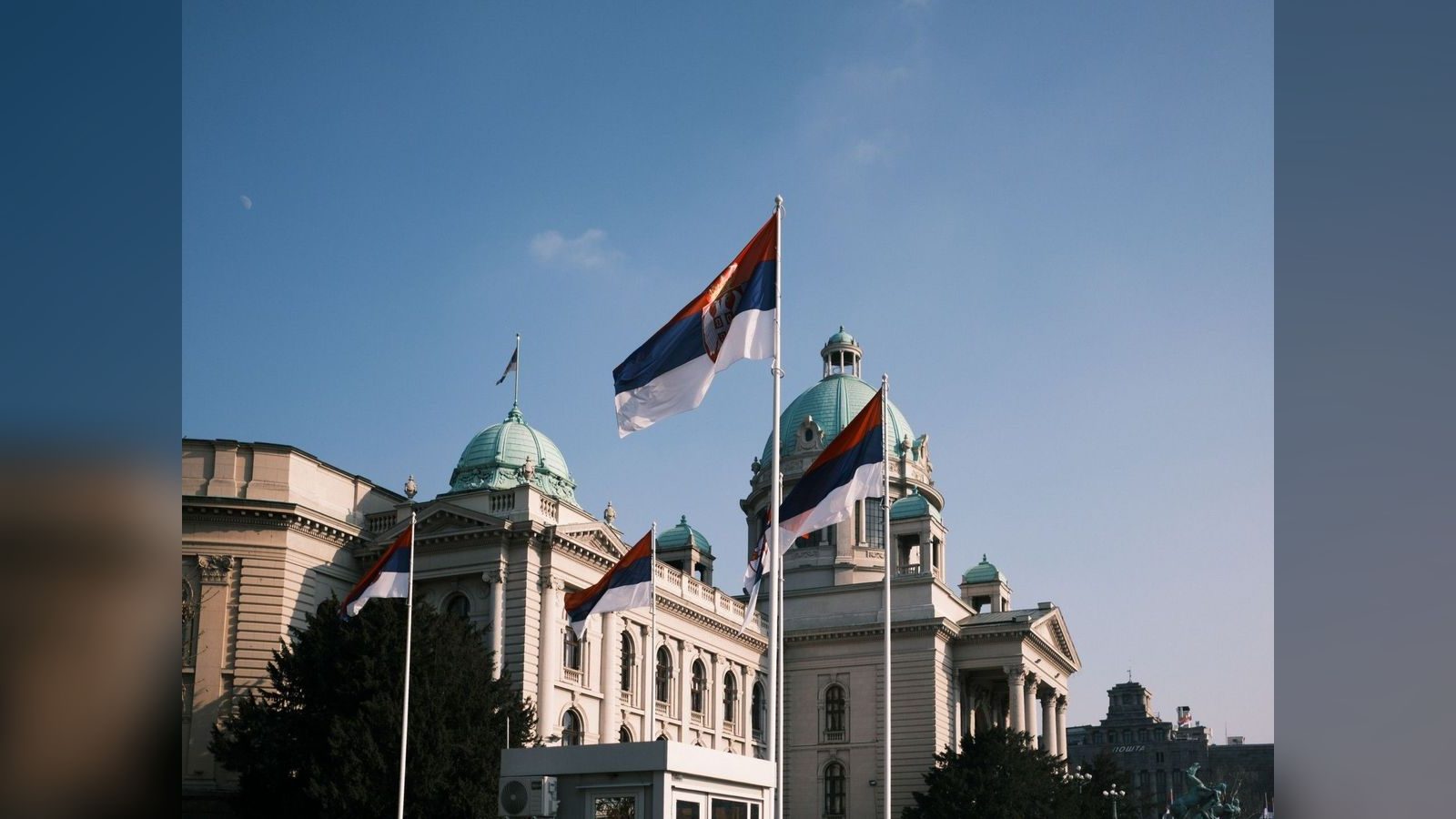
On Tuesday, 17 November 2026, Belgrade felt more like match day than the capital at work: cafés filled with people who had booked tables to watch the constituent session of the National Assembly. For many citizens the long parliamentary ritual became a moment of hope after months of protests, and venues such as the tavern "Pavle Korčagin" even offered a special "assembly" menu — coffee for seven dinars (about six cents), cappuccino for nine dinars (about eight cents) and omelettes for 150 dinars (just over one euro) — raising funds for a sick boy named Viktor.
From the streets to the benches
The atmosphere reflected a deeper change: on 25 October 2026 the Student List "Students Win" captured 140 of the 250 seats in parliament, while the list united around Aleksandar Vučić took 103 mandates and minority lists claimed the remaining seven. After 14 years of dominance by the Serbian Progressive Party, parliamentary control shifted — but the election result alone does not automatically rewrite the institutional practices built up over years.
The student movement itself crystallised after the fatal collapse of the canopy at the Novi Sad railway station in November 2024, an accident that killed 16 people and focused public attention on accountability, corruption and the safety of public structures. Two years of blockades, nationwide marches and confrontations with authorities gave rise to a political formation that deliberately avoided the usual model of a single charismatic leader.
Instead, decision‑making in the movement relied on collective plenums and nominations of candidates who had won professional standing outside the party machine: doctors, professors, economists, teachers, artists and public figures. Their principal advantage with voters was precisely that they did not belong to the traditional political class; their central test now is whether professional reputation and moral credentials can translate into effective state governance.
One of the most prominent names on the list is Ilija Srdanović, a cardiologist and full professor at the Faculty of Medicine in Novi Sad, who headed the top spot on the ballot. His CV is rooted in medicine: he graduated from the Medical Faculty in Novi Sad in 1995, completed a specialization in internal medicine six years later, a subspecialization in cardiology in 2004, earned a master's degree at the Medical Faculty in Belgrade in 2010 and a doctorate in Novi Sad in 2012. He works at the Clinic for Cardiology at the Institute for Cardiovascular Diseases of Vojvodina and is one of the founders of the Council for Resuscitation of Serbia.
Srdanović has not excluded taking the prime ministerial office, though he underlined that the Student List has multiple candidates for major posts. He listed the fight against organised crime and corruption among his priorities and said that any decision on Serbia's accession to the European Union should be taken by the citizens.
Other notable profiles include Katarina Stanković, born in 1974, an otorhinolaryngologist specialising in pediatric ENT who graduated from the Medical Faculty in Belgrade in 2000 and passed her specialist exam in 2006. Since 2005 she has worked at the Institute for the Health Protection of Mother and Child of Serbia "Dr. Vukan Čupić" and since 2014 has led the Cabinet for Endoscopic and Laser Surgery; she earned the title primarius in 2017 and represents Serbia on the board of the European Association for Pediatric Otorhinolaryngology.
The list also includes Dejan Šoškić, an economist and former governor of the National Bank of Serbia (2010–2012). A top student at the Faculty of Economics in Belgrade, Šoškić has taught domestically and abroad and has repeatedly warned about corruption, partisan staffing and weakening institutions, calling for checks on the assets of public officials and the removal of incompetent cadres.
Academia is represented further by Aleksandar Čupić, born in 1978 in Prokuplje, a docent at the Faculty of Transport, University of Belgrade. Čupić graduated in 2003 with an average grade of 9.05, completed postgraduate studies with top marks, earned a master's degree in 2007 and a doctorate in 2014, and has worked at the faculty since 2004 focusing on optimisation of logistics systems.
Now, after the euphoria in cafés and applause in Pioneer Park that sent the new deputies to the assembly, the Student List faces the harder work of governing: turning professional credibility and civic demand for accountability into laws, institutions and everyday administration that actually change how the state functions.
Photo: Pegja Vuchkovikj.