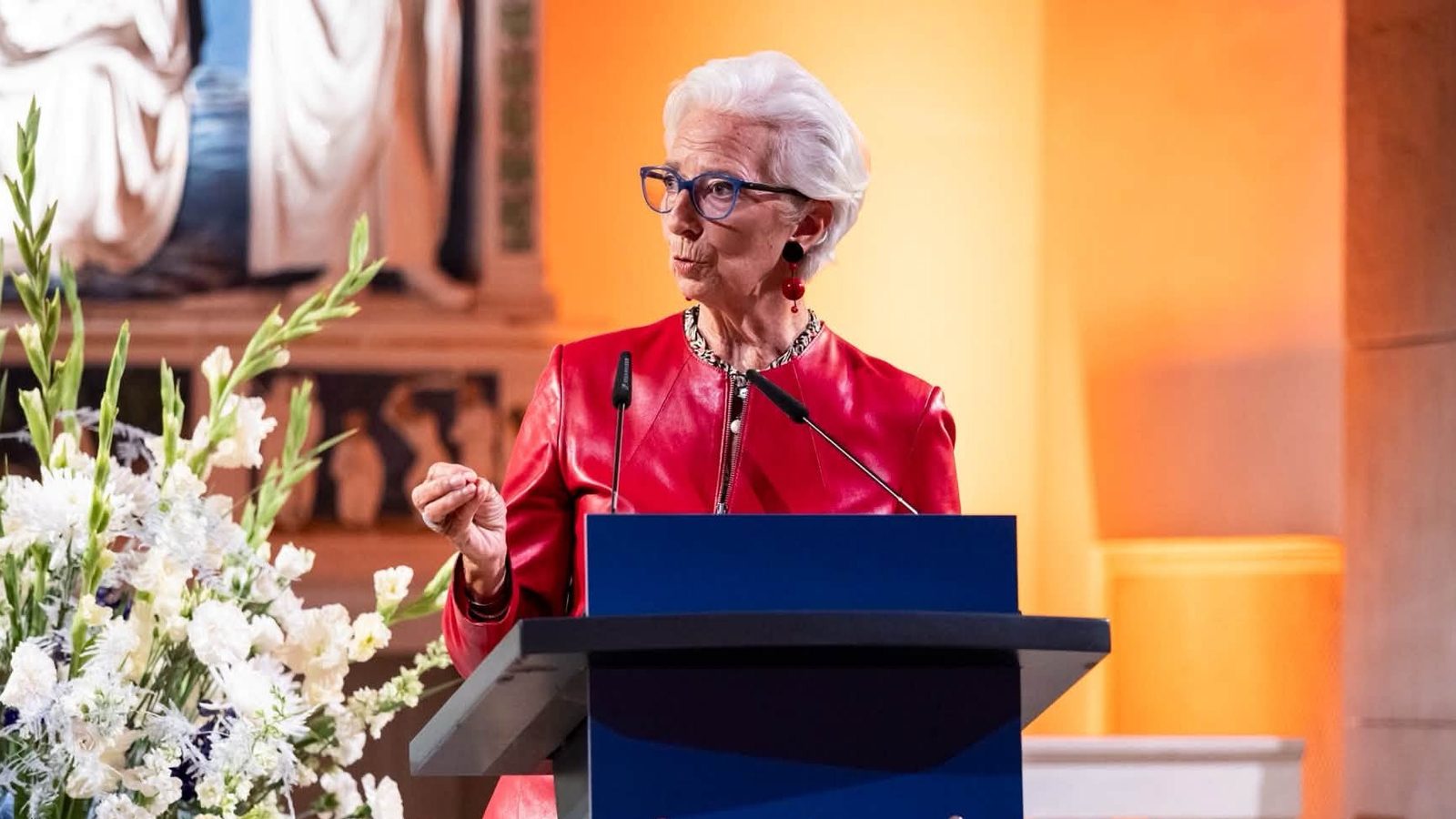
Who will succeed Frank-Walter Steinmeier — could Germany elect its first female president?
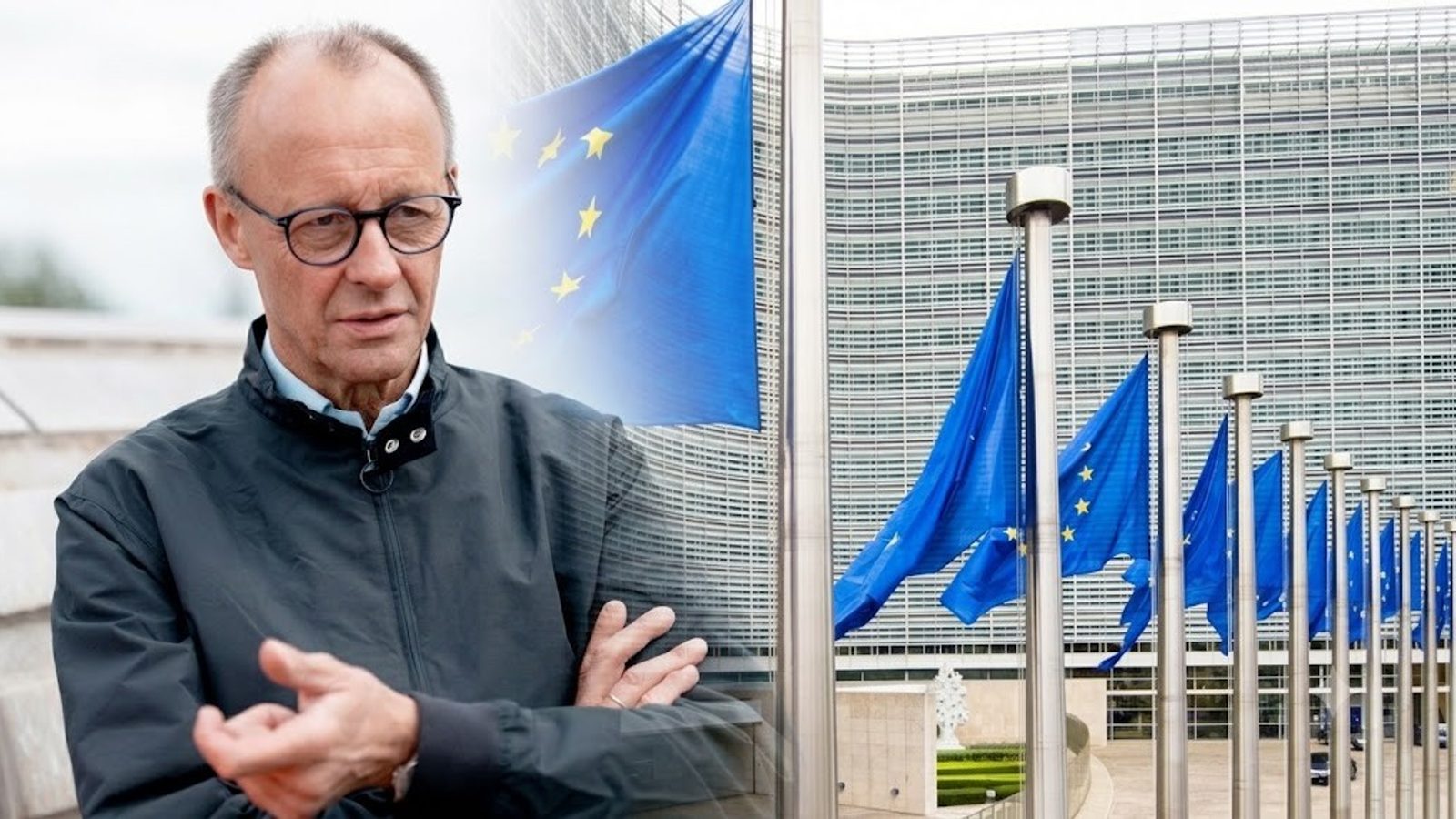
Chancellor Friedrich Merz must propose a candidate before the Federal Convention meets on 30 January 2027; several CDU/CSU names are under consideration.
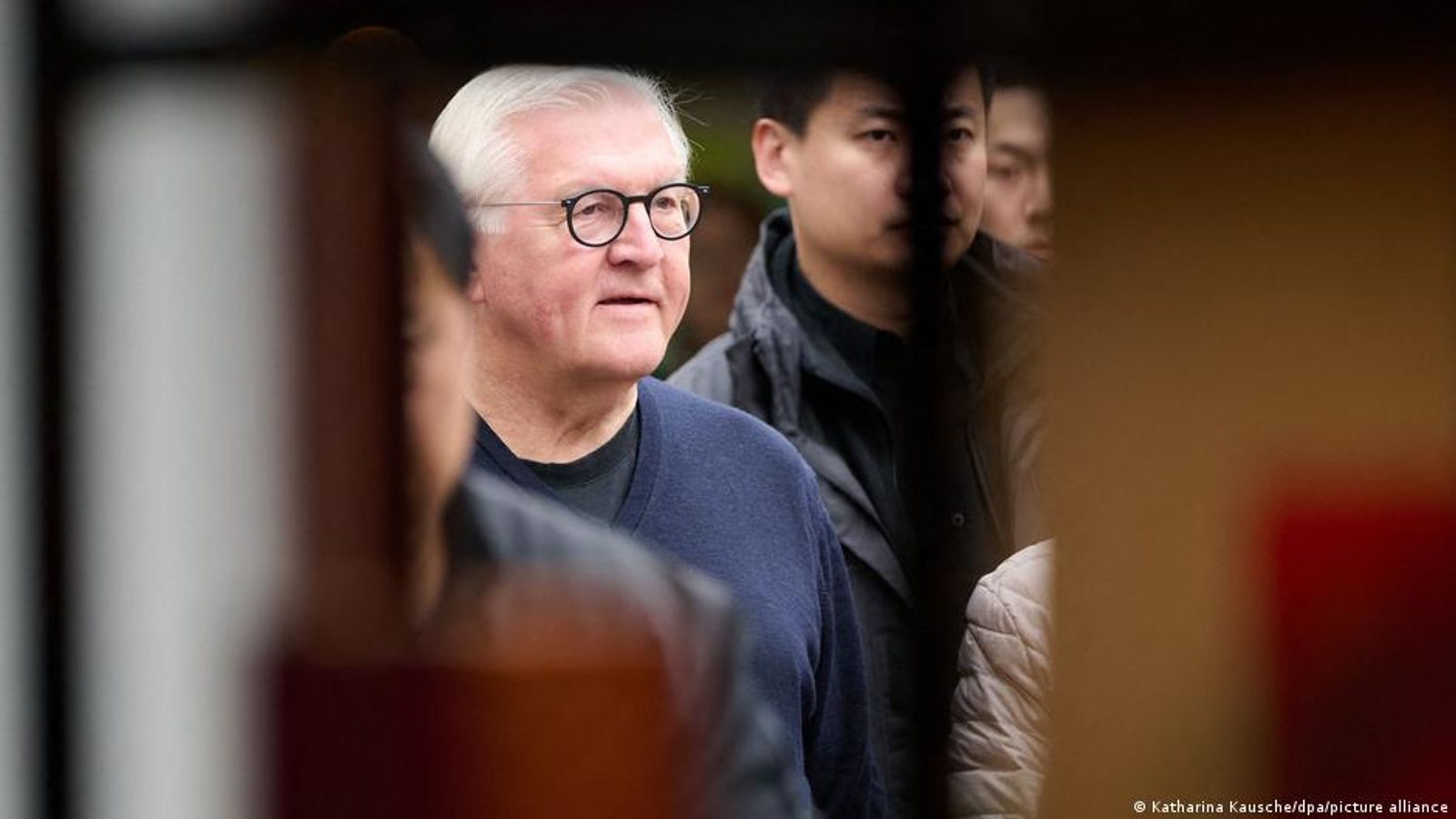
Who will replace Federal President Frank-Walter Steinmeier is fast becoming a live question in Berlin — and for many Germans the time has come for a woman to occupy the largely ceremonial but symbolically important office. The government must agree a nominee ahead of the Federal Convention that is scheduled to meet on 30 January 2027, yet no formal candidate has been put forward.
Names, numbers and a timetable
There is no official job advert, but the expectations are clear: the nominee should meet the constitutional requirements — German citizenship, voting rights and a minimum age of 40 — and be available from 30 January 2027 with an assumed start of office on 19 March 2027. Frank-Walter Steinmeier, who served two terms, is not eligible to stand again.
All eyes are on Chancellor Friedrich Merz and his CDU party; as the senior partner in the coalition with the SPD and Bavaria's CSU, the CDU/CSU bloc and the SPD together command a clear majority in the Federal Convention. The Federal Convention is made up of all 630 Bundestag members plus an equal number of delegates from the states. A candidate needs more than 631 votes to be elected. The governing alliance currently holds 682 votes in that body.
Several names have been floated. Ilse Aigner, the 61-year-old Bavarian politician who heads Bavaria's state parliament and is a former federal agriculture minister, is seen as a prominent female contender with cross-party appeal. Other potential candidates mentioned include Bundestag President Julia Klöckner, former defence minister Annegret Kramp-Karrenbauer, Education Minister Karin Prien, Hesse state premier Boris Rhein and CDU parliamentary group leader in Hesse Ines Claus.
Political scientist Ursula Münch says the likely nominee should be recognisable, balanced and able to unite: "The person should be somewhat known to the public, politically balanced, able to unite people, to build contacts with others and to be a fairly good speaker." Polling from August by the Forsa institute for RTL showed 74 percent of respondents said the president's gender did not matter; 19 percent explicitly wanted a woman and 5 percent preferred a man.
Support for Aigner stretches beyond Bavaria. Markus Söder, leader of the CSU, declared: "It would be wonderful if she became Federal President." Even opposition MPs have praised her — Matthias Miersch, head of the SPD parliamentary group, asked recently: "What are we actually waiting for? Doesn't Ilse Aigner already enjoy majority support that crosses party lines?"
Chancellor Merz has not publicly announced his choice. Government sources say the CDU will follow a clear internal procedure: CDU representative bodies will meet and the party will consult CDU and CSU leaders in the federal states, while seeking to coordinate with the SPD and the Greens so the candidacy gains broad democratic backing. Political observers say a surprise is still possible, but Ilse Aigner currently holds a slight edge.
Photo: press material from the event