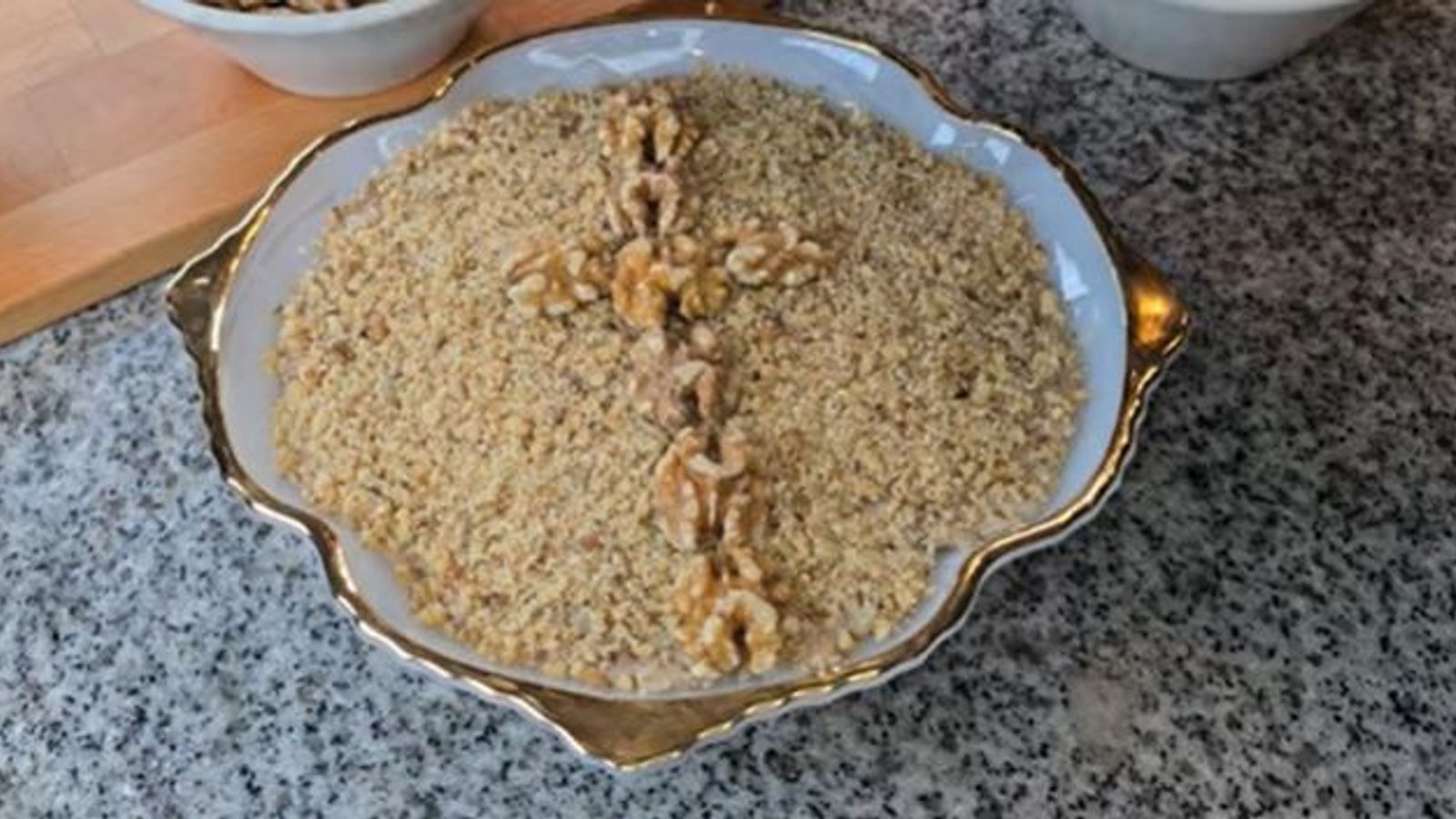
Kolivo for St. Archangel Michael — is it allowed on the slava?
Orthodox priests reject the superstition that kolivo is banned for a "living saint" and explain when and why the sweetened wheat belongs on the slava table.
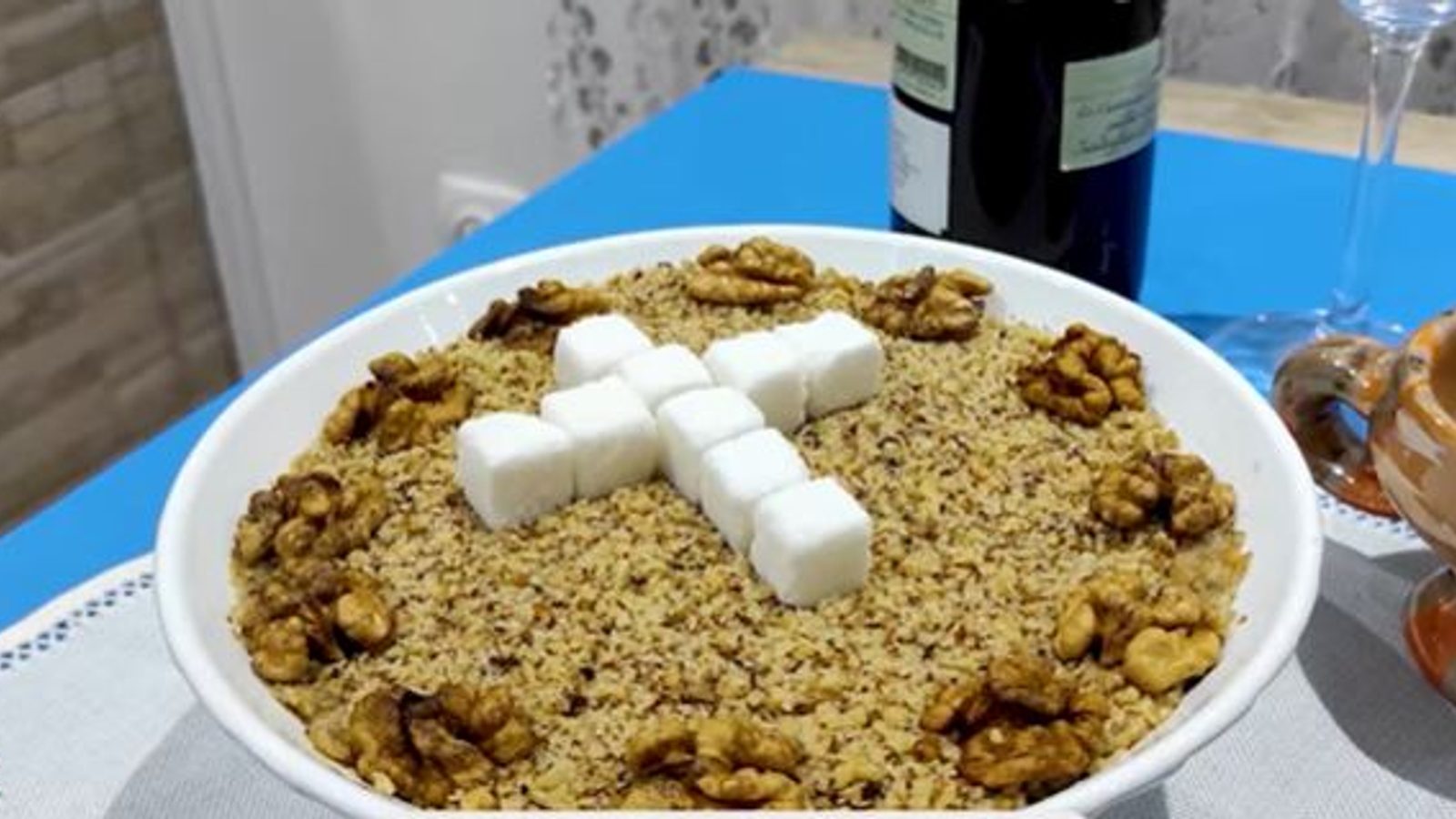
Every year ahead of 21 November, when many Macedonian families mark their house patron feast for St. Archangel Michael, the same question resurfaces: should kolivo (boiled sweetened wheat) be prepared — or, as some insist, is it "strictly forbidden"?
Popular tradition holds that Archangel Michael is a "living saint" who takes souls, and because kolivo is commonly linked to memorials and funerals, a portion of the public avoids making it on that day. Many families therefore treat the matter as a cultural taboo rather than a culinary choice.
Orthodox priests reject this view. From a theological standpoint, the custom of serving kolivo on a household slava is not a funeral rite but a symbol of resurrection: the grain that "dies" in the ground and produces new life stands for eternal life. Clergy maintain that kolivo is an integral element of the slava table, even for St. Archangel Michael.
Church practice treats kolivo as a bloodless offering presented in gratitude to God and in honour of the household's patron saint. The only time kolivo is usually omitted is when the celebration is observed solely as an individual's name day, not as a family slava. When the home slava is celebrated, priests advise that the pogacha (slavska bread), the candle, wine and kolivo all be placed on the table together.
What belongs on the table for St. Archangel Michael
The necessary items for a traditional Orthodox slava table are:
- Slavska bread (pogacha) — symbolising Christ, made with blessed water and decorated with a cross.
- Slavska candle and red wine — the candle stands for God's light; the wine poured over the bread represents Christ's sacrifice.
- A rich, non-fasting meal — because 21 November falls before the start of the Great Nativity Fast (this year on Saturday), the table is typically meat-based, with homemade pies and breads.
- Kolivo (boiled sweetened wheat) — the symbol of eternal life and family continuity, served after the blessing.
Those who hear claims that kolivo must not be prepared for St. Archangel Michael can be reminded that Orthodox tradition treats kolivo as a sacramental part of the slava, not as a memorial meal for the dead.
Traditional kolivo recipe
- 500 g wheat (clean, whole kernels)
- 150–200 g sugar
- 200 g ground walnuts
- 1 vanilla sugar packet or 1 tsp vanilla
- A pinch of cinnamon (optional)
- 100 g raisins (optional)
- Grated zest of 1 lemon
- 3–4 tbsp breadcrumbs (to help bind)
- Ground walnut, icing sugar or a small decorative cross for finishing
Basic preparation: wash the wheat thoroughly, soak it 5–6 hours or overnight, then boil gently until the kernels are completely soft (about an hour to an hour and a half). Drain and spread the cooked wheat on a clean cloth or paper towel to dry for at least 2–3 hours or preferably overnight — this step prevents the mixture from becoming mushy. Optionally grind about one third of the cooked wheat to improve binding and texture, then mix with the remaining ingredients and 2–3 tablespoons of breadcrumbs. Shape, decorate and let it set for a day or two; bring the kolivo to church with the bread on the day of the slava and eat it after the blessing.
Photo: press material from the event