Colombian president declares all criminal groups "terrorist"
Abelardo de la Espriella said his government will stop distinguishing between drug traffickers, illegal miners, extortionists and other criminal networks, signalling a sharp security shift only weeks into his term.
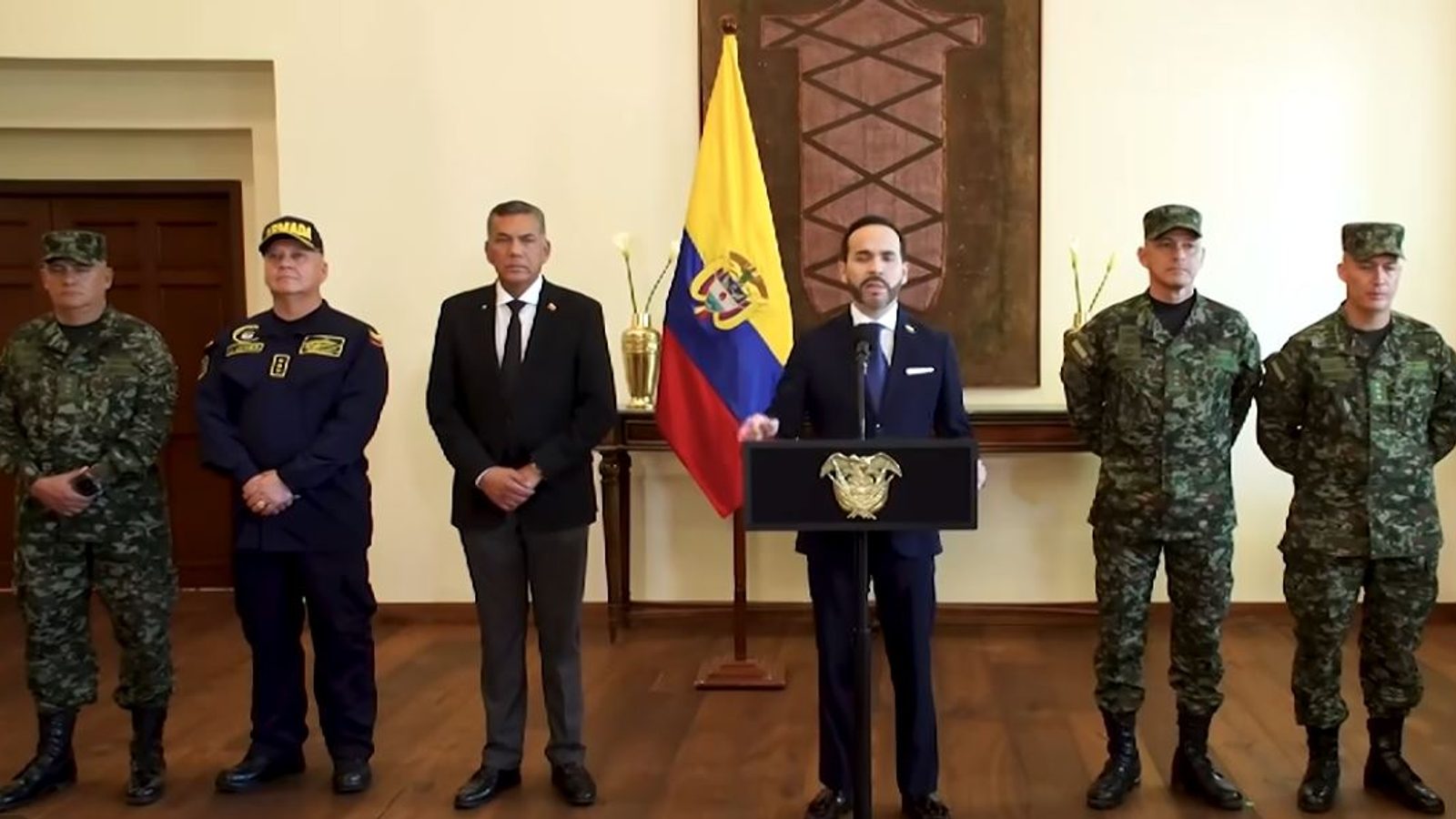
Colombian President Abelardo de la Espriella announced that his government will classify all illegal armed and criminal organizations operating in the country as terrorist groups, signalling a sharp tightening of security policy just weeks after he took office.
Speaking to participants at a security council meeting in Barranquilla, de la Espriella said his administration will stop drawing distinctions between criminal networks involved in drug trafficking, illegal mining, extortion, smuggling and other unlawful activities.
He framed the change as a uniform approach to organised crime: "We must stop treating these criminals in different ways," he said, adding that they must all be treated under a single label — as terrorist groups.
What the declaration means in practice
The president’s statement marks a rhetorical and legal shift: by labelling a broad range of criminal activity as terrorism, the government is signalling it intends to apply counterterrorism frameworks and penalties to groups previously dealt with as ordinary organised crime.
De la Espriella made the announcement only a few weeks into his term, underlining how quickly security policy will move to the top of his agenda. He did not provide detailed measures or a timetable for implementation during the Barranquilla meeting.
The declaration is likely to prompt questions about enforcement, legal definitions and the impact on communities and ongoing operations against armed groups; the government’s next steps and any proposed legal changes will determine how the new policy is applied.
Photo: press material from the event