Commission proposes Emilija Aleksovska and Djoko Dikov for Judicial Council seat
Commission voted 7–0 to propose the two lawyers; only one will be chosen at plenary.
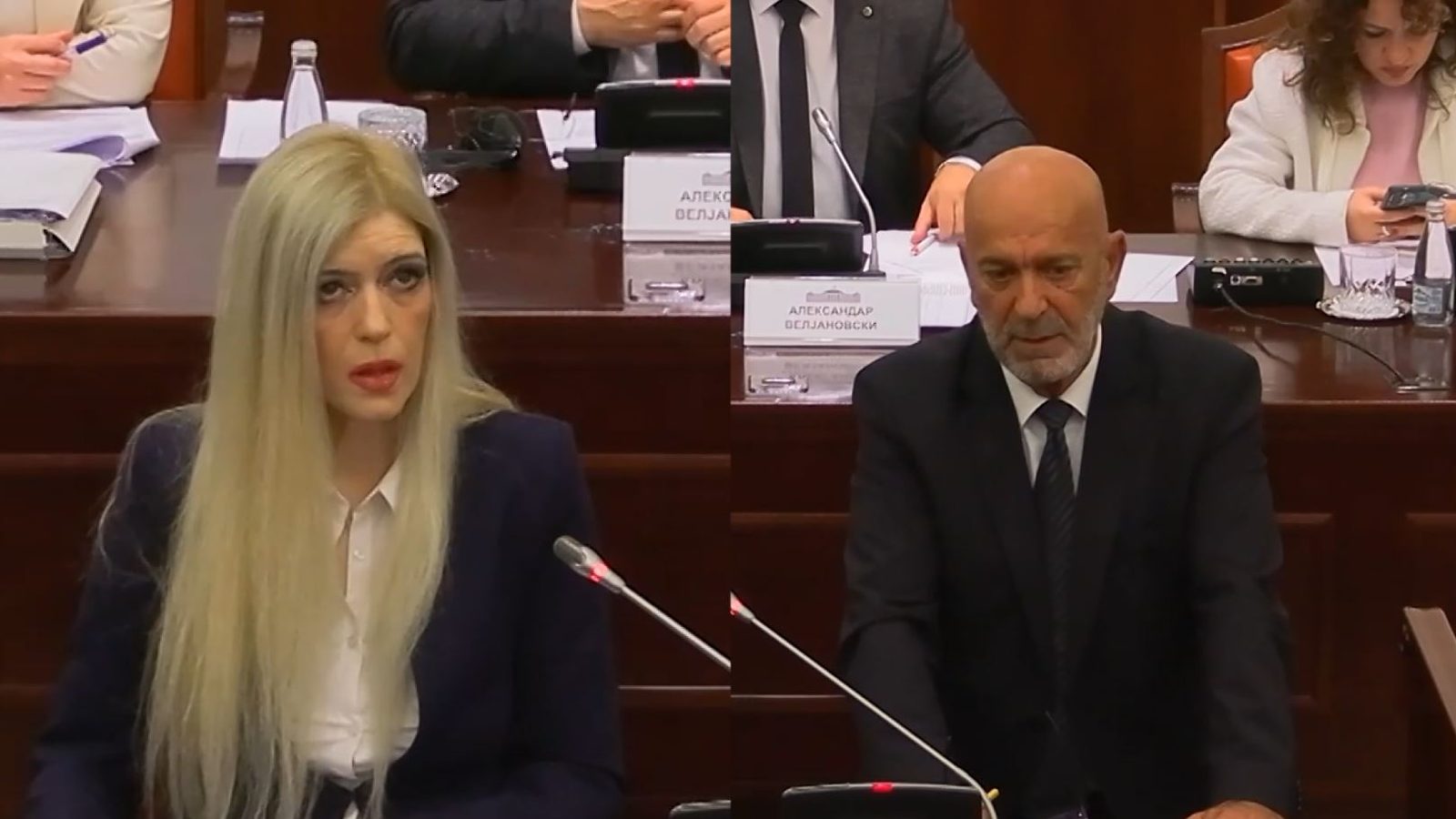
The Commission for Elections and Appointments today put forward two lawyer-candidates for the vacant seat on the Judicial Council: Emilija Aleksovska and Djoko Dikov. The commission voted 7–0 to nominate them; only one of the two will be elected at a future plenary session of the Assembly.
Scoring, social media and questions over impartiality
Both nominees reported in their applications that they are not politically active, but commissioners noted that both have social media activity aligned with the governing VMRO‑DPMNE. The top-ranked candidate was also flagged for public praise of "the prime minister of X" in online comments.
Only a written objection was submitted by Ivana Petkovska, a member of the selection commission who represented civil society in the scoring process. "From yesterday's interview with the candidates for member of the Judicial Council, the impression is that both candidates, and especially the female candidate, who has higher points on the ranking list, did not offer sufficiently concrete and argued answers that would confirm her readiness to be a member of the Judicial Council. The female candidate on most questions answered partially or avoided the substantive aspects, especially regarding her public comments on posts of political officials and questions about her integrity," Petkovska wrote.
According to the scoring breakdown, Emilija Aleksovska leads Djoko Dikov by only five average points. Aleksandar Veljanovski, an MP from VMRO‑DPMNE and chair of the selection commission, gave Aleksovska 100 out of 100 points. Judge Sanja Lazova Stojanova from the Skopje Criminal Court awarded her five points fewer, and Valjbona Adili Emini, the MP from VREDA, gave her 90 points. The second‑ranked candidate received roughly half of those points from the same commission members.
This is the fourth attempt to fill the vacant seat on the Judicial Council. Three previous rounds failed: one proposal named a police inspector; another candidate concealed that he had been dismissed as a judge; and in a third round the Assembly issued a new vacancy notice instead of selecting a member. Under recent legal changes the selection is public and, in addition to MPs, representatives of civic associations vote. The Judicial Council oversees the work of judges in the country.
Photo: press material from the event