Chamber of Experts marks two years and issues 1,072 permanent licences
Viktor Kamnar opened the Chamber assembly in Gevgelija and outlined training, new tariff rules and the Civil Procedure Law effective January 1, 2027.

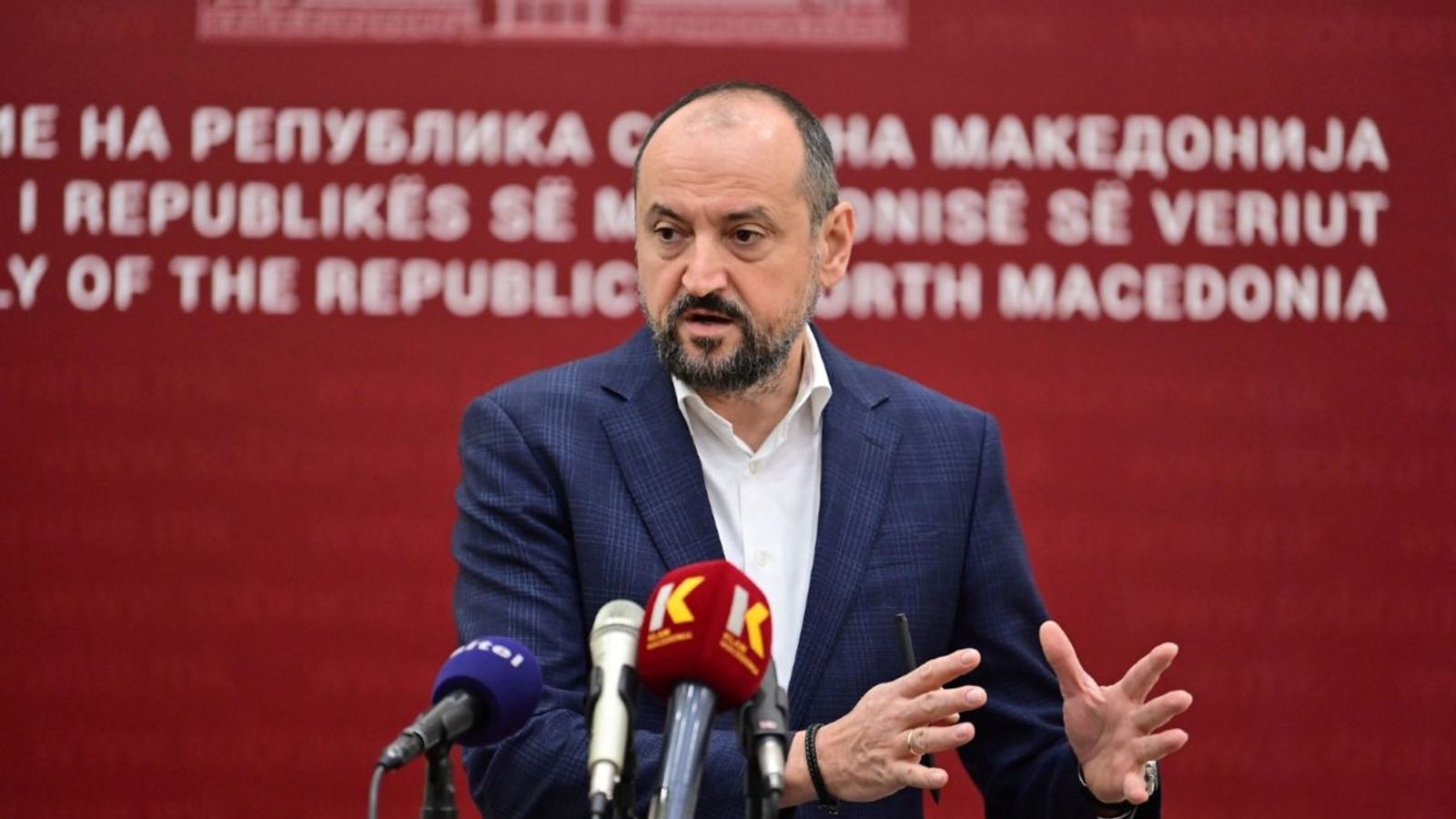
The Chamber of Experts marked its second anniversary on 25 November 2026 with a ceremonial assembly in Gevgelija, where chairman Viktor Kamnar reviewed the institution’s work to date and outlined upcoming activities.
Two years, expanded membership and new rules
Kamnar told attendees that the body has moved from a fragile start to a functioning self-sustained institution. “In the summer of 2024 a small number of enthusiasts tried to devise an implementation of the Law on Expertise that was not being applied even though it had been adopted more than a year earlier, with contributions from each one of us. Most of the licences of existing experts had expired, and there was no legal possibility for their renewal. All of this today, after two years, has been overcome and we have a completely different situation in the field of expertise,” Kamnar said.
He said the Chamber has secured premises for its headquarters, adopted all legally required acts within a month, and organised four initial trainings for expert candidates attended by over 750 participants. Kamnar added that the Chamber has enrolled a total of 1,072 new members — experts holding permanent licences for expert work — and has been actively involved in drafting a revised Law on Expertise after flagging impractical provisions of the existing statute.
Kamnar also emphasised the limited human resources behind these results, noting the Chamber carried out its two-year activity “flawlessly, with only one employee and one external collaborator.” He thanked representatives of doctors, engineers, architects, economists and ministers in the Government for their support and trust.
Deputy Minister of Justice Alen Dereban commented on a new fee schedule for expert work, saying: “With it the criteria for setting the prices of expertise are strengthened, clearer and more transparent rules are established. It is especially important that citizens will gain greater predictability and will know in advance how much expenses they will have for the preparation of a particular expertise. That means greater transparency, legal certainty and equal access in determining fees. This will strengthen the efficiency of the judiciary and reduce the burden of costs borne by citizens as parties in those proceedings,” Dereban said.
The assembly also noted that the new Civil Procedure Law will enter into force on January 1, 2027. Vice‑Prime Minister Aleksandar Nikoloski addressed the gathering and received a certificate of appreciation from the Chamber. Certificates were also presented to Deputy Minister Dereban, judges Tanja Mileva and Sofija Milenkova, a representative of the Judicial Council and Subhi Jakupi, president of the Administrative Court.
Photo: press material from the event