Marta Kos: Glorifying war criminals is incompatible with European values
The EU Commissioner for Enlargement spoke in Strasbourg after Ratko Mladić’s funeral, urging Serbia to pursue genuine reconciliation.
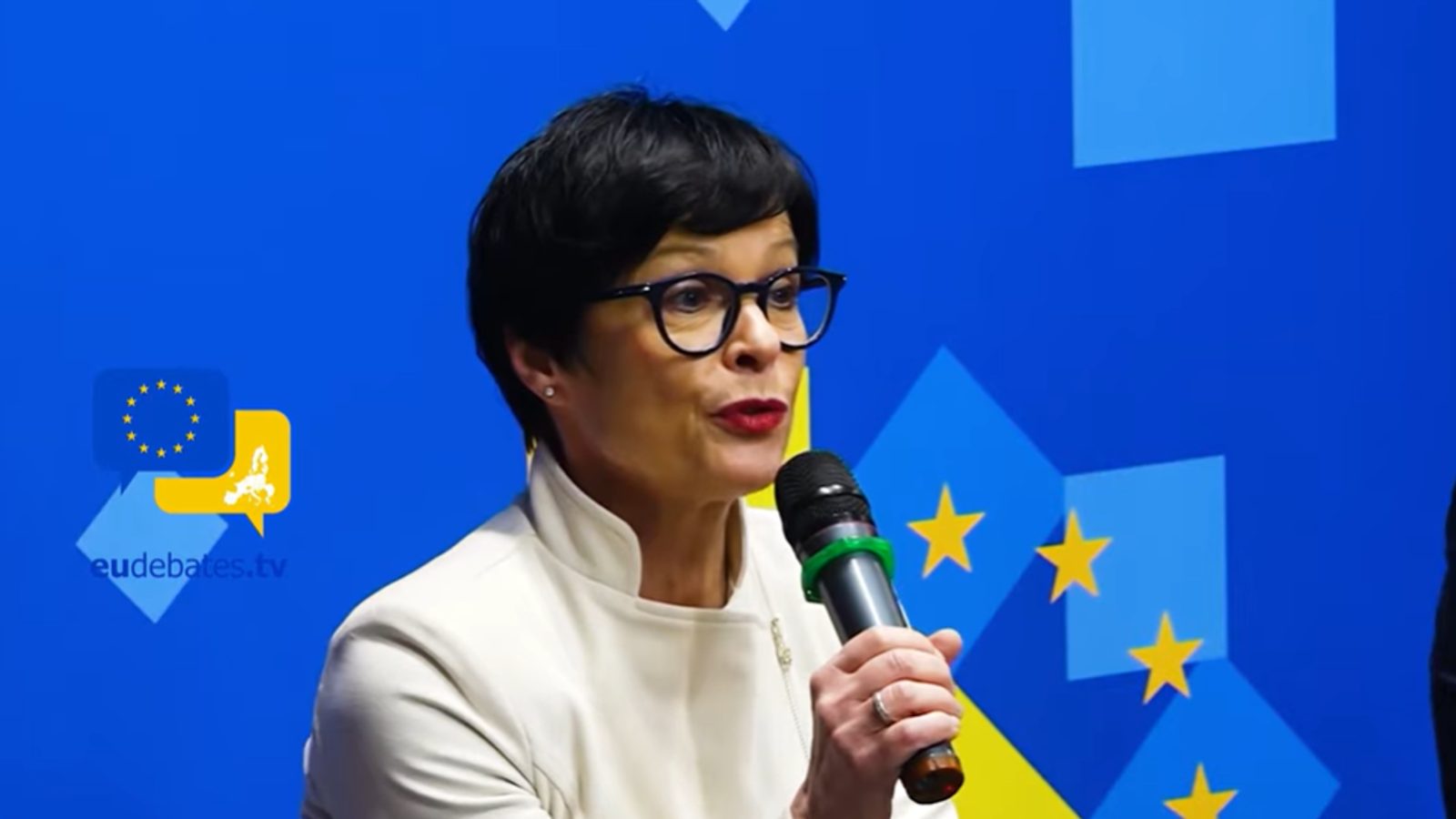
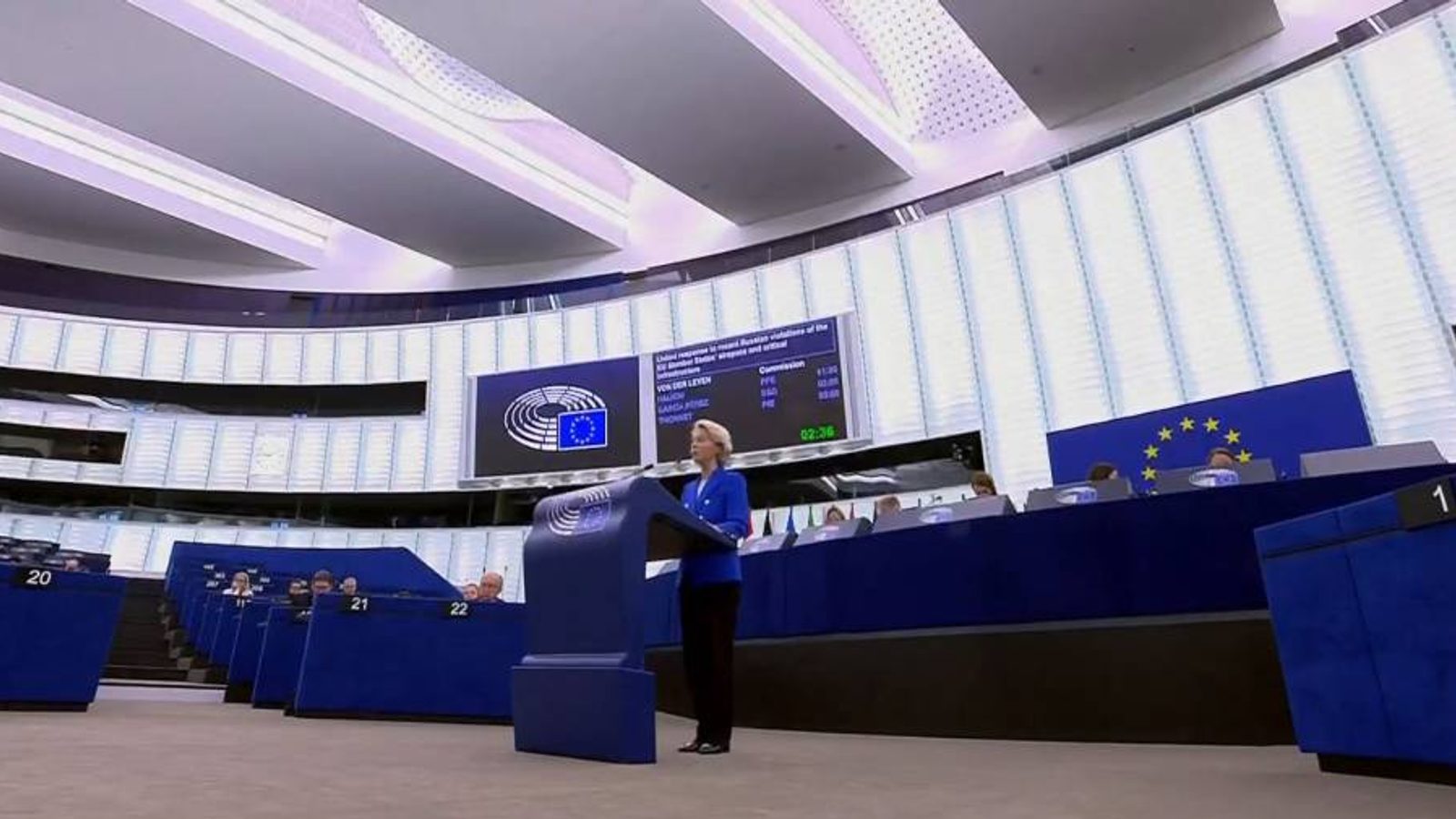
EU Commissioner for Enlargement Marta Kos told a plenary session of the European Parliament in Strasbourg that footage from Ratko Mladić’s funeral in Belgrade was deeply disturbing and demonstrated a failure to confront the past, behaviour she said clashes with the core values of European integration.
Kos singled out the public presence at the funeral of Serbian ministers, state officials and military representatives together with leaders from Republika Srpska, and urged Serbian authorities to begin a genuine process of reconciliation. She stressed that the European Commission has been clear that "the glorification of war criminals, denial of genocide and revisionism are fundamentally incompatible with European values."
Responses from other MEPs
During the debate, Croatian MEP Davor Ivo Stier (European People’s Party) said there is no place in the European family for those who praise the politics of Mladić and Milošević and added that European funds should not go to actors who do not distance themselves from that past. Tonyino Picula, the European Parliament rapporteur for Serbia, described the organisation of the funeral as another example of Belgrade’s unacceptable attitude toward crimes of the recent past and as a sign of the direction in which Serbia is heading today.
On the other side of the chamber, Bulgarian MEP Petar Volgin, representing the group "Europe of the Sovereign Nations," accused Brussels and the EU of double standards, saying European officials reacted to the funeral in Belgrade but had shown no reaction to similar events in Kyiv.
Facts recalled
Ratko Mladić died on 27 August in a prison in The Hague while serving a life sentence for genocide and crimes against humanity. He was buried on 7 September at Topčider cemetery in Belgrade with military honours and in the presence of thousands of supporters; the funeral service was led by Serbian Patriarch Porfirije.
The massacre in Srebrenica in July 1995 saw around 8,000 Bosnian Muslim men and boys killed by Bosnian Serb forces — a crime that was judged to be genocide by the International Criminal Tribunal in The Hague. In 2024 the UN General Assembly adopted a resolution that designated 11 July as the International Day of Remembrance for the Srebrenica genocide and also condemned the glorification of persons convicted of war crimes.
Photo: press material from the event