Discrimination found after Skopje panel cut blind man’s allowance
Commission for Prevention and Protection from Discrimination found three doctors discriminated by lowering a blind man’s monthly aid and ordering repeat checks.
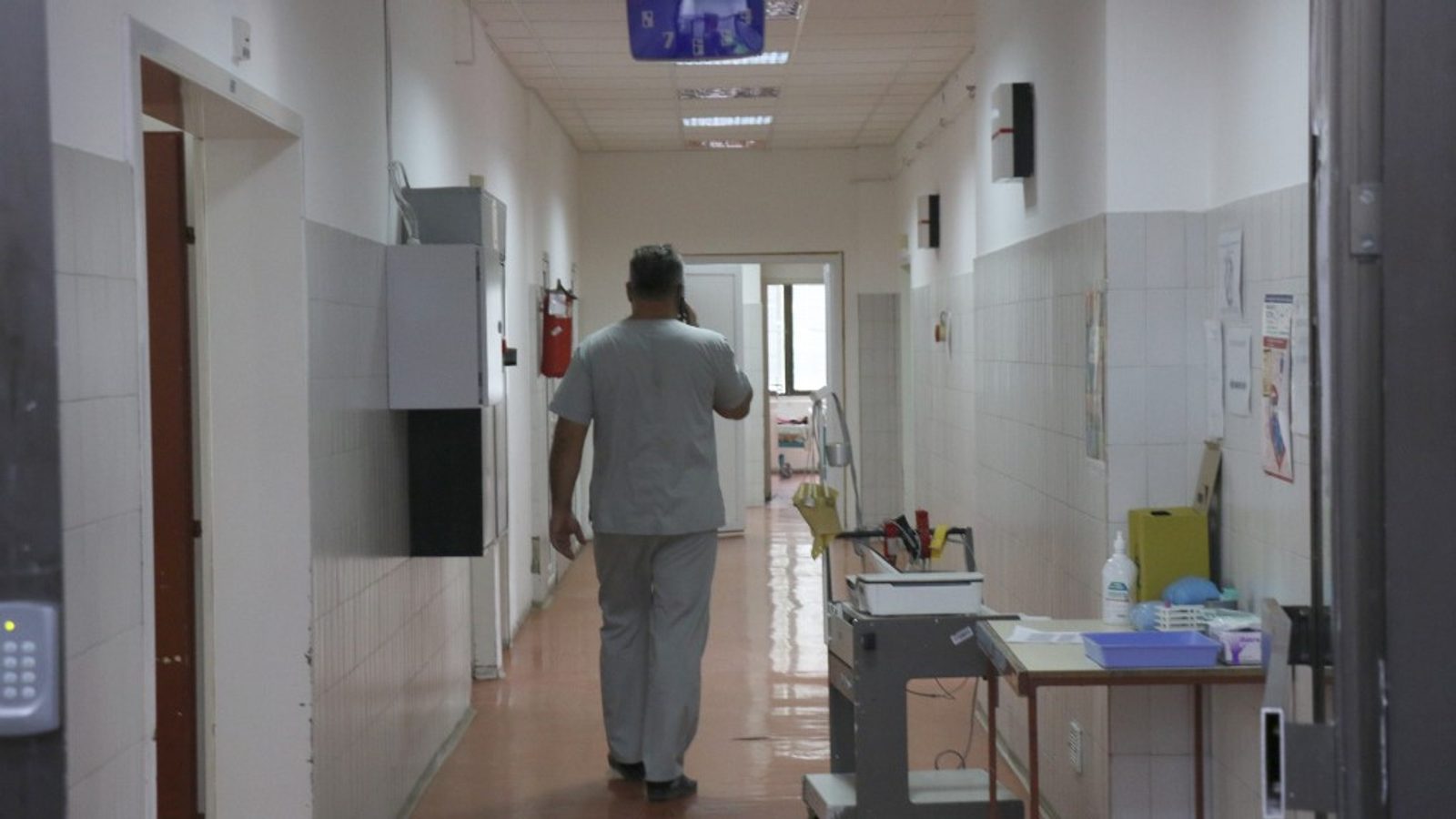
An expert panel at a public health institution in Skopje repeatedly required a completely blind man to come for examinations despite his permanent condition, and the panel recommended a cut to his monthly allowance from 6.342 to 5.610 denars, a decision later found to be discriminatory.
Commission finds direct discrimination
The man filed a complaint with the Commission for Prevention and Protection from Discrimination on 12 June. In September the commission issued an opinion concluding that three specialist doctors who sit on the expert panel committed direct discrimination on the basis of disability when they proposed lowering his cash assistance.
The three specialists reassigned the man to a lower level of required care, replacing the previous assessment that he needed a larger scope of assistance because his total blindness is permanent and untreatable. The complainant said he felt discriminated against because other completely blind people with the same diagnosis — including his wife — have received monthly assistance for over 30 years without being summoned for repeated control examinations.
Article 49 of the Law on Health Protection states that a completely blind person requires a larger scope of assistance and care from another person because they cannot independently perform basic daily activities, move safely inside or outside the home even with orthopedic aids, feed, dress, maintain personal hygiene, or attend to basic physiological needs.
The discrimination commission recommended that the public health institution, through its expert commission, carry out a new assessment of the affected blind person in line with the Law on Health Protection. It also urged the panel to reconsider whether a repeat control examination is necessary given the permanent nature of the applicant's condition.
Advocates and rights institutions note this case fits a broader pattern: administrative procedures now force many seriously ill or immobile people into extra steps that make it harder for them to obtain or keep entitlements. In recent years, patients have complained that they must personally deliver approved decisions to social work centres, and many who cannot do so give up legally entitled monthly help.
On 30 September Minister of Health Sasho Klekovski said regulatory changes are being prepared to alter how commissions operate. One proposal under consideration is to allow the commissions direct access to medical records via the "Moj Termin" system instead of requiring citizens to collect and transport documents between institutions.
"The data already exist in the system. The data should travel, not the patient," Klekovski said, without specifying when the changes will take effect. He added that every application for care or mobility support represents a person with a serious health condition and a family that cares for them, and that extra confirmations and waiting impose an additional burden.
Photo: press material from the event